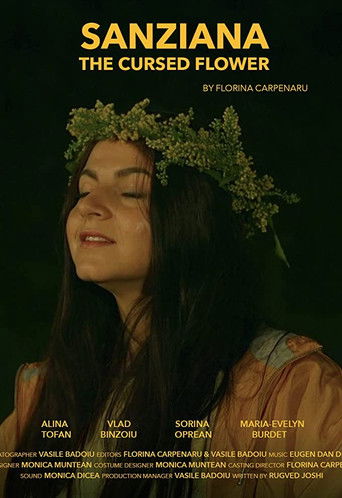
The Cursed Flower 2019
While traveling to Maramures, Sara comes across Doina who offers her to stay at her place. They both have a glass of wine when they start hearing sounds of people dancing from the forest.
While traveling to Maramures, Sara comes across Doina who offers her to stay at her place. They both have a glass of wine when they start hearing sounds of people dancing from the forest.
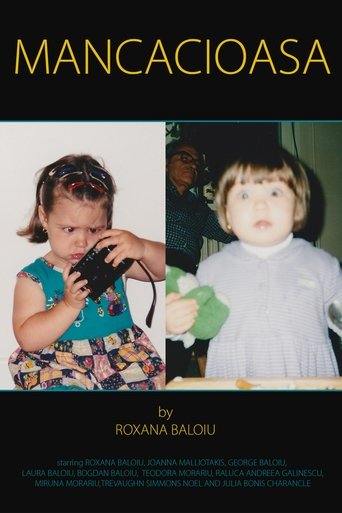
A film presenting the evolution of a child who likes to eat and the way family and friends speak to her over the years. Mancacioasa is a very personal found footage student film that explores the psychological effects of "Fat Shaming".
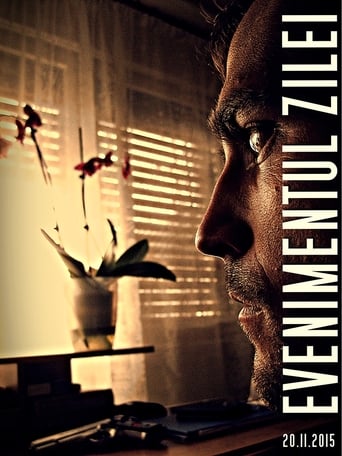
A man is faced with the consequences of a short moment of inattention.
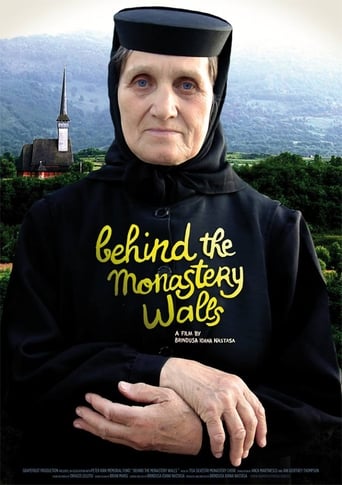
The monastery is the sacred home of God, but also home to the nuns and monks who have dedicated their lives to God. Romania’s monasteries are known worldwide for their magnificent beauty, but what do we know about the people that live there? How different is the life they lead? How different is the way they see the world? Behind the Monastery Walls presents a selection of intimate and inspiring interviews in which nuns and monks in Romanian monasteries lay bare their thoughts and beliefs.
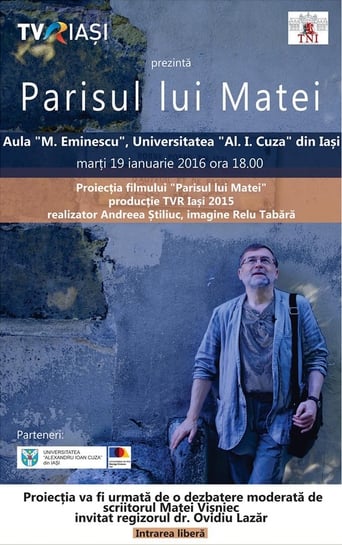
Matei Vişniec is considered to be the most important contemporary Romanian playwright. His plays are translated into more than 20 languages and are played in over 50 countries. At the invitation of the writer, a TVR Iasi team, made up of journalist Andreea Ştiliuc and cameraman Relu Tabără, was this documentary filmed in July in France.
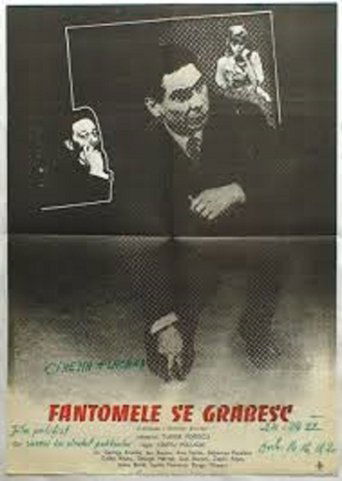
Following the death of his wife, a father is trying to take care of his daughter, amidst a murder mystery which concerns both of them.
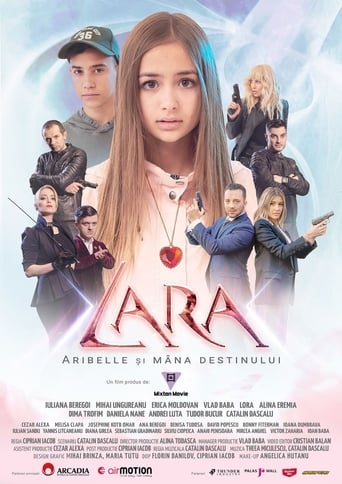
Aribelle (Ari) is an amnesiac teenage girl stranded in a dangerous metropolis, Lost City, with only the clothes on her back and a heart-shaped locket. She meets Hugo, a very resourceful orphan kid who becomes her best friend. In a rather amusing situation Ari borrows the name Lara because he can't remember her real name. The action takes place in two cities, Capital City and Lost City, before the accident and after the accident in which Lara loses her memory and ends up in Lost City. The two, Lara and Hugo go through all sorts of adventures and end up at the city orphanage. Fausta, the director of the orphanage, is truly evil and has her own plans for Lara and Hugo.

Professor Ioan-Matei Agapi, an 80-year-old photographer and cameraman from Iași, Romania, owns a unique collection of 16mm films and photographs documenting almost fifty years of the city’s history. His daughter, also a filmmaker, has decided to make a film about her father's archives. In the unconventional surroundings of his old apartment, he reminisces about the past until one day, Ioan is informed that he must leave or be evicted from the apartment where he has spent the past 40 years. Ioan’s years of work suddenly transform into a huge burden, and the film unexpectedly changes into drama in which conflicts with city officials reveal old and hidden conflicts within the family.
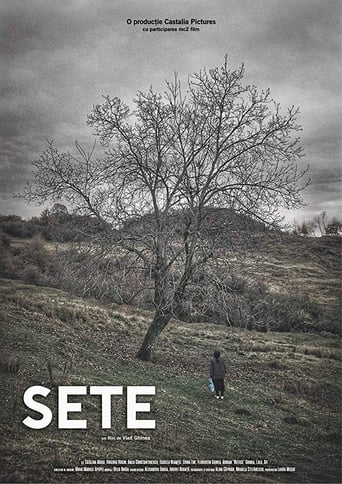
On Saint Andrew's day, Safta leaves the comfort of her home to find the veterinary doctor who could help her save the family cow. Safta's plans change when a bizarre encounter forces her to face her past.

Animation short.
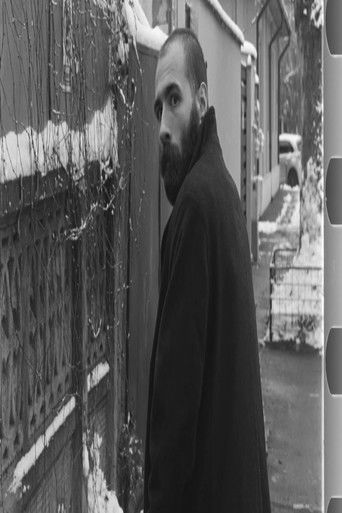
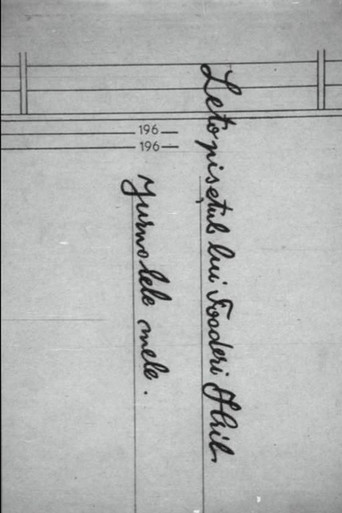
By the time Slavomir Popovici filmed this documentary, his protagonist was already famous for the museum of history and folk art he had established in his house in Arbore village. His museum was visited by thousands of tourists each year, while the journals that he had kept for four decades had been published in 1972 as The Chronicle from Arbore. Hrib was a peasant autodidact from Bucovina, North Romania. Although he was an eccentric, he was also the perfect film protagonist for 1970s Romanian documentary.
Armed with a gun he finds thrown in the corner of the block of flats where he lives, Nae sets off on a nocturnal adventure through the city. Influenced by his cinephile imagination, the reality of the almost deserted streets merges with a noir drama atmosphere he obsessively watches. Projected into the grey landscape of Bucharest in the late 1990s, the tragic and absurd action of Cristian Lucian Dobrovicescu's short film is cut out and stylized in the manner of comics.
In order to cure his patients, a doctor makes a show using mad people, presented to other mad people. From innocent games, the show gradually leads to unsetting occurences.
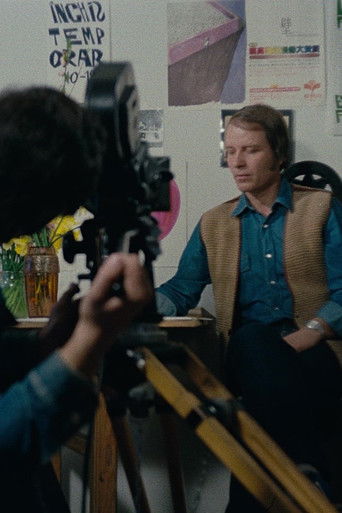
A portrait of the caricaturist Mihai Stănescu, the film is not a conventional documentary, as it resorts to small comic scenes that highlight the playful personality of the plastic artist. "Antiinterviu" contains a prologue conceived in the aesthetics of silent comedies, with a little boy who scribbles on any surface he finds, from the walls of buildings to the clothes of citizens standing in line at the Alimentara, being chased and pulled by the ears by police officers and other adults around him for his disobedience. The defiant attitude of Mihai Stănescu, known at the time for his caricatures with political allusions, also appears to have a mischievous dimension.
The film begins as a cultural reportage of the most conventional kind, with a series of frames filmed around Peleș Castle, set to classical music and accompanied by a commentary describing the museum's ceramic collection. What is surprising in this construction is the unusual effect that the natural setting, chosen as the original backdrop of the presentation, has on the exhibits. Removed from the museum and displayed outdoors, the objects fail to resonate with nature and stand out like anomalies in the wintery, postcard-like landscape. But the romantic surplus of Chopin's music, which is added to the increasingly abstract visual compositions, with vases, trinkets and precious tableware fancifully placed in the water of a stream and among snowy fir trees, represents an at least extravagant attempt to deviate from the aesthetic norm.

