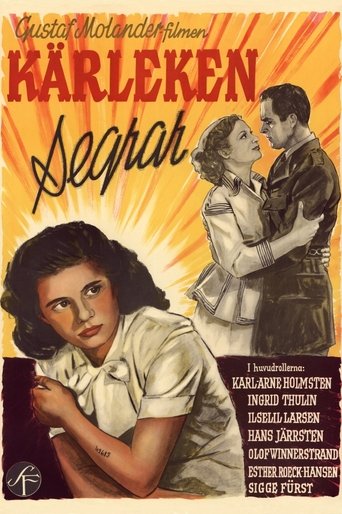
Love Wins Out 1949
The year is 1946. Dr. Bertil Burman works at a Red Cross Hospital in Vienna. One day, a barely teenage girl, Leni Rosner, collapses at his reception.
The year is 1946. Dr. Bertil Burman works at a Red Cross Hospital in Vienna. One day, a barely teenage girl, Leni Rosner, collapses at his reception.

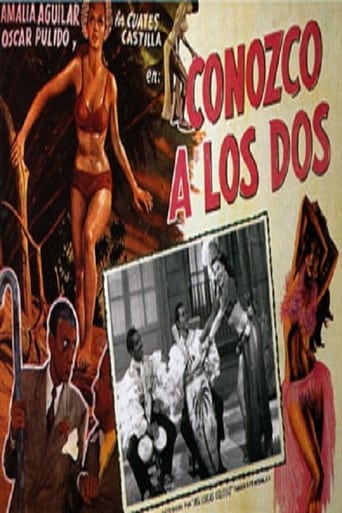
Twin brothers separated at birth accidentally meet each other 25 years later. Girlfriends and coworkers are confounded, wacky hijinks!
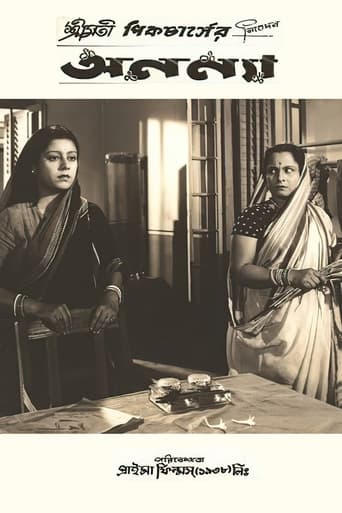
A Bengali Drama Film directed by Sabyasachi (Ajoy Kar & Binoy Chattopadhyay).
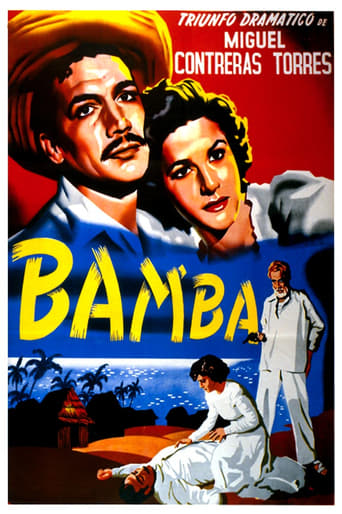

A 1949 Bengali Drama Film directed by Niren Lahiri.
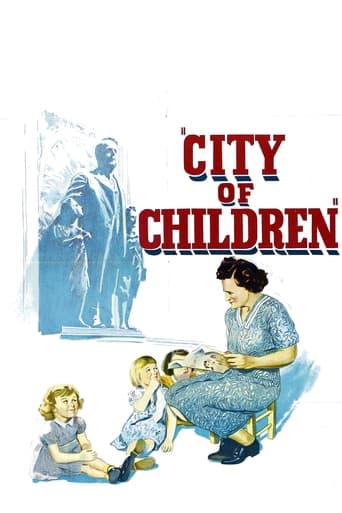
This final John Nesbitt's Passing Parade series short looks at a community, Mooseheart, in Illinois that orphaned children call home.

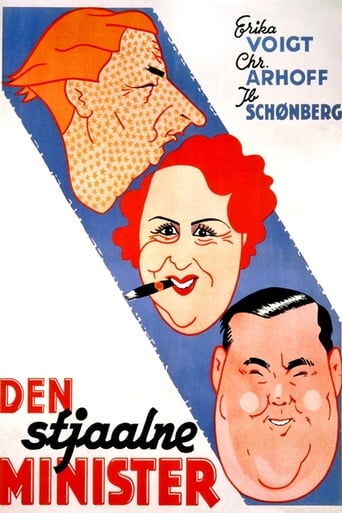
The story is about a student named Peder Pedersen, who has tried to pass his law degree exam the max number of times without success. He hasn't been able to make anything concrete out of his 7-year engagement to a young lady either, because he's way too into anything detective-related. In all other areas, he is extremely distracted.
"They’re not so very different from our own people, are they?" A sensitive depiction of European workers in the UK.
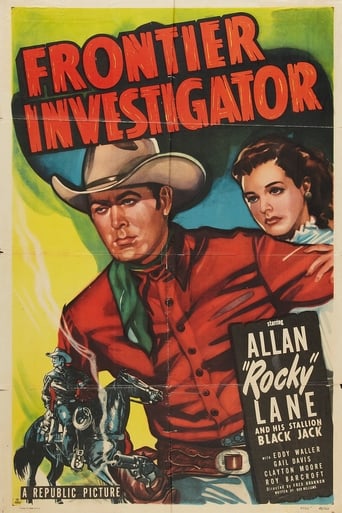
Rocky Lane, out to find the murderer of his brother, runs into a battle between two stage lines for a mail contract.
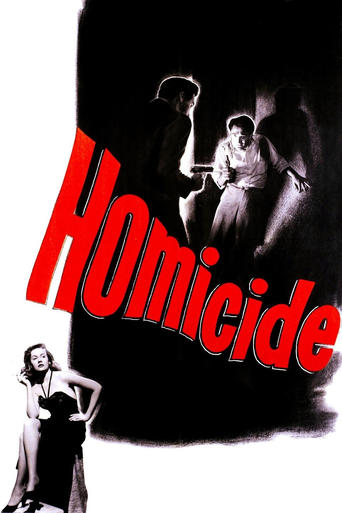
Michael Landers, a police lieutenant, sets out to investigate an intricate murder case. But, the case is closed after the only witness is found dead. Will Michael be able to fathom the mystery?
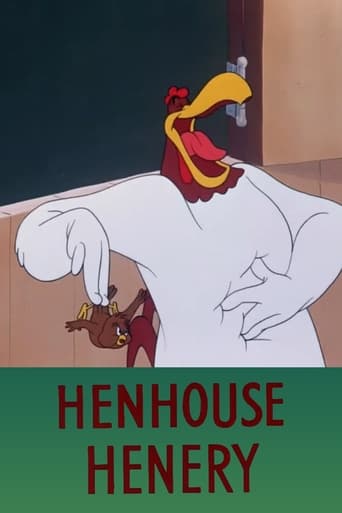
Little Henery the Chicken Hawk goes hunting chickens with a hammer and clunks Foghorn Leghorn on the noggin. Foghorn sends Henery after the barnyard dog by misleading him into thinking the dog is a chicken. The dog sets Henery straight and helps him build a tree trap to catch Foggy for supper.
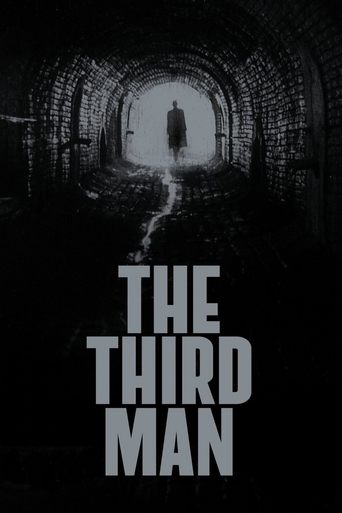
In postwar Vienna, Austria, Holly Martins, a writer of pulp Westerns, arrives penniless as a guest of his childhood chum Harry Lime, only to learn he has died. Martins develops a conspiracy theory after learning of a "third man" present at the time of Harry's death, running into interference from British officer Major Calloway, and falling head-over-heels for Harry's grief-stricken lover, Anna.
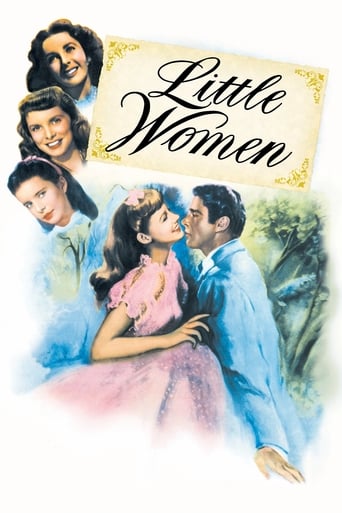
Four sisters come of age in America in the aftermath of the Civil War.
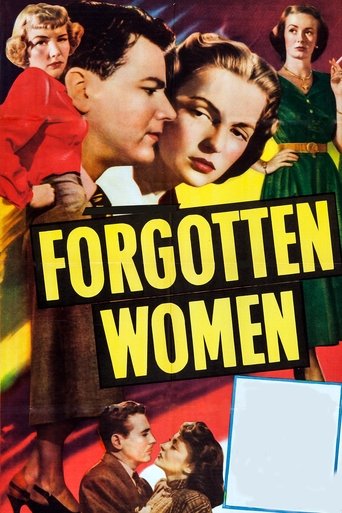
A tale of three women who hang out in a bar and bend the ear of Harry the bartender. Kate Allison drinks to forget playboy Andy Emerson, whom she might have married if her husband, John Allison hadn't come home before the divorce was final, which is no big deal as actors Norris and Douglas were pretty much interchangeable anyway; Ruth Marshall is reunited with husband Richard Marshall on the pleas of their son in the divorce court of Judge Donnell; and Clair Dunning makes up with husband Bill Dunning after they meet in the bar. Most of what passes for action is a couple of car wrecks, understandable considering the amount of sauce consumed in Harry's bar.
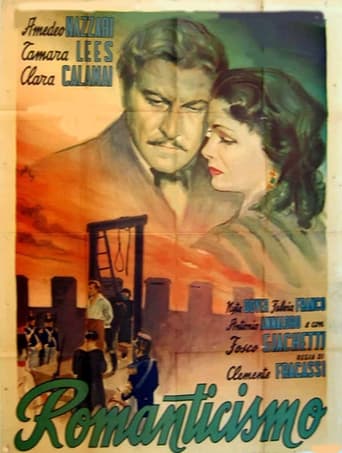
Drama set in Milan in 1858. Dr. Antonio Ansperti from Como, implicated in the clandestine activities of the Young Italy revolutionary movement, is arrested by the Austrian authorities. After a trial he is sentenced to death and executed, in spite of efforts by his countryman Count Lamberti to intervene on his behalf with the Governor of Milan.
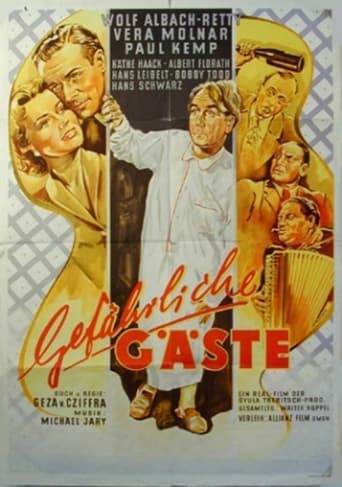
The playboy Peter Anders is financially bankrupt, so he puts up his villa for sale. But during this time, 3 harmless gangsters, Franz, August, and Poldi, settled in Anders’s estate to try to sell the villa on their behalf.
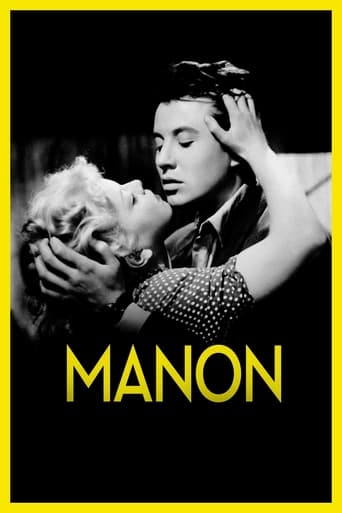
Port of Marseille, France, recently liberated from the German yoke. Caught as stowaways aboard a ship, Manon, a young woman who was accused of collaborating with the Nazis, and Robert, a freedom fighter who saved her from reprisals, tell the captain about the many challenges they have had to face in order to survive.
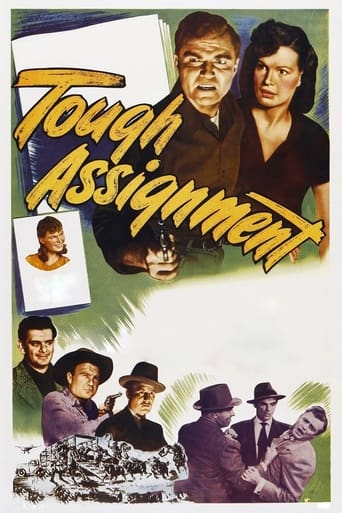
A meddlesome reporter sporting a young bride takes on a gang of modern day cattle rustlers. Donald "Red" Barry plays Dan Reilly, a newspaper reporter just returned to LA with his wife, photographer Margie (Marjorie Steele). Margie insists on taking pictures of everywhere they go, and so as she's walking into a butcher shop she poses for Dan - while at the same time three thugs make their way quickly out after beating up the proprietors. Soon Margie and Dan are involved in investigating an illegal meat operation that rustles cattle and forces butchers to buy it - or else. Dan gets beaten up a couple of times, but is undaunted in pursuing the great story - and hey, he's only got 64 minutes to do so, he'd best get cracking!
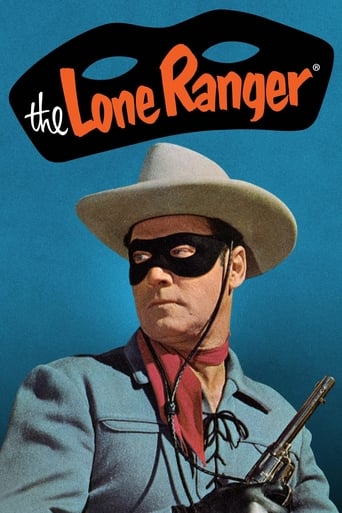
The Lone Ranger is an American western television series that ran from 1949 to 1957, starring Clayton Moore with Jay Silverheels as Tonto. The live-action series initially featured Gerald Mohr as the episode narrator. Fred Foy served as both narrator and announcer of the radio series from 1948 to its finish and became announcer of the television version when story narration was dropped there. This was by far the highest-rated television program on the ABC network in the early 1950s and its first true "hit".
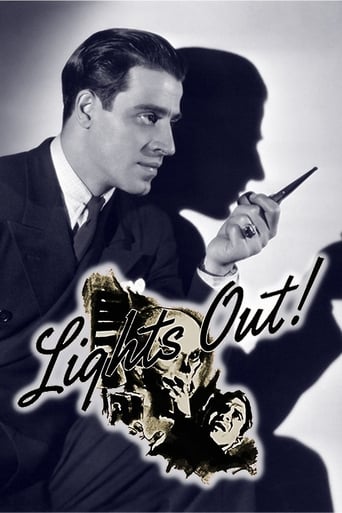
Lights Out was an extremely popular American old-time radio program, an early example of a network series devoted mostly to horror and the supernatural, predating Suspense and Inner Sanctum. Versions of Lights Out aired on different networks, at various times, from January 1934 to the summer of 1947 and the series eventually made the transition to television. In 1946, NBC Television brought Lights Out to TV in a series of four specials, broadcast live and produced by Fred Coe, who also contributed three of the scripts. NBC asked Cooper to write the script for the premiere, "First Person Singular", which is told entirely from the point of view of an unseen murderer who kills his obnoxious wife and winds up being executed. Variety gave this first episode a rave review ("undoubtedly one of the best dramatic shows yet seen on a television screen"), but Lights Out did not become a regular NBC-TV series until 1949.
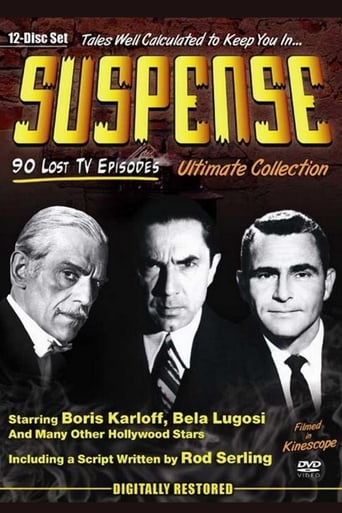
An anthology series adapted from the radio program of the same name. Like the radio program, many scripts were adaptations of literary classics by well-known authors. Classic authors such as Edgar Allan Poe, Agatha Christie, and Charles Dickens all had stories adapted for the series, while contemporary authors such as Roald Dahl and Gore Vidal also contributed.
BAFTA presents awards for film, television and games, including children's entertainment, at a number of annual ceremonies across the UK and in Los Angeles, USA.
Fireside Theater is an American anthology drama series that ran on NBC from 1949 to 1958, and was the first successful filmed series on American television. Stories were low budget and often based on public domain stories or written by freelance writers such as Rod Serling. While it was panned by critics, it remained in the top ten most popular shows for most of its run. It predated the other major pioneer of filmed TV in America, I Love Lucy, by two years.
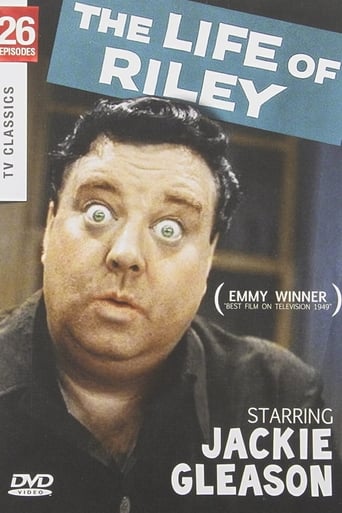
Riley worked in an aircraft plant in California, but viewers usually saw him at home, cheerfully disrupting life with his malapropisms and ill timed intervention into minor problems. His stock answer to every turn of fate became a catch phrase: 'What a revoltin' development this is!"
An annual awards ceremony honoring the best in U.S. prime time television programming as chosen by the Academy of Television Arts & Sciences.
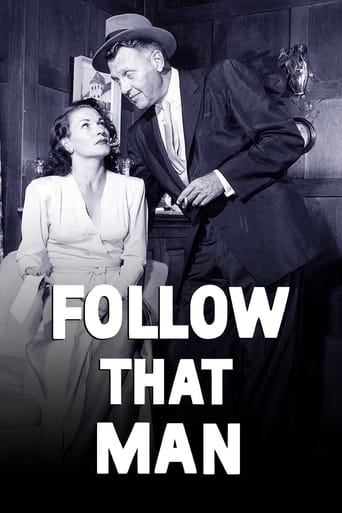
Man Against Crime, one of the first television programs about private eyes, ran on CBS, the DuMont Television Network and NBC from October 7, 1949 to August 26, 1956. The show was created by Lawrence Klee and Paul Alter and was broadcast live until 1952. It was also directed by Paul Alter. The series was one of the few television programs ever to have been simulcast on more than one network: the program aired on both NBC and DuMont during the 1953-1954 television season.
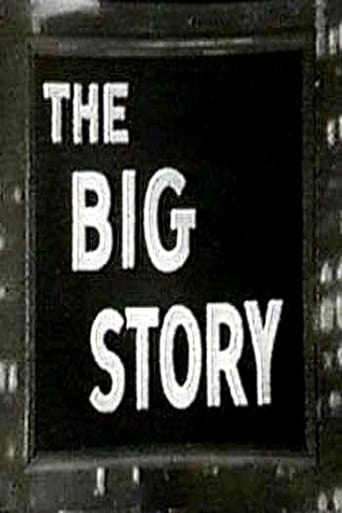
Based on a popular radio series, each show tells a different reporter's Big Story, a true story selected from newspapers across the United States. Comments from the actual reporter open and close each show but the permanent narrator drives the plot line and a featured actor dramatizes the reporter's role.
A Woman to Remember is a soap opera which ran on the DuMont Television Network from February 21, 1949 to July 15, 1949. The show initially ran in daytime, but starting May 2, aired Monday through Friday from 7:30 to 7:45 pm ET. John Haggart served as creator and writer, and Bob Steele was producer and director. The show followed Captain Video and His Video Rangers and had no sponsor.
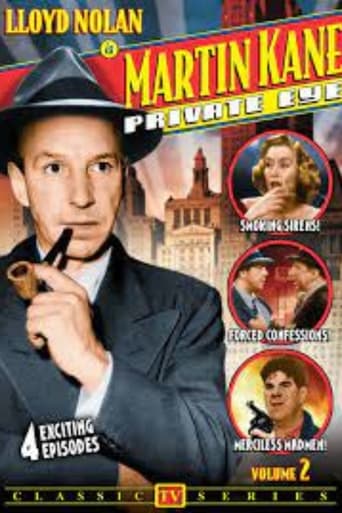
Martin Kane, Private Eye was an early radio series and television crime series sponsored by United States Tobacco Company.

The Plainclothesman was an American crime drama series broadcast on the now defunct DuMont Television Network.
The Silver Theatre is a television series that was broadcast on the CBS television network from 1949 to 1950. It was a live anthology series consisting of dramatic teleplays about romance. It was sponsored by the International Silver Company.
The Clock is a 30-minute American anthology television series based upon the American Broadcasting Company radio series which ran from 1946–48. The half-hour series mostly consisted of original dramas concerning murder, mayhem or insanity. Series narrator Larry Semon was the only regular; each week a new set of guest stars were featured. The title of the series was derived from a clock which was a major plot element in each story. The show's musical theme was "The Sands of Time". Ninety-one episodes aired from 1949 to 1952, most of them on NBC, except for the final season which aired on ABC. Courtesy of Wikipedia.
Wesley is an early American sitcom that aired live on CBS from May 8, 1949 to August 30, 1949.

The Goldbergs is a comedy-drama broadcast from 1929 to 1946 on American radio, and from 1949 to 1956 on American television. It was adapted into a 1948 play, Me and Molly, a 1950 film The Goldbergs, and a 1973 Broadway musical, Molly.
Family Affairs was the first television serial broadcast by BBC Television.
