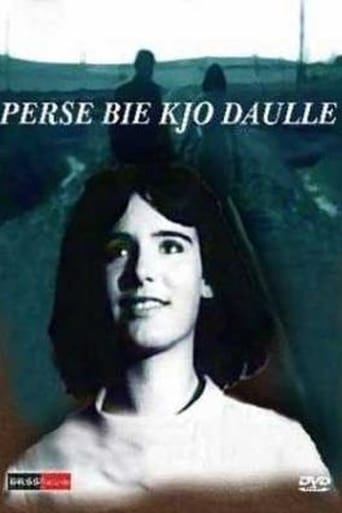
Why Are the Drums Rumbling? 1969
Katrina and Xhavit, two young volunteers working on the construction of a railroad, fall in love and decide to marry. However, the girl's father does not approve this marriage.
Katrina and Xhavit, two young volunteers working on the construction of a railroad, fall in love and decide to marry. However, the girl's father does not approve this marriage.

Fran, a woman who has chosen to live as a man, following the tradition of Albanian “Burrnesha.” To become a mother to her orphaned niece, Fran must make a difficult decision between preserving her status as a “man” or relinquishing it to reconnect with the maternal feelings she has long suppressed. When the time comes to move forward, her niece’s choice forces Fran to confront her deepest fears: to keep the child close or to give the young girl wings to fly.
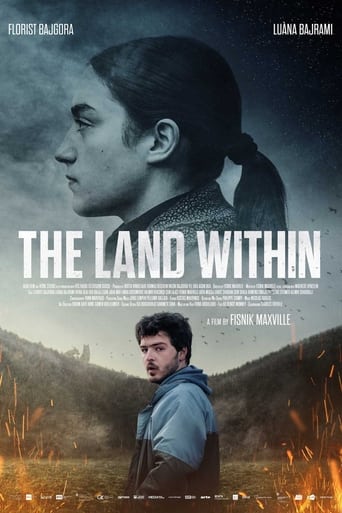
After years of exile, Remo, an orphan, returns to his childhood village in the Balkans. He must help his adoptive cousin, Una, with the exhumation of a mass grave that contains most of their family members buried there during the war. But the bodies reveal family secrets that will make Remo and Una question their past and their future. A film about the possibility of truth in a place that only knows survival.
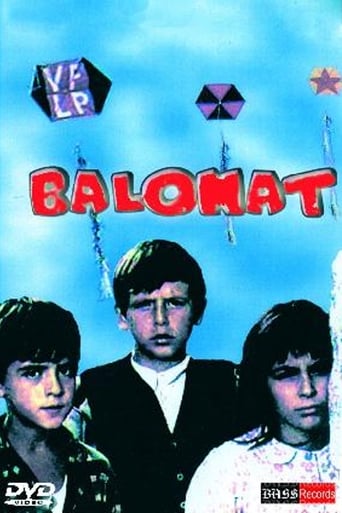
World War II. Even children contribute to the anti-fascist resistance. They write slogans on kites, so that the fascists cannot remove them.
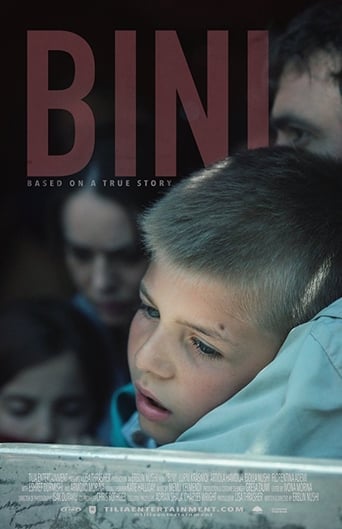
A young boy, thrust into the horrors of war, clings to a piece of candy as he and his family are forced to become refugees.
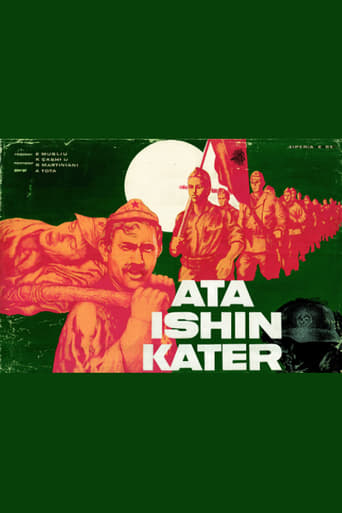
Four partisans are tasked with delivering a song to the Congress of Përmet.
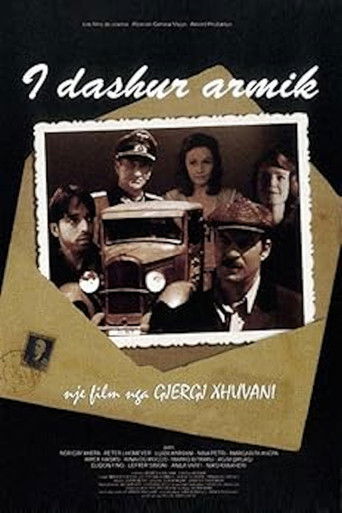
Dear Enemy tells the true story of the director’s grandfather who became friends with a German officer during the WWII German occupation of Albania while hiding a partisan, an Italian soldier and a Jewish watchmaker in his cellar.
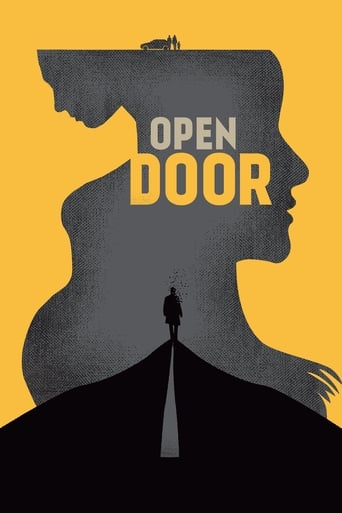
Rudina sets off on a long journey with her unmarried pregnant sister, Elma, to meet their strict and traditional father in the Albanian village where they were born. As Rudina's car makes its way over the mountains, Elma comes up with a plan to enlist a former classmate to play the part of her husband.

Twenty-five years after his abduction during the Kosovo War, painter Skender Muja recalls a pivotal moment of survival. Held in a detention center, he was ordered to draw a Serbian commander’s portrait to save his life.
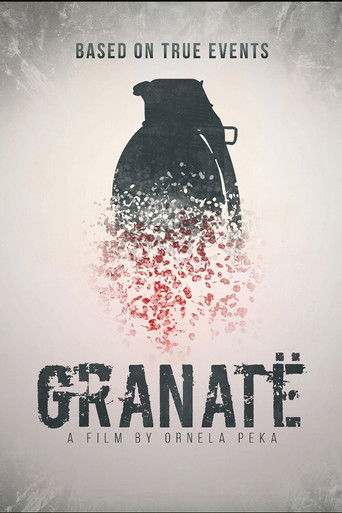
In northern Albania, two innocent children experience the effects of warfare, and meanwhile in London a successful architect shares his story and the influences for his new project which shelters thousands of Syrian refugees in the UK.

The story of a couple married for 10 years who decide to end their relationship without understanding the implications of this separation for their families. The decision to separate will make them know the limits of each other and their loved ones in situations full of humor and love. Because when love is still there, nothing is impossible.

In a traditional village in Kosova, a year after the war (2000) when people are rebuilding their lives, the female school teacher Lushe is driven by her inner conscience to give an interview to an international journalist, telling her that she and three other women from the village were raped by Serbian forces. A critical view of a society which survived the war, won its independence but still struggles with human equality. An insightful portrait of a Balkan village, of a patriarchal microcosm, and of its mayor who desperately wants to control the village life. Of husbands who feel forced to behave strong, but act against their own emotional interest. A reflection of rituals which not only show gender inequality, but also the absence of freedom of expression within the male community.
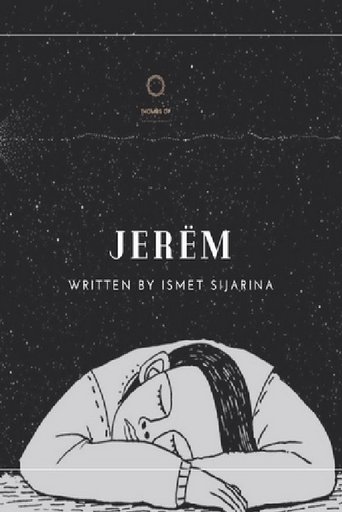
Through the eyes of Era, a resilient yet fragile woman, the audience is introduced to a dystopian reality where victims and perpetrators of violence are intertwined, and the boundaries between guilt and innocence become blurred.

After a thirty year absence, Sana, now in her fifties, is surprised by the sudden return of her long lost love, Gori. Even though she has been waiting for this moment her entire life, she can scarcely believe her eyes.
A film about the war in Kosovo.
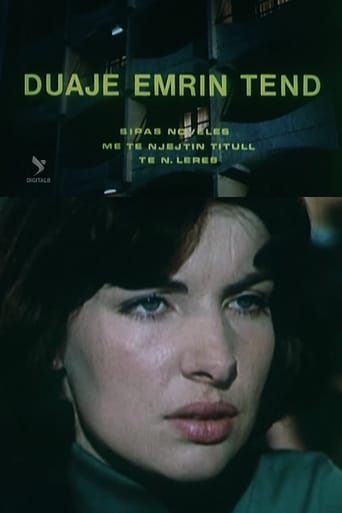
Jona, Arsen and Agron are not three ordinary graduates doing their teaching practice in an industrial center, but three young people who try to have their place in society. Through their social relations and their love, the film penetrates into their spiritual world and psychology, revealing their concepts and moral values.
Albania and neighboring Yugoslavia officially broke ties in 1948. But in 1971, the Hoxha regime was honored to welcome the ethnic Albanian actor Bekim Fehmiu (1936-2010), at the time an international star in Yugoslav theater and film. Before his trip to Albania, Fehmiu had appeared in the popular Italian television smash The Odyssey (1968) and the Cannes-winning I Even Met Happy Gypsies (1967). Dokufest will also feature a photo exhibit of recently-discovered still images taken during Bekim Fehmiu’s Albanian visit.
In a peaceful neighborhood life is quiet, but a traumatic past promises to change lives of people that live there, forever.
Edona, a high school student, is raped unprovoked by her language teacher. The professor named Cen used to be Edona's father's friend. She initially tries to hide the "shameful event" but she doesn't succeed. Edona tells her father Dini, who returns and meets the rapist, his former friend, Professor Cen.
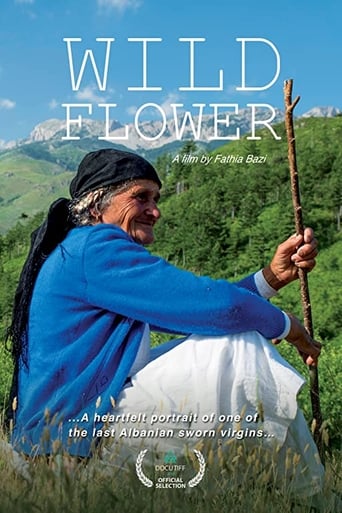
Documentary about Lule Bib Luka a sheep farmer and one of Albania's last Burneshas, women who swear chastity for life in order to be given the rights and privileges of men.
