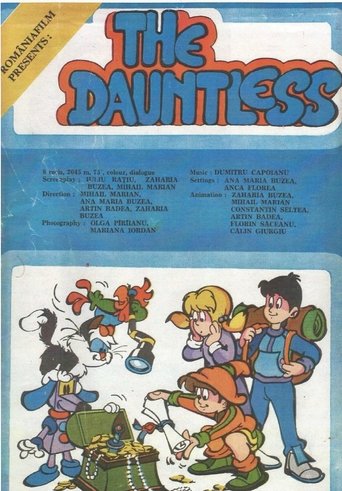
The Dauntless from the Second Storey 1988
Nela, Vic, Bogdănel and Mihai go through a series of adventures with the innocence of childhood.
Nela, Vic, Bogdănel and Mihai go through a series of adventures with the innocence of childhood.
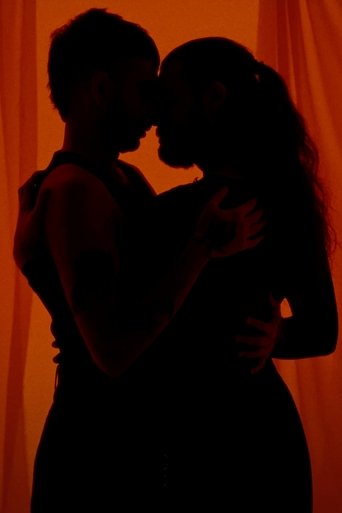
Companion short film for Erika Isac's album of the same name.
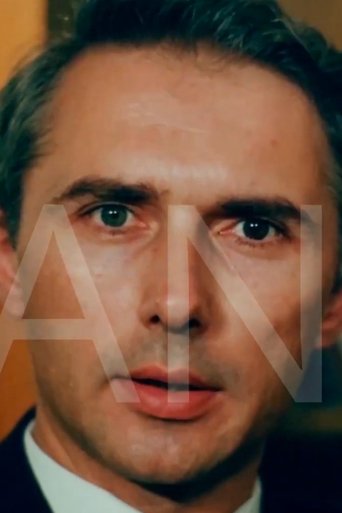
Multiple kinds of "judicial experiments" (re-enactments) are presented, their purposes and procedures being revealed throughout the film.
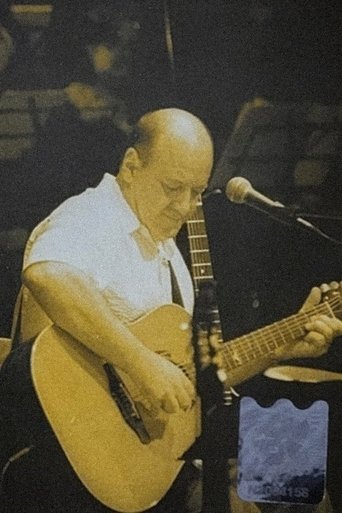
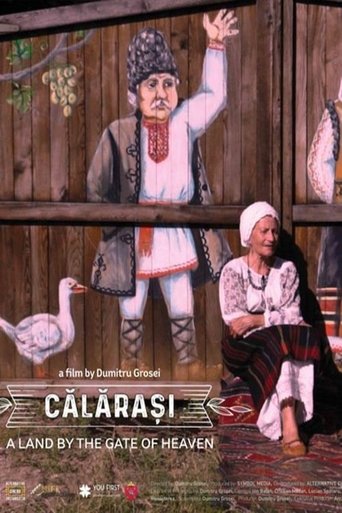

Sganarelle finds himself in a situation as difficult as it is ridiculous: he is an aging man pursuing a very beautiful yet libertine young lady, with the intention of marrying her. Sganarelle is wealthy, whereas she, Dorimena, comes from a poor family. How hard it is for our bachelor to part with his comfortable and well-off freedom! How afraid is he to break his cycle of sadness and take a step to happiness?
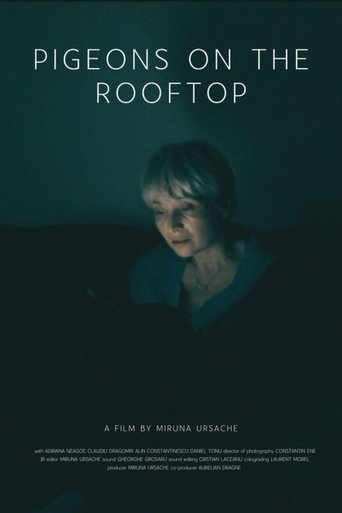
In a quiet Bucharest suburb, Edith and Stan lead an unremarkable life – until Spiridon, the building handyman, stirs their routine with a startling revelation: their new neighbor, Anilov, breeds pigeons that are not what they seem. As Edith, a fervent believer in conspiracy theories, becomes increasingly obsessed, her imagination spirals out of control, blurring the lines between reality and paranoia. Meanwhile, Stan, a man of reason, struggles to anchor her in logic, navigating the growing conflict between belief and skepticism.
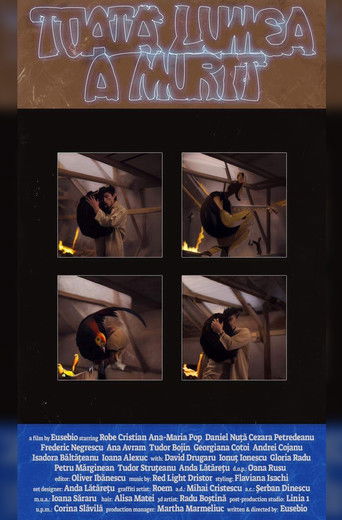
A look at Romania's increasing mechanization in the seventies told from the perspective of a wanderer.
Travelogue of Craiova, a (then-)small town in southwestern Romania.
The gradual opening-up of Romania during the 1960s continued with the reorganisation, in 1972, of the national strategy for culture and tourism promotion, and the establishment, as part of the new Council for Culture and Socialist Education (CCES), of a special commission in charge of the national strategy for incoming foreign tourists. It was in this context that the National Tourrism Office (ONT) strategically commissioned, via its media arm Publiturism, a series of films meant to persuade various communities from the Romanian diaspora to spend their holidays – and their money – “back home” in Romania.
“Wedding in Leresti: American couple gets married in the Orthodox tradition as local priest is appointed Texan sheriff” – this was the title of a feature published in the August 1973 issue of Tribuna României, a trilingual (French-English-German) Romanian publication targeted at foreign audiences. The unusual event was documented in a Sahia film commissioned by Publiturism, the media arm of Romania’s National Tourism Office, which credited Paul Anghel, the editor-in-chief of the periodical, as scriptwriter.
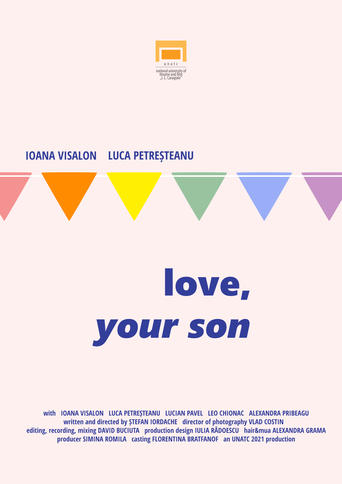
For Luca's 18th birthday, his parents buy him a new car as a gift. Meanwhile, their son is bleaching his hair. The mother has the impossible mission of hiding the two surprises.
People Telling Stories is an industrial, health-and-safety commission turned into an aesthetic exercise by one of the most flamboyant young directors at Sahia. In the early 1980s, Romania experienced a crisis triggered by the so-called ‘Transcendental Movement’ (a variation of the ‘Transcendental Meditation’ movement created by Maharishi Yogi, with some significant involvement from the Romanian Secret Police). Those involved, most of them members of the intellectual elite, were harshly repressed. One of them was Paștina, who lost his right to make documentaries for cinema distribution and was demoted to directing health-and-safety films commissioned to Sahia by various institutions.

A young male has a testicle problem and starts projecting his biggest fears based on his research on the internet. His girlfriend and twin brother come to the rescue.
A small town in Buzau province is affected by a destructive flood during the time of an aggressive nationalistic program of urbanization in Communist Romania.
Little Ones Describe the Big World is not so much relevant as a sample of the directorial work of filmmaker Gabriel Barta as much as it is as an example of the early writing of one of Romania’s most peculiar and prolific writers, Radu Cosașu, who, at the time, worked closely with the Sahia studio after going through a difficult patch with the political establishment. The film is structured through the father-daughter dialogue written by Cosașu to lend colour and a narrative to the aforementioned exhibition. The style of his writing combines the wit, irony, and casual tone that have become his trademark: here, however, these qualities are put to work for the benefit of the socialist state’s political agenda.

