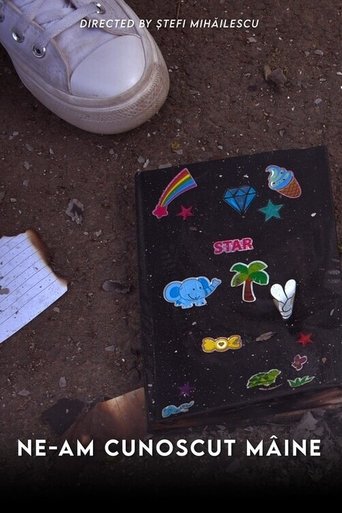
We Meet Tomorrow 1970
Two best friends get through the most challenging moment of their friendship and it all starts when they find each other’s personal diaries.
Two best friends get through the most challenging moment of their friendship and it all starts when they find each other’s personal diaries.

The film is a classical process-film that describes the making of commercial products, from initial manufacturing of raw material to final selling.

There's disagreement between heart and reason. While trying to find common ground, they quarrel like blind.
A young mother raises her son alone, supporting him by working at the village pub. The tender and close relationship between the two largely compensates for the fact that they have difficulty managing money, and Andrei tries at every opportunity to cheer up his mother. In the absence of his father, the boy idealizes any male figure who comes into contact with his mother, be it the pub owner Ilie or the policeman Gică.
Counterintelligence film from communist Romania. Also known as "Stația pilot"
Counterintelligence film from communist Romania.
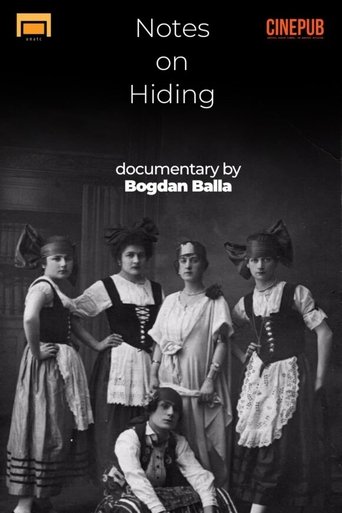
In the 90's and early 2000's Romanian mainstream press began reporting on homosexuality and activism in a very flashy and sensationalistic manner. Notes on Hiding focuses on what the media didn't report on.
Two years after its founding, Vivi Drăgan Vasile makes an assessment of the Foundation: “An idea was born, namely that market economy should somehow also work in favour of the artists. Some outlawry, in other words.” It includes images from George Soros’ visit at FAV and a board meeting of the Foundation.
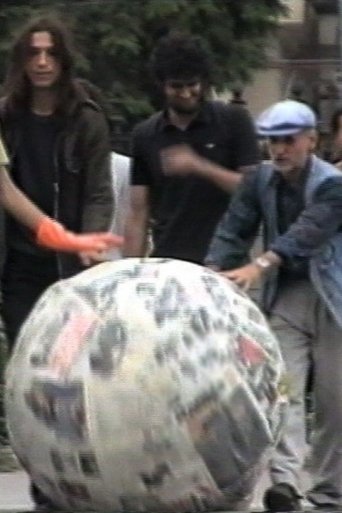
A happening made by students from the Art Academy, inspired by one of Michelangelo Pistoletto’s sculpture-objects. The sculpture crosses the city of Bucharest and enters into dialogue with its inhabitants, against the backdrop of the 1990s.
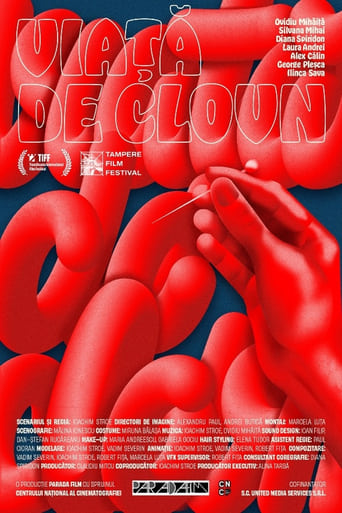
The film tells the story of a man that goes through life being an actual clown. Not by choice, he is just born this way. We get to watch him going through a few crucial moments of his life like his birth, school, job, first love. We witness his downfall as life becomes harder and people become meaner.
A Transylvanian variation on Jim Jarmusch's theme.
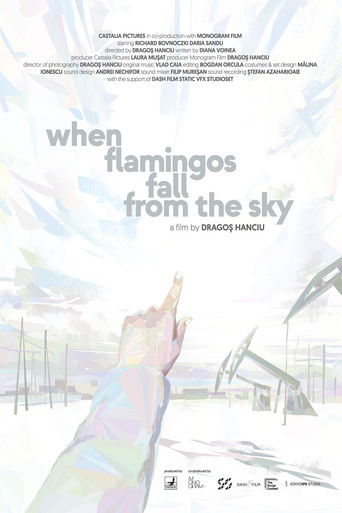
Blurring the line between memory and imagination, the film tells the story of a girl and her father, who have embarked on a wintery voyage. As the girl loses her sight, she reminisces about a strange encounter with a baby flamingo, while her father questions her experience.
Pin-Pin is a circus artist penguin who goes around the world to find partners for a new show. After countless adventures, Pin-Pin returns home, to the circus, with his long-dreamed partners.
Shot in a cinéma verité style, a group of students make a film in Botosani penitentiary. They start to follow Gheorghita, a worker from the kitchen. He is working hard to gain the trust of the guards and to blend in with his fellow inmates. As the students get closer to him, they realise how the environment ends up shaping the identity of the individual.
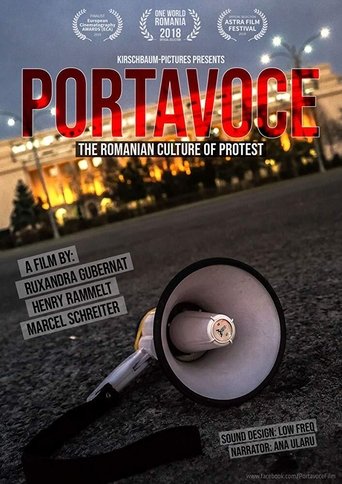
"Portavoce" (Megaphone) traces back the evolution of a culture of protest in Romania, developing in recent years, through the voices and opinions of key actors involved in social mobilization, in direct actions and in the development of a cultural scene favorable to political involvement.
A movie about chickens and kids. The film was made in 1985, but screened only in 1990 for reasons that even Communist censors found hard to explain. A chicken farm that was very modern for its time included a kindergarten reserved for the employees’ children. The film uses the parallel between raising chicken and human babies as the starting point for a meditation on human nature.