
SAS: Rogue Warriors 2017
With unprecedented access to the SAS secret files, unseen footage and exclusive interviews with its founder members, this series tells the remarkable story behind an extraordinary fighting force.
With unprecedented access to the SAS secret files, unseen footage and exclusive interviews with its founder members, this series tells the remarkable story behind an extraordinary fighting force.
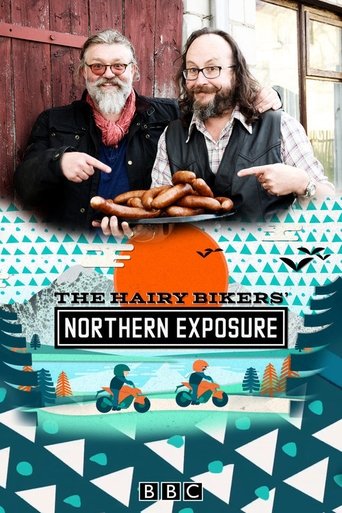
The Hairy Bikers head north on a big Baltic adventure in search of new cuisines to explore, travelling from Germany to Sweden via Poland, Russia, Finland, Estonia, Latvia and Lithuania.
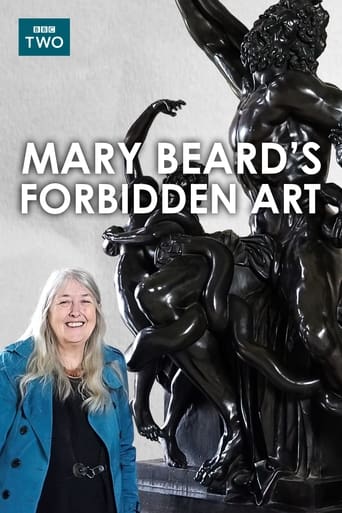
Art that challenges, questions and appals. Professor Mary Beard confronts controversial works tackling such unsettling subjects that they’ve been fought over, removed or 'forbidden'.
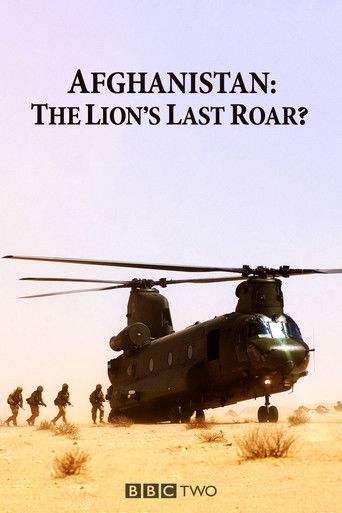
This two-part series tells the story of the conflict in Afghanistan and asks what has been achieved and whether the British have the will to fight in distant lands again.
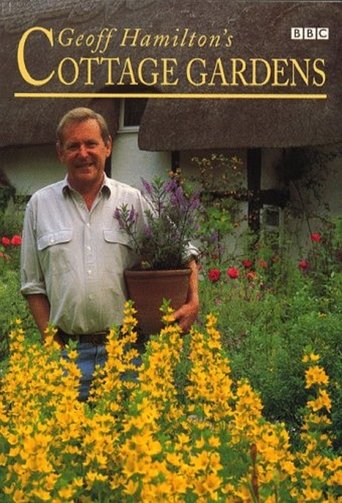
Gardening series delving into the history of cottage gardening, Looks to the old cottage gardens of the past and adapts the more popular features to modern gardens. In building three cottage gardens from scratch at his home in Barnsdale, Geoff Hamilton set out to simplify the practical problems of creating a natural rustic look.
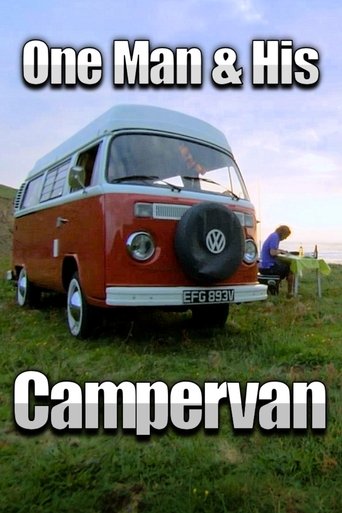
Martin Dorey, campervan lover and passionate foodie, journeys around Britain in his 1970s classic campervan on the ultimate escapist adventure.
Dame Margot Fonteyn acts as tour guide to the British ballet.

Ten part step by step guide to gardening.
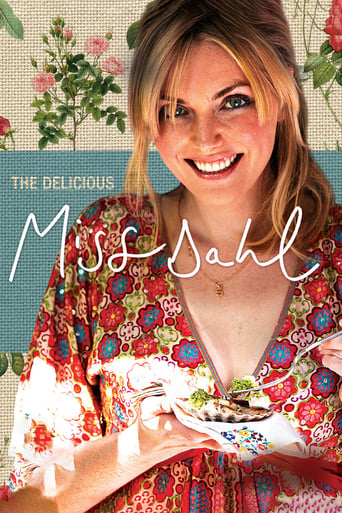
Sophie Dahl cooks up delicious recipes and reminisces about some of her own food memories.
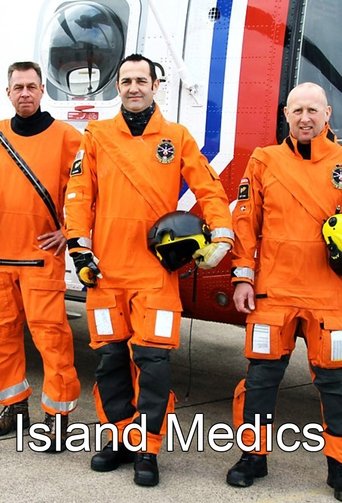
Behind the scenes at the UK's most remote hospital, the Gilbert Bain in Shetland, which provides emergency and medical care to the islands' 23,000 residents.
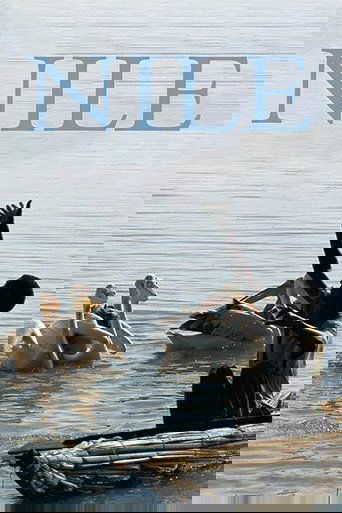
Nile is a 2004 BBC Television documentary that tells the history and natural history of the Nile.
A series of four documentaries filmed behind the scenes at London Zoo as it fights for its future.

The story of the biggest seaborne invasion in history, told using a treasure trove of rare and previously unheard recordings of those who lived through it, lip-synched by actors.
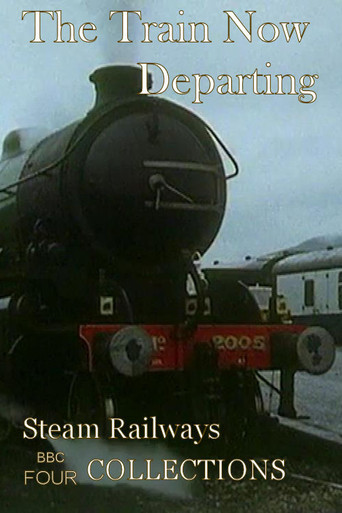
Despite being phased-out by British rail networks in 1968, the steam train has resisted its bleak fate of becoming a mere museum exhibit, and fading into obscurity. This series charts their re-emergence over the subsequent twenty year period following the end of the age of steam.
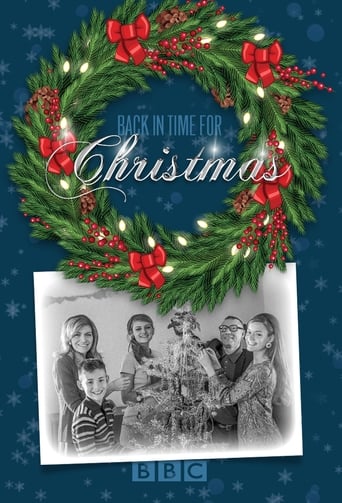
It really will be Christmas every day as the Robshaw family, stars of BBC2's Back in Time for Dinner, time-travel through six decades of festive nostalgia.

James Wong, an ethnobotanist, presents the series and takes the view that people should start making their own remedies in order to save money and feel healthier plus providing simple remedies to everyday ailments. Wong tries out his remedies on members of the public in order to demonstrate the beneficial effects of natural remedies, adding appropriate safety warnings. He is careful to stress that viewers should always seek medical advice before trying natural medicines, and in discussing the outcomes of treatment always states "It's not a clinical trial..." and acknowledges that results might be attributed to a placebo effect.

Making the Most of the Micro was a TV series broadcast in 1983 as part of the BBC's Computer Literacy Project. It followed the earlier series The Computer Programme. Unlike its predecessor, Making the Most of the Micro delved somewhat deeper into the technicalities and uses that microcomputers could be put to, once again mainly using the BBC Micro in the studio for demonstration purposes. The series was followed by Micro Live.

Celebrity chefs try out different recipes from around the world.
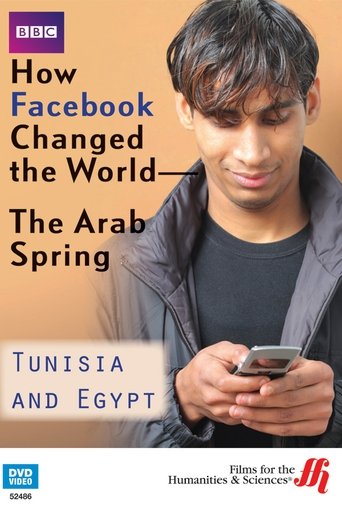
The story of how the Arab world erupted in revolution, as a new generation used the internet and social media to try to overthrow their hated leaders
A group of young people live and work on a replica of a prehistoric Iron Age settlement at a secret location in the West of England. Cut off from the modern world, the group try to re-create the way of life of Celtic tribesmen in the third century BC.

