The Fighting Kentuckian 1949
John Breen (John Wayne), a Kentucky militiaman falls in love with French exile Fleurette De Marchand (Vera Ralston). He discovers a plot to steal the land that Fleurette's exiles plan to settle on and aims to foil it.
John Breen (John Wayne), a Kentucky militiaman falls in love with French exile Fleurette De Marchand (Vera Ralston). He discovers a plot to steal the land that Fleurette's exiles plan to settle on and aims to foil it.
An uncompromising, visionary architect struggles to maintain his integrity and individualism despite personal, professional and economic pressures to conform to popular standards.
A woman's attempted murder of her uncaring husband results in everyday quarrels in the lives of Adam and Amanda, a pair of happily married lawyers who end up on opposite sides of the case in court.
Wallace Beery, in his final film, plays a bandit in this period drama set in Colonial America.
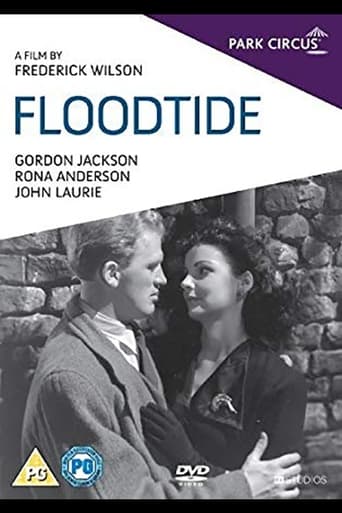
David Shields refuses to go into agriculture and opts instead for ship building
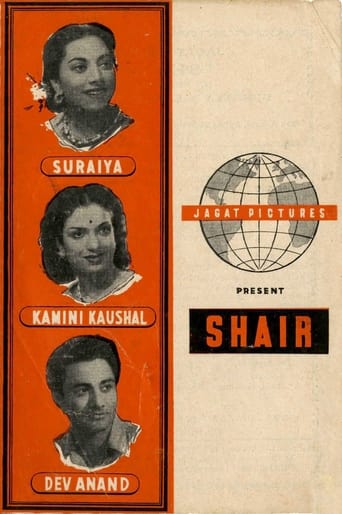
A poet who has spent life in the village with his childhood sweetheart goes to Bombay to meet a fan of his who is also a popular radio singer.
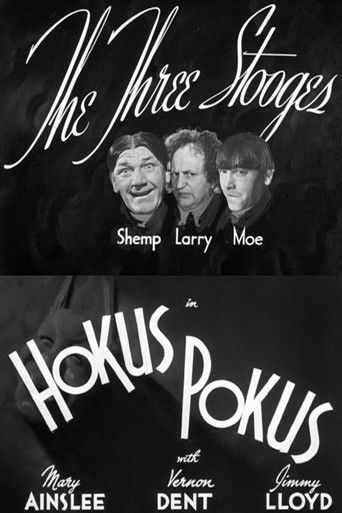
The Stooges are taking care of their invalid friend Mary who is confined to wheelchair.
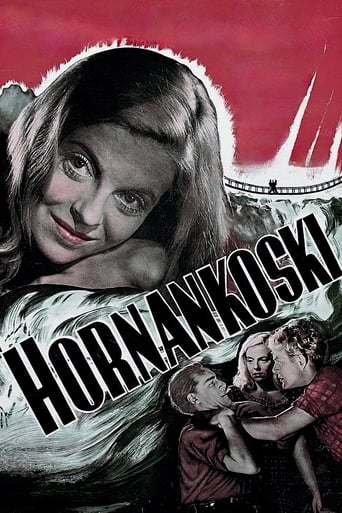
The brothers of Yli-Koskela farm fall for the same woman. Then Aarne believes he has killed a man. Artturi sees the case and saves the man from drowning to the rapids. He takes advantage of the situation and tells the woman, Lea, that his brother is a murderer.
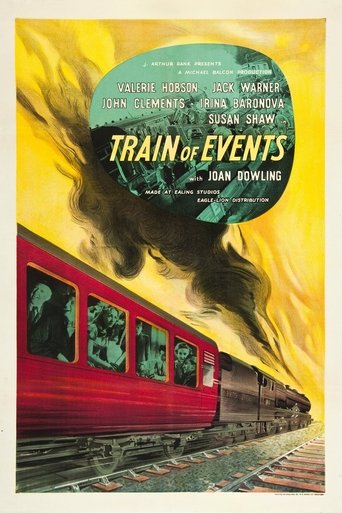
A train disaster is told in four short stories to give character studies of the people involved, how it will affect them and how they deal with it.
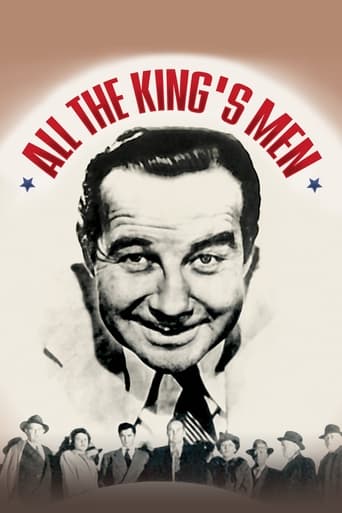
A man of humble beginnings and honest intentions rises to power by nefarious means. Along for the wild ride are an earnest reporter, a heretofore classy society girl, and a too-clever-for-her-own-good political flack.
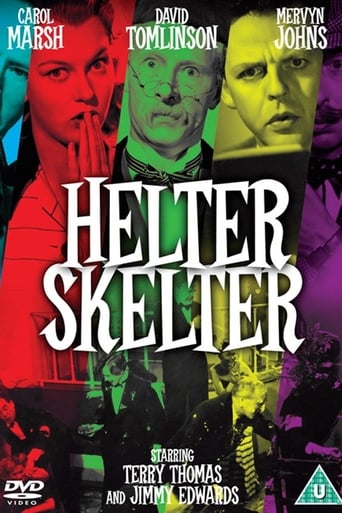
A detective gets involved with a wealthy socialite who can't seem to stop hiccuping.
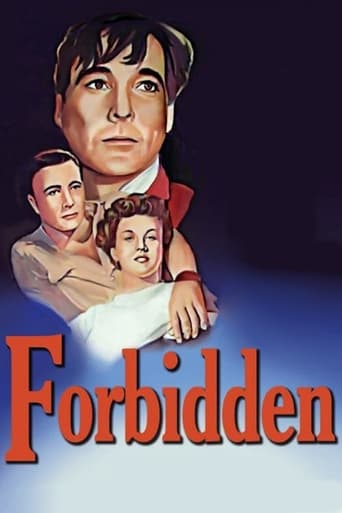
Set on Blackpool’s Golden Mile, Jim (Douglass Montgomery), a once promising scientist, sets up in business as a patent medicine man selling hair tonic at the fair with his ex-army colleague Dan (Ronald Shiner). Following a fight with local hoods over pitch spaces, Jim falls for Jane (Hazel Court), the girl on a nearby candy floss stall. The two begin dating but Jim fails to mention he is already married.
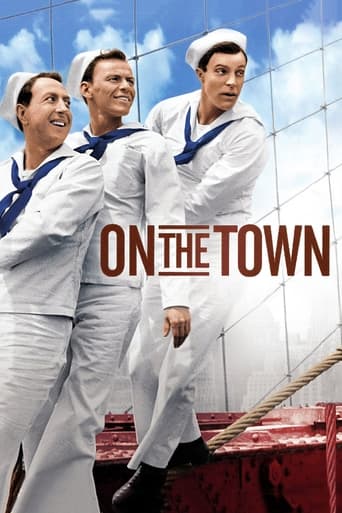
Three sailors wreak havoc as they search for love during a whirlwind 24-hour leave in New York City.
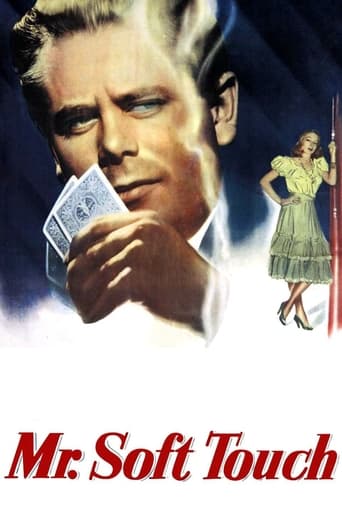
When he learns that a gangster has taken over his nightclub and murdered his partner, returning WWII hero Joe Miracle steals the money from the club's safe and hides in a settlement home, while the mob is on his tail.
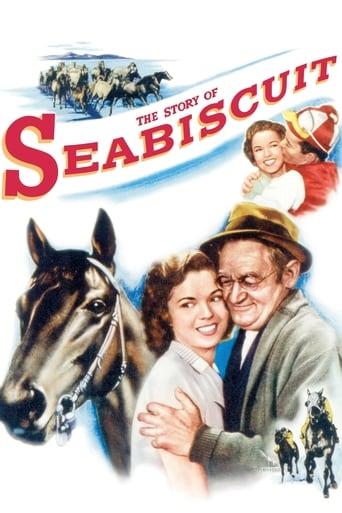
Horse trainer Shawn O'Hara and his lovely niece, Margaret, come to America to escape the memory of an accident involving Margaret's brother, Danny. Working with thoroughbreds in Kentucky, Shawn takes a liking to a yearling named Seabiscuit, and fights to convince the horse's owner that the tiny horse with big knees will become a top-notch racehorse. Meanwhile, Margaret begins a tentative relationship with jockey Ted Knowles, but is haunted by her brother's death in a steeplechase spill. Written by Ray Hamel
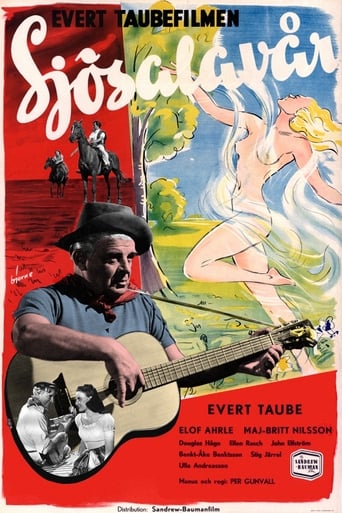
The Troubadour sits at a rock beside his summerhouse Sjösala in the Stockholm archipelago. He is composing a new ballad, when his son Sven Bertil interrupts him, telling him that an angry man is knocking at their door. It is the creditor Andersson, coming with a new unpaid bill to be put on the top of all the other. The Troubadour is tired of all economical problems. It disturbs the peace he needs to be able to write new songs, and without new songs he cannot earn the money he needs to pay the bills. To get peace and inspiration for his writing, he makes a quick decision to go to Buenos Aires. By phone he persuades his publisher to prepay 7000 kronor for some future book. On the little ferry from the islands in the sea to Stockholm city the Troubadour is carried away by his imagination into the fictitious world of his main character Fritiof Andersson. Colorful scenes from various songs are enacted before his dreaming eyes. In Stockholm he spends the night at the inn Gyldene Freden. ...
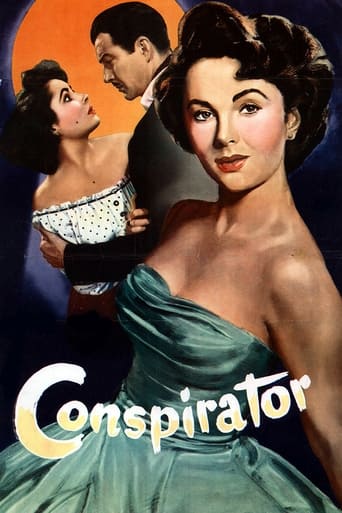
A newlywed suspects her husband of being a Communist spy.
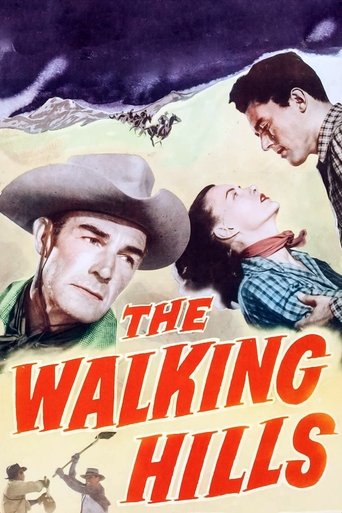
A study in greed in which treasure hunters seek a shipment of gold buried in Death Valley.
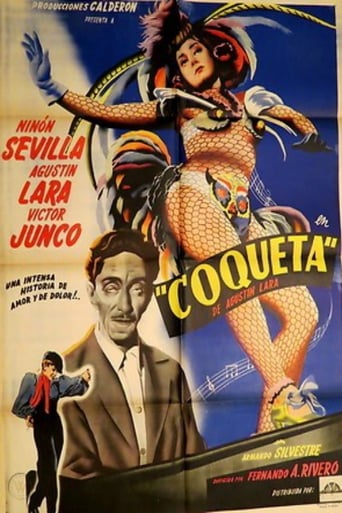
Blind nightclub pianist takes in a young singer/entertainer when she hits bottom... but once she gets stable and starts thinking about maybe a boyfriend, his unspoken intentions start to surface.
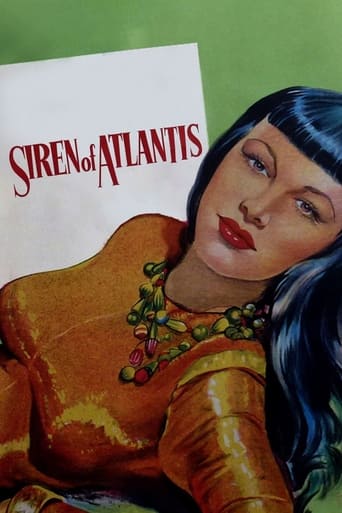
Two Foreign Legion soldiers, Jean (Dennis O'Keefe) and Andre (Jean Pierre Aumont), accidentally discover the famed lost continent of Atlantis. Bewitched by the sultry, beauty of the Queen of Atlantis (Maria Montez) the two men vie for her affections; little realising that her previous lovers have been embalmed into statues that line the passages of her kingdom.


The Goldbergs is a comedy-drama broadcast from 1929 to 1946 on American radio, and from 1949 to 1956 on American television. It was adapted into a 1948 play, Me and Molly, a 1950 film The Goldbergs, and a 1973 Broadway musical, Molly.
The Plainclothesman was an American crime drama series broadcast on the now defunct DuMont Television Network.
These Are My Children is a short-lived American television soap opera which ran on NBC from January 31, 1949 to February 25, 1949. The show was broadcast live from Chicago, Illinois, airing fifteen minutes a day, five days a week, at 5:00 p.m. EST. These Are My Children was the first soap opera to air on a major television network. Created by Irna Phillips and directed by Norman Felton, the show was based in large part on Phillips' early radio soaps Today's Children and Painted Dreams. Children centered on an Irish widow, Mrs. Henehan and her struggles to run a boarding house as well as help her three children and new daughter-in-law Jean. Critics were not impressed; Television World ended their review with: "There is no place on television for this type of program, a blank screen is preferable."
The Admiral Broadway Revue is an American variety show that ran from January 28 to June 3, 1949. The show was broadcast live on Fridays, 8-9 pm Eastern Time. and was broadcast simultaneously on both NBC and the DuMont networks.
Your Show Time is an American anthology drama series that debuted as a midseason replacement on NBC Television in January 1949. Hosted and narrated by Arthur Shields, the series ran until July 1949.
Starring Boris Karloff (also known as The Boris Karloff Mystery Playhouse) is an American radio and television anthology series broadcast for 13 weeks, September–December 1949, on the ABC network. Boris Karloff was the host and occasional star, with music by organist George Henninger. Produced and directed by Charles Warburton, the series adapted short stories of mystery and suspense.
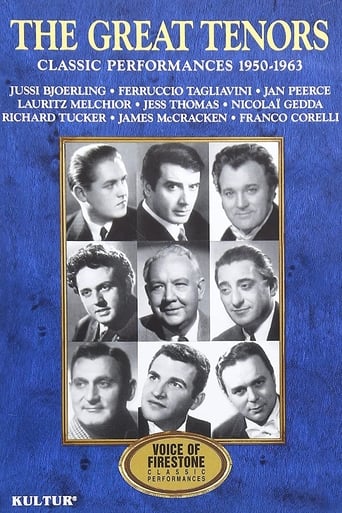
The Voice of Firestone is a long-running radio and television program of classical music. The show featured leading singers in selections from opera and operetta. Originally titled The Firestone Hour, it was first broadcast on the NBC Radio network on December 3, 1928 and was later also shown on television starting in 1949. The program was last broadcast in 1963.

Robert L. Ripley sitting in a "living room" recounting tales of strange stories. Ripley died on 27 May and was replaced by Robert St. John who continued to November 1949. The second season, beginning in January 1950, was a dramatic anthology series based on Ripley's stories and featured guest players every week.
Colgate Theatre is a 30-minute dramatic television anthology series telecast on NBC during 1949 and 1958 for a total of 50 episodes. The first edition, a live anthology, was telecast on Sunday nights at 8:30pm through the summer of 1950. The second series [Tuesdays, 9:30pm] consisted of filmed pilot episodes of unsold series, and was a last-minute replacement for the game series Dotto, which was ended during August 1958, due to accusations that it was rigged. It served as a filler for the sponsor until The George Burns Show premiered on October 14, 1958.
Arthur Godfrey and His Friends is an American television variety show hosted by Arthur Godfrey. The hour-long series aired on CBS Television from January 1949 to June 1957, then again as a half-hour show from September 1958 to April 1959. Many of Godfrey's musical acts were culled from Arthur Godfrey's Talent Scouts, which was airing on CBS at the same time. Among the more popular of his singers were Frank Parker, Marion Marlowe, Janette Davis, Julius La Rosa, Haleloke, The McGuire Sisters, Carmel Quinn, Pat Boone, Miyoshi Umeki and The Chordettes. The show was live, and Godfrey often did away with the script and improvised. He refused to participate in commercials for products he did not believe in.
Two children named Jim and Judy enter their television for adventures.
Leave It to the Girls is an American radio and television talk show, created by Martha Rountree, and broadcast, in various forms, from the 1940s through the 1980s.
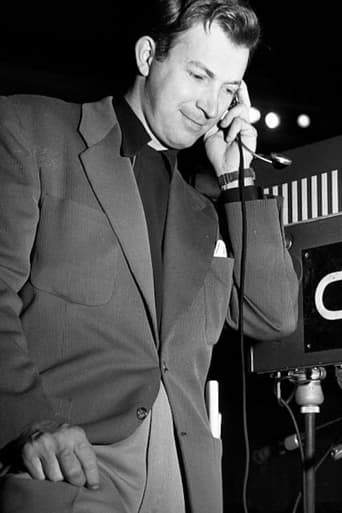
The Herb Shriner Show was the title of two different American television series shown in prime time by CBS during the late 1940s and 1950s. A similar program, also hosted by Herb Shriner, was Herb Shriner Time, which was aired by ABC as part of its 1951-52 lineup. The first Herb Shriner Show was essentially a continuation of what Shriner had previously done on radio. It was aired by CBS five nights a week from 7:55 to 8:00 P.M. Eastern time and consisted solely of Shriner's folksy monologues, which had already earned him comparisons to Will Rogers. This program was seen only from November 1949 until February 1950. Herb Shriner Time was a half-hour format aired by ABC on Thursday nights at 9 PM Eastern from October 1951 to April 1952. In addition to the comedy monologues, this format provided time for guest stars, and also allowed for Shriner to play his harmonica and act in comedy sketches.
Let There Be Stars was an early television series which aired on the ABC television network in 1949. It was a high-budget show for its time, and used new production techniques such as "Teleparencies", transparencies which could be displayed in the background, faded in or out or dissolved, and changed on the fly. The idea of the program was to highlight up-and-coming actors and actresses who had been found by a talent scout working to cast new performers in Broadway shows. The first program got a rave review from Variety magazine, but quality dropped off, and the show only lasted a little more than a month, from October 16, 1949 through November 27. The 1st, 2nd, 3rd, 4th, 5th, 6th and 7th episodes are stored at the Paley Center for Media. The archive also has a "rough rehearsal kinescope" of one of the episodes.
Famous Jury Trials is a dramatized court show that first appeared on radio, followed by television, and then in the movies. The series enjoyed a long, successful run in radio programming from 1936 through 1949, then on television from 1949 through 1952, and finally in a movie in 1971. On television, it aired on the now-defunct DuMont Television Network.
