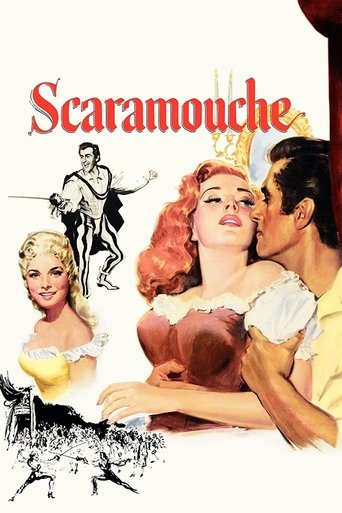
Scaramouche 1952
In 18th-century France, a young man masquerades as an actor to avenge his friend's murder.
In 18th-century France, a young man masquerades as an actor to avenge his friend's murder.
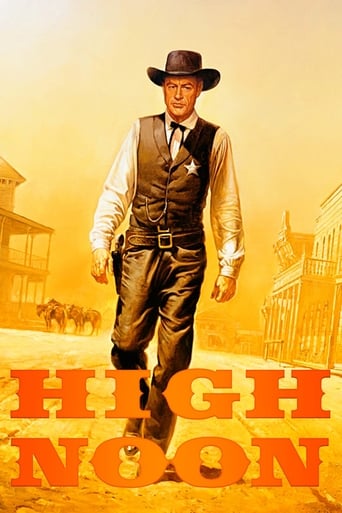
Will Kane, the sheriff of a small town in New Mexico, learns a notorious outlaw he put in jail has been freed, and will be arriving on the noon train. Knowing the outlaw and his gang are coming to kill him, Kane is determined to stand his ground, so he attempts to gather a posse from among the local townspeople.
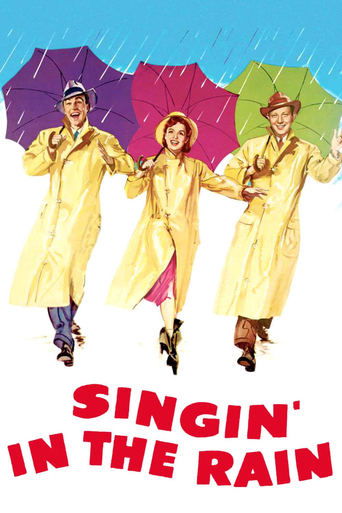
In 1927 Hollywood, a silent film star falls for a chorus girl just as he and his paranoid screen partner struggle to make the difficult transition to talking pictures.
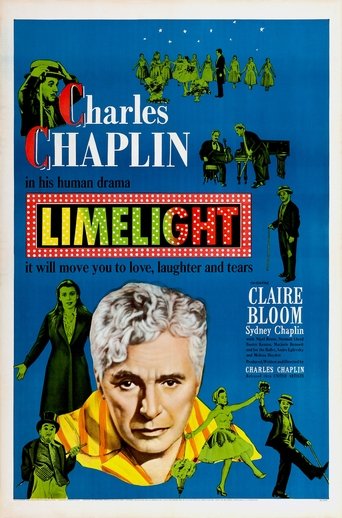
A fading music hall comedian tries to help a despondent ballet dancer learn to walk and to again feel confident about life.

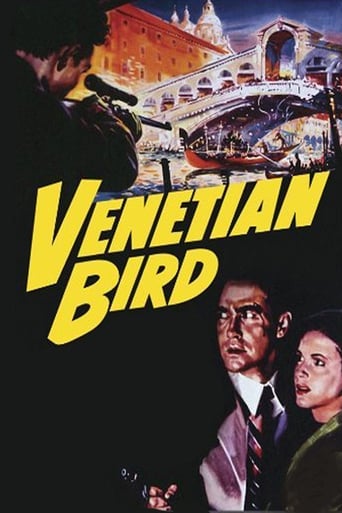
Private eye Edward Mercer travels to Venice to locate a man due a reward for his aid in the war. Shortly after arriving, he becomes the prime suspect in the murder of his local contact. In his quest to clear his name, Mercer uncovers a conspiracy. Even the local magistrate seems to be working against him, and Mercer begins to suspect the man he came to find is behind it all.
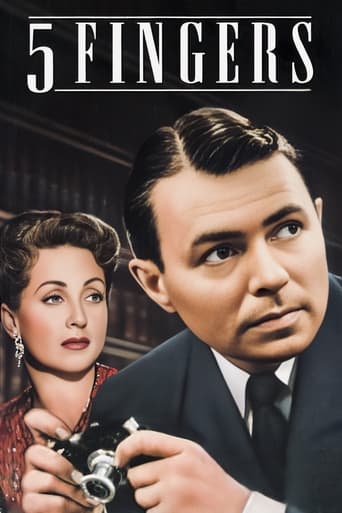
During WWII, the valet to the British Ambassador to Ankara sells British secrets to the Germans while trying to romance a refugee Polish countess.
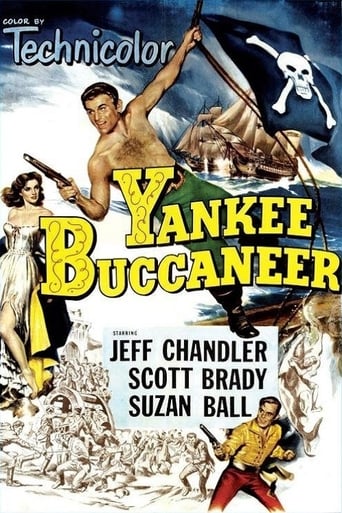
A United States Navy ship in the first half of the 19th century, under the command of Captain David Porter, is expecting to put ashore after a year on the seas; but the arrival of one of Porter's ex-students, the willful and independent Lieutenant David Farragut, brings a new mission: to disguise the ship and crew as a pirate ship and help the Navy locate the criminals who have been robbing America's merchant fleet. But as Farragut's disobedience threatens the safety of the crew, they stumble upon an international conspiracy.
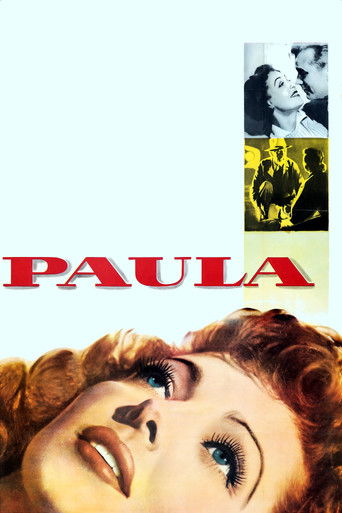
A woman, distraught because of her recent miscarriage, accidentally injures a child in a hit-and-run accident, but she keeps the incident a secret. Overcome with guilt and remorse, she seeks out the child in the hospital and attempts to help him regain his speech, even though, if successful, it might mean he will implicate her for the crime.
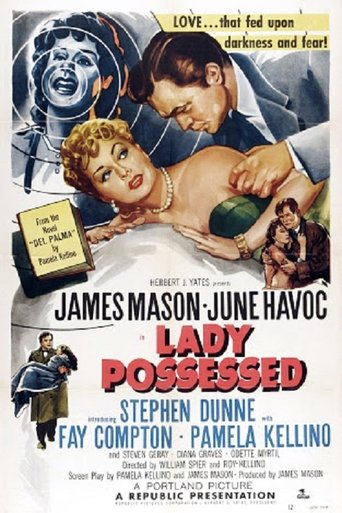
A pianist takes his ailing wife out of a London hospital at the same time that another female patient there has suffered a miscarriage. Afterwards, the second woman feels empty and withdrawn, and, thinking that getting her away from London will help, her husband takes her to live at a country estate, which turns out to be the former residence of the pianist who left after his wife died. The woman begins to get visions of the wife and her final days; is she becoming possessed by the dead wife of the pianist?
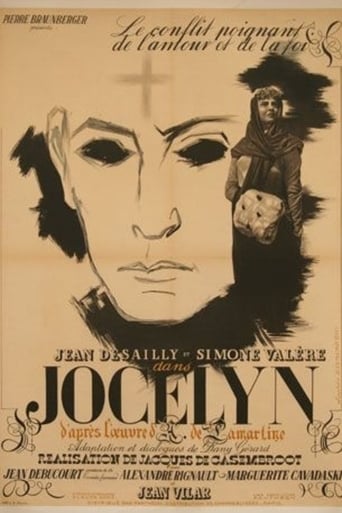
In 1786, Jocelyn entered the Seminary. He leaves his share of the inheritance to his younger sister Julie. In 1793, on the point of being ordained a priest, the Revolution forced him to take refuge in the Alps. There he meets Laurence, first disguised as a young boy. A great friendship binds them which turns into love when Jocelyn discovers the girl's true identity. Yet faithful to the promise he made to the Superior of his Seminary, Jocelyn will not abandon his faith.

Kanji Watanabe is a middle-aged man who has worked in the same monotonous bureaucratic position for decades. Learning he has cancer, he starts to look for the meaning of his life.
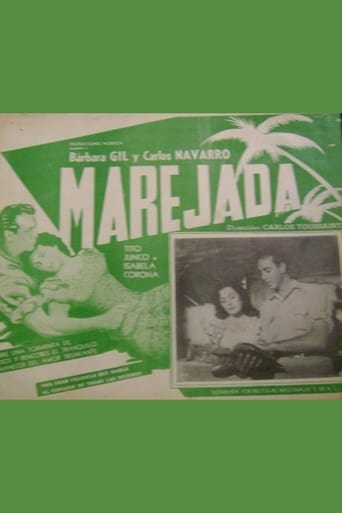
Recently-graduated doctor assigned to a small, backward fishing community.
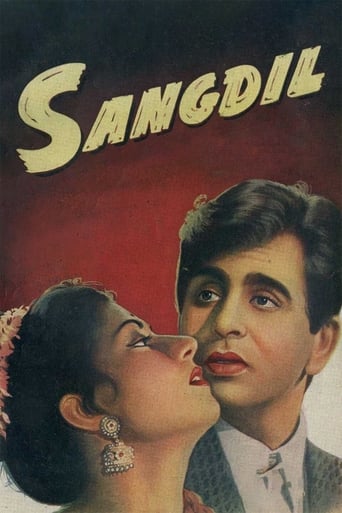
In this loose adaptation of Charlotte Brontë's Jane Eyre, childhood sweethearts Kamla and Shankar are separated and grow up in different worlds. The girl is brought up to be a priestess, while the boy becomes a dejected thakur, turned vindictive by life's injustices. Fate inevitably brings them together again, but Kamla does not know about her beloved's secret.
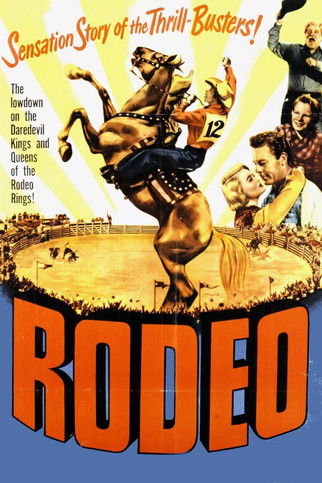
Nancy Cartwright is determined to collect an $1,800 feed bill owed to her father Harry Cartwright by a rodeo association. Instead, she is talked into assuming management of the rodeo by Slim Martin and the other performers when they learn the promoter has run off with the cash receipts.

At the end of the 19th century, during a ball in Joinville, on the outskirts of Paris, Georges, a former delinquent working as a carpenter, meets Marie, a young woman connected to a criminal gang.

The forthcoming wedding of Norma and Armando, a young lawyer, was supposed to be a great and wonderful event for the two, but everything went haywire.
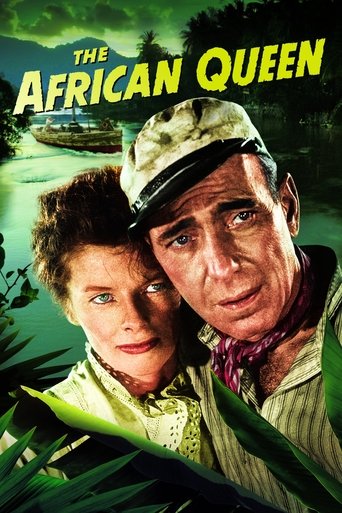
At the start of the First World War, in the middle of Africa’s nowhere, a gin soaked riverboat captain is persuaded by a strong-willed missionary to go down river and face-off a German warship.

Catita is a simple and poor woman who dreams of that her son stands out on something important to help her out of his humble. But she opposes to him being boxer, therefore constantly fighting with her husband.
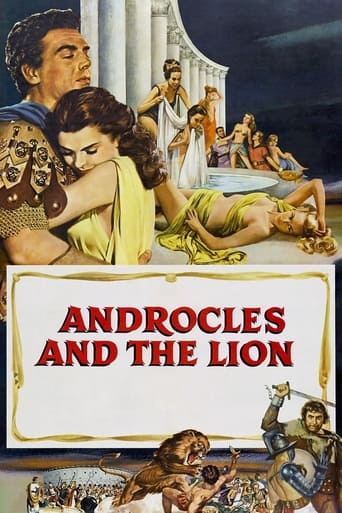
George Bernard Shaw’s breezy, delightful dramatization of this classic fable—about a Christian slave who pulls a thorn from a lion’s paw and is spared from death in the Colosseum as a result of his kind act—was written as a meditation on modern Christian values. Pascal’s final Shaw production is played broadly, with comic character actor Alan Young as the titular naïf. He’s ably supported by Jean Simmons, Victor Mature, Robert Newton, and Elsa Lanchester.

German daily news program, the oldest still existing program on German television.
Four Star Playhouse is an American television anthology series that ran from 1952 to 1956, sponsored in its first bi-weekly season by The Singer Company; Bristol-Myers became an alternate sponsor when it became a weekly series in the fall of 1953. The original premise was that Charles Boyer, Ida Lupino, David Niven, and Dick Powell would take turns starring in episodes. However, several other performers took the lead from time to time, including Ronald Colman and Joan Fontaine. Blake Edwards was among the writers and directors who contributed to the series. Edwards created the recurring character of illegal gambling house operator Willie Dante for Dick Powell to play on this series. The character was later revamped and spun off in his own series starring Howard Duff, then-husband of Lupino. The pilot for Meet McGraw, starring Frank Lovejoy, aired here, as did another episode in which Lovejoy recreated his role of Chicago newspaper reporter Randy Stone, from the radio drama Nightbeat.
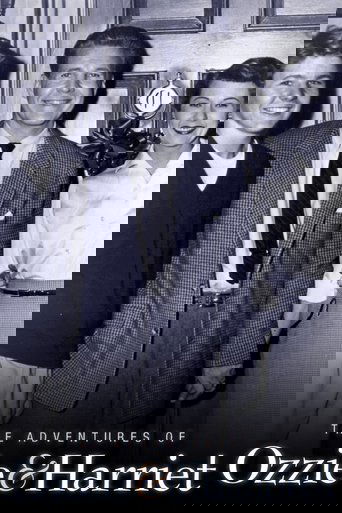
The Adventures of Ozzie and Harriet is an American sitcom, airing on ABC from October 3, 1952 through March 26, 1966, starring the real life Nelson family. After a long run on radio, the show was brought to television where it continued its success, running on both radio and television for a few years. The series stars Ozzie Nelson and his wife, singer Harriet Nelson, and their young sons, David and Eric "Ricky" Nelson. Don DeFore had a recurring role as the Nelsons' friendly neighbor "Thorny".
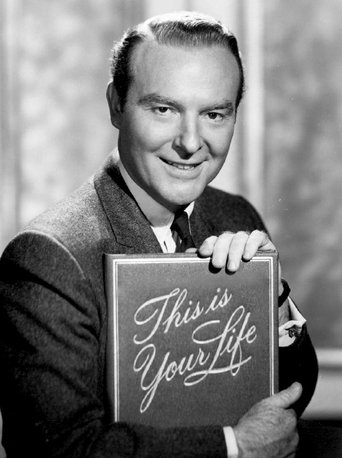
This Is Your Life is an American television documentary series broadcast on NBC, originally hosted by its producer, Ralph Edwards from 1952 to 1961. In the show, the host surprises a guest, and proceeds to take them through their life in front of an audience, including special guest appearances by colleagues, friends and family. Edwards revived the show in 1971-72, while Joseph Campanella hosted a version in 1983. Edwards returned for some specials in the late 1980s, before his death in 2005. The show originated as a radio show on NBC Radio airing from 1948 to 1952.

Guiding Light is an American television soap opera that is credited by the Guinness Book of World Records as the longest-running television drama in history, broadcast from 1952 until 2009, preceded by a 15-year broadcast on radio. Guiding Light stands as the third longest-running program in all of broadcast history; only the Norwegian children's radio program Lørdagsbarnetimen and the American country music radio program Grand Ole Opry have been on the air longer. On April 1, 2009, it was announced that CBS canceled Guiding Light after a 72-year run due to low ratings. The show taped its final scenes for CBS on August 11, 2009, and its final episode on the network aired on September 18, 2009.
Omnibus is an American, commercially sponsored, educational television series.
This show started in New York City, with Broadway actors and actresses. It then moved to Hollywood, California, where Hollywood actors and actresses headed the cast.
A panel tries to determine a contestant's secret: something that is unusual, amazing, embarrassing, or humorous about that person.

Today is a daily American morning television show that airs on NBC. The program debuted on January 14, 1952. It was the first of its genre on American television and in the world, and is the fifth-longest running American television series. Originally a two-hour program on weekdays, it expanded to Sundays in 1987 and Saturdays in 1992. The weekday broadcast expanded to three hours in 2000, and to four hours in 2007. Today's dominance was virtually unchallenged by the other networks until the late 1980s, when it was overtaken by ABC's Good Morning America. Today retook the Nielsen ratings lead the week of December 11, 1995, and held onto that position for 852 consecutive weeks until the week of April 9, 2012, when it was beaten by Good Morning America yet again. In 2002, Today was ranked #17 on TV Guide's 50 Greatest Television Shows of All Time.
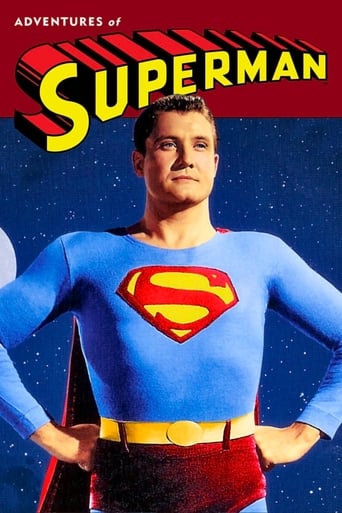
It's a bird! It's a plane! It's a syndicated TV adaptation of the beloved DC Comics superhero! You know the drill: When he isn't fighting for truth, justice and the American way, the man in tights dons a suit and glasses for his secret identity as Daily Planet newspaper reporter Clark Kent, who works alongside friends Lois Lane and Jimmy Olsen for gruff boss Perry White.
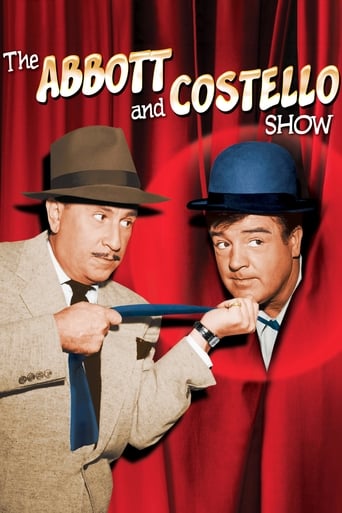
Bud and Lou are unemployed actors living in Mr. Fields’ boarding house. Lou’s girlfriend Hillary lives across the hall. Many situations arise leading to slapstick and puns.
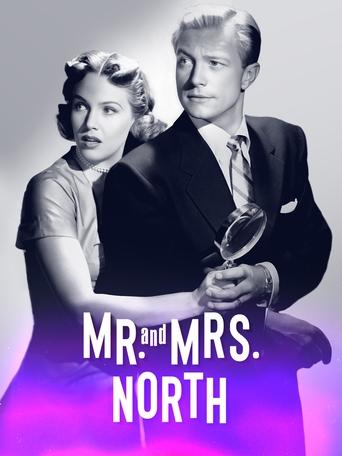
Mr. & Mrs. North is an American comedy/mystery television series that aired on CBS from October 3, 1952 to May 25, 1954. The series centers on Jerry North, a mystery magazine publisher who thinks he is a good amateur detective, and his wife, Pamela, as they solve crimes in New York City.
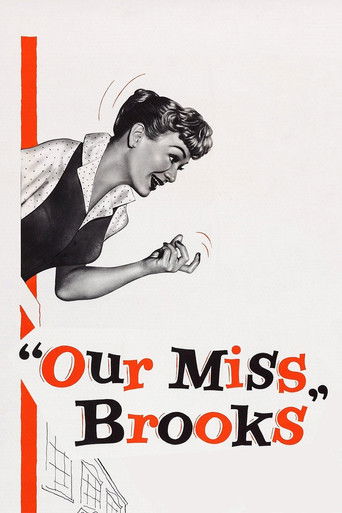
Our Miss Brooks is an American situation comedy starring Eve Arden as a sardonic high school English teacher. It began as a radio show broadcast on CBS from 1948 to 1957. When the show was adapted to television, it became one of the medium's earliest hits. In 1956, the sitcom was adapted for big screen in the film of the same name.
Chevron Theatre is a 30-minute American anthology television series that aired from 1952 to 1954, featuring various dramatic stories with different guest stars in each episode. Notable actors included Natalie Wood, Raymond Burr, and Buddy Ebsen.
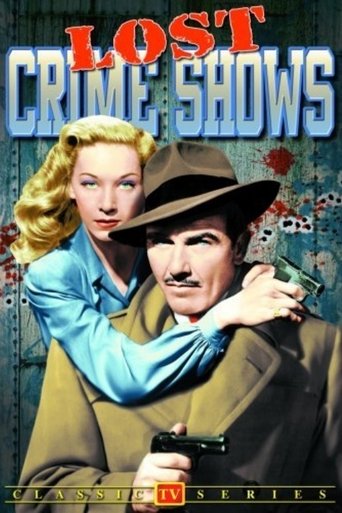
Cavalcade of America is an anthology drama series that was sponsored by the DuPont Company, although it occasionally presented a musical, such as an adaptation of Show Boat, and condensed biographies of popular composers. It was initially broadcast on radio from 1935 to 1953, and later on television from 1952 to 1957. Originally on CBS, the series pioneered the use of anthology drama for company audio advertising. Cavalcade of America documented historical events using stories of individual courage, initiative and achievement, often with feel-good dramatizations of the human spirit's triumph against all odds. This was consistent with DuPont's overall conservative philosophy and legacy as an American company dating back to 1802. The company's motto, "Maker of better things for better living through chemistry," was read at the beginning of each program, and the dramas emphasized humanitarian progress, particularly improvements in the lives of women, often through technological innovation.
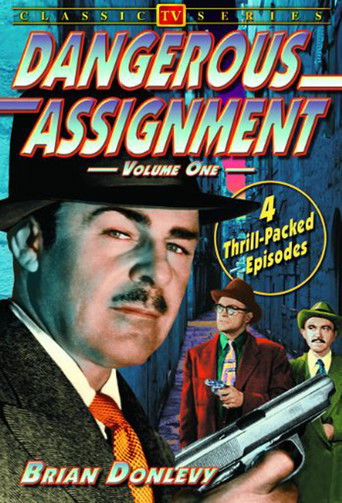
A U.S. government agent travels the world on undercover missions in this 1950s series. Star Brian Donlevy originated the role on radio in the '40s.
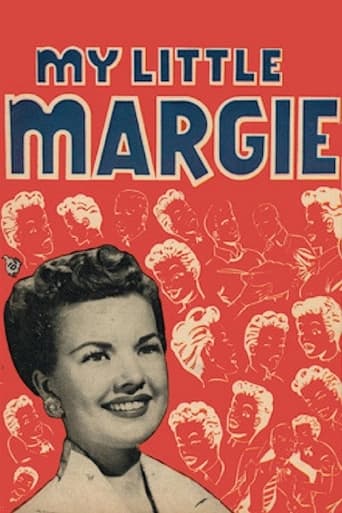
My Little Margie is an American situation comedy starring Gale Storm and Charles Farrell that alternated between CBS and NBC from 1952 to 1955.
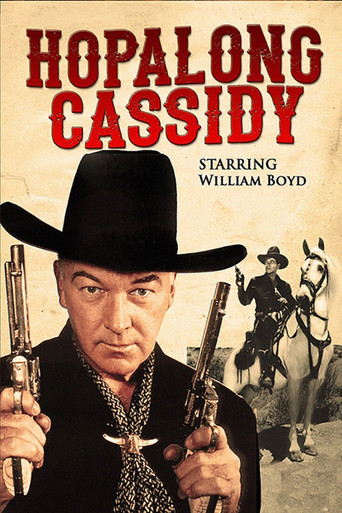
Hopalong Cassidy was television's first western program. The series aired on NBC and stared William Boyd as the cowboy Hopalong Cassidy.
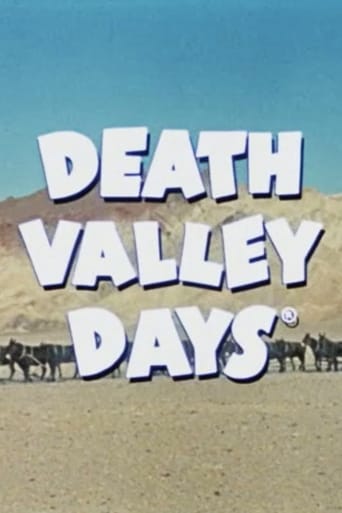
Death Valley Days is an American radio and television anthology series featuring true stories of the old American West, particularly the Death Valley area. Created in 1930 by Ruth Woodman, the program was broadcast on radio until 1945 and continued from 1952 to 1970 as a syndicated television series, with reruns continuing through August 1, 1975. The series was sponsored by the Pacific Coast Borax Company and hosted by Stanley Andrews, Ronald Reagan, Robert Taylor, and Dale Robertson. With the passing of Dale Robertson in 2013, all the former Death Valley Days hosts are now deceased.
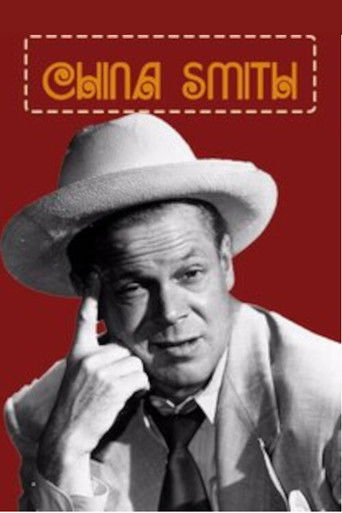
China Smith was a 1950s television adventure series starring Dan Duryea. The television show takes place in Singapore. Much of the cast and crew also worked on the film World for Ransom, which is considered an extension of the television program. Director Robert Aldrich had also directed two episodes of the series. The title character was a soldier of fortune wearing a white suit living in Singapore who would face danger and excitement every week. The series was made with a two-year gap; the first 26 episodes being filmed in Mexico, the second 26 episodes were shot in 1954-1955. In 1959 Daffy Duck played China Jones a parody of Duryea's character.
