کال 1971 - 251

Maypops 1971
A boy, a girl, several horses, a mother, and a nursing baby provide the central focus for a study of movement.
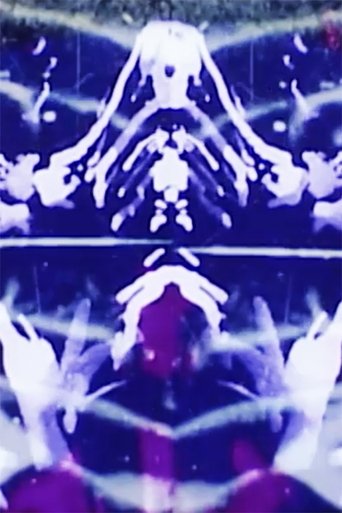
Phosphene 1971
Phosphene features colorful negatives of erotic imagery. Scenes in the film display flashes of sexual intercourse and vibrant inkblots (similar to those seen in Inkaboos). During the creation of this film, Byron was fascinated with the degenerated images in old film footage. He went on to obtain pornographic films shot in 8mm. He photographed individual frames using a still camera with high magnification and further exaggerated the grain and the contrast. Prints of these frames were re-photographed on kodalith negatives and then fastened like animation cels. Colored gels were placed beneath the kodaliths on a light box and the sequences re-animated. The film was screened at the 9th Ann Arbor Film Festival in 1971; however, it was nearly rejected due to its erotic imagery. The music in this film is from the Grateful Dead song, “Viola Lee Blues”, and can also be heard in Fotogrammar. -Chicago Film Archives
The Basement 1971
A documentary art film.
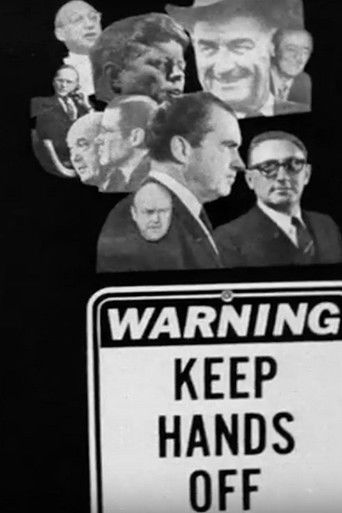
No More Leadershit 1971
Macdonald lays out his theory of anarchy—in its purest sense of a rejection of hierarchy—in this seriocomic short he argues that protesters, police, and soldiers alike are not the perpetrators of violence but are victims at the hands of leaders.

Na torach 1971
A short documentary showing people working on railway tracks.
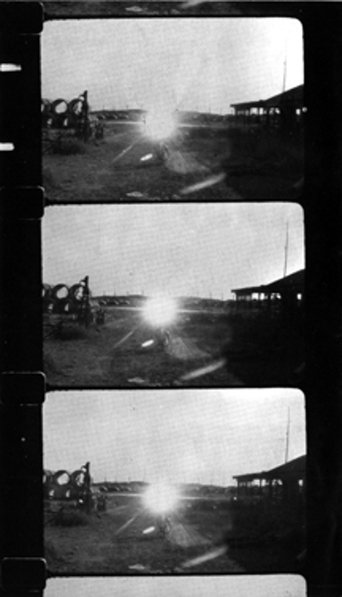
Alchemy 1971
The camera slowly zooms, in over a long period of time, on the light of the sun reflected in the mirror of a bicycle parked at the construction site. To this is added a slowly evolving flicker effect derived from negative-positive reversals, progressively dismantling the distance from the subject. Nakai created a masking film with a calculated pattern of black and white frames into which he inserted positive and negative images and made a print out of two separate rolls of film. The original projection speed was 16 frames per second, but the sound is separate from the open-roll tape rather than burned in, so it can also be screened at 24fps. Also, the original sound consisted of the friction noise of rubbing steel, but in 2019 a new version of the sound was created featuring the friction noise of glass. Two versions of the film exist: 24:15 mins at 24 fps and 40 mins at 16 fps.

Aphrodisiac I 1971
Experimental film by Ian Hugo
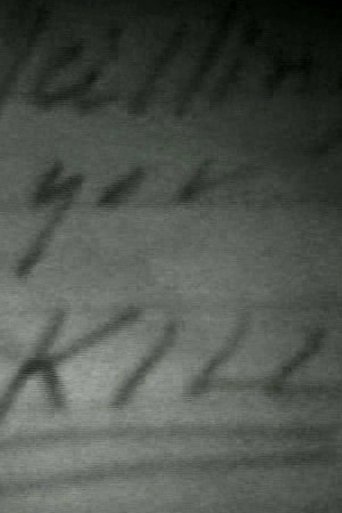
The Valerie Solanas Incident 1971
In 1970 Valerie Solanas was released from a mental institution, two years after shooting Andy Warhol. Still unstable, she moved into the Chelsea Hotel where she penned a death threat to Michel Auder and his wife Viva. Using a soundtrack by Wagner, Auder surveys the handwritten evidence of Solanas's threat, before reciting its threatening prose melodramatically.

Kohlen für die Naunynstraße 1971
A "poor" family who can no longer pay their rent. Together with other "poor people", they think about how poor people can help themselves. The only option they see is to rob a bank...
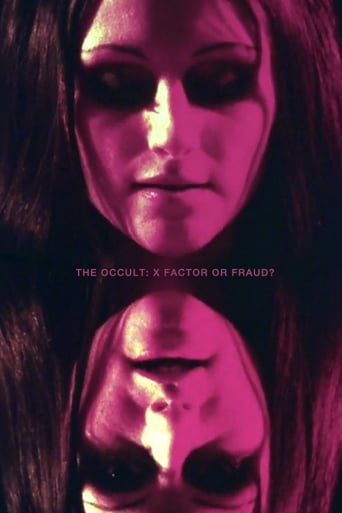
The Occult: X Factor or Fraud? 1971
Surveys growing interest, especially among young people, in the occult, black and white magic, mysticism, and witchcraft. Interviews writer Colin Wilson, and shows a self-proclaimed New York Witch, a professor who claims that occultists are frauds and another who taught a course on witchcraft; also includes a high priestess of the New Jersey First Church of Satan.
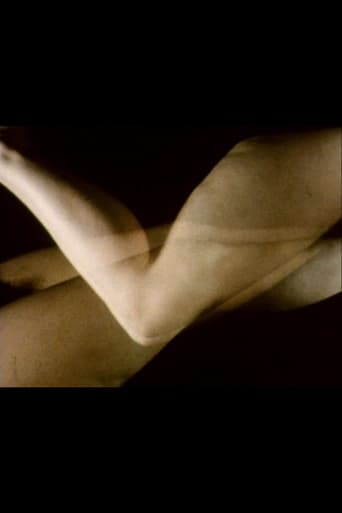
Iris 1971
Women's bodies are presented as ambiguous erotic landscapes, sometimes classically baroque, sometimes cubistic visions in a distorted reflection, depending on the camera angle and shot size. Finally the female flesh frees itself to the accompaniment of electronic smacking noises and, ignoring all gender borderlines, unites with itself in Cronenbergesque growths.

Analytical Studies I: The Film Frame 1971
A set of short pure color studies, usually exploring one dominant hue. Most of these works were studies for longer projects. The last four "migraine" studies are rhythmically based around the five-cycle-per-second oscillation pulse of the typical fortification illusions preceding a migraine attack; this onset period, with its visually dynamic effects, is reported to be a quite vibrant and enjoyable state.

The Pacific Ocean 1971
Shot on 8mm on the 12-day boat journey between Yokohama and San Francisco, Iimura's The Pacific Ocean consumes the anticipation and uncertainties of a voyage on waves with an obsessive attention on the ripples. (Julian Ross)

Listen To Fairy Tale 1971
The film tells about how on the Leningrad radio programs were created for children, about how the child perceives a fairy tale told on the radio. The film features the Honored Artist of the RSFSR, known to all Leningrad children Maria Petrova and People's Artist of the USSR Alexander Borisov.
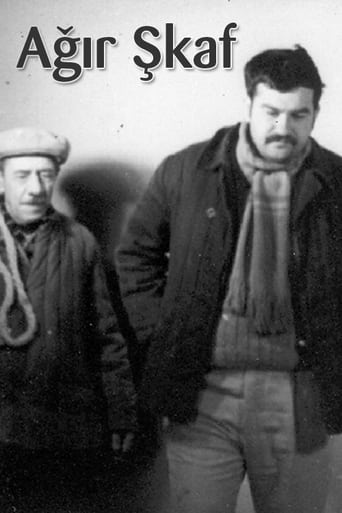
The Heavy Closet 1971
The film is about freight handler's life.

Anything You Want to Be 1971
A teenager's dreams collide with social expectations and gender-based stereotypes when she finds that, despite her parents' assurance that she can be ‘anything she wants to be’, reality presents another story. One of the first and most widely used consciousness-raising films of the growing Women’s Movement, this film helped give voice to a generation of women whose expectations, opportunities and career choices were extremely limited.
Microcultural Incidents in Ten Zoos 1971
Film by Ray L. Birdwhistell produced by the Eastern Pennsylvania Psychiatric Institute
The Little Men of Chromagnon 1971
Children will delight in this introduction to primary colours and their combinations--an animated film in which little elf-like creatures make all the discoveries. They emerge from three circles painted red, yellow and blue. When they venture into a circle of another colour they find that they, too, change colour. Their every movement and posture is designed to convince and amuse.

The Now 1971
"These are my past lives when my lovers were black and my lovers were white, when I was male and when I was female." A reincarnation.

