
On the Road to Camardie 1971
Camargue, south of France. In the middle of the swamps, birds and bulls are the only inhabitants in one of the last surviving wildernesses in France.
Camargue, south of France. In the middle of the swamps, birds and bulls are the only inhabitants in one of the last surviving wildernesses in France.

Focuses on the actions of FBI agent provocateur Thomas Tongyai—aka Tommy the Traveler—who infiltrated branches of the SDS movement at Hobart College and other colleges in upstate New York in 1969–70.
THE VESTAL THEATRE is a documentary shot in the lobby of a movie theater from behind the candy counter. The camera was turned off only when it ran out of film. It was shot sync-sound fixed camera. The movie goers could see the camera clearly (no Allen-Funt cute). Like Monet's cathedral, this same image would never have been the same again. The image is composed of complex, multilayered planes of focus. And I love the way people ask for popcorn and tap their dollar bills. Film time and real time are the same.
"Used as creative writing stimulus, elementary and high school. Has been likened to a journey into inner/outer space." -RS
A Super8 of desecrating and captivating animation, made by one of the greatest representatives of the Italian "art film".

A short film about ants and their everyday activities. The audio of the film is currently lost.
The film follows two workers in industrial factories from Jena and Leningrad (modern day’s St. Petersburg) and asks them about their expectations for the future. There is a focus on the personal experience, but also politics and society are openly addressed.
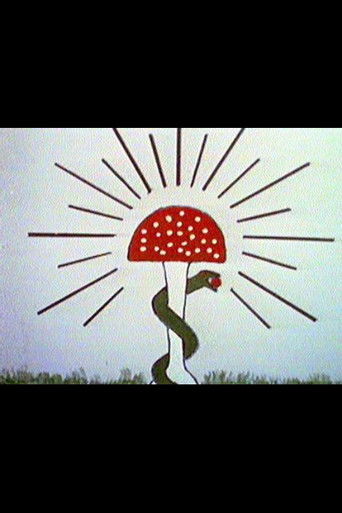
A film animation experiment in metaphoric imagery. This is a surrealistic garden where the earth seethes with strange, unusual shapes and activity, accelerated in movement, compressed in time. Insect-like creatures dart under and over the sand with elusive swiftness; Picasso-like faces stare momentarily upward, mutate, and disappear; wilted blossoms become suddenly animated. What happens on the screen is punctuated and accompanied by synthetic sound effects.
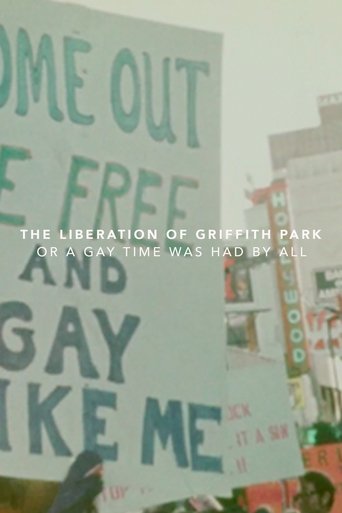
A twist on the hippie movement’s spirited outdoor gatherings, Los Angeles’ first “Gay-In”s took place in Griffith Park in the early 1970s. This short is a rare document of both the visions of revelry and bypassing voices of dissent as gays and lesbians first began to publicly celebrate their identities.
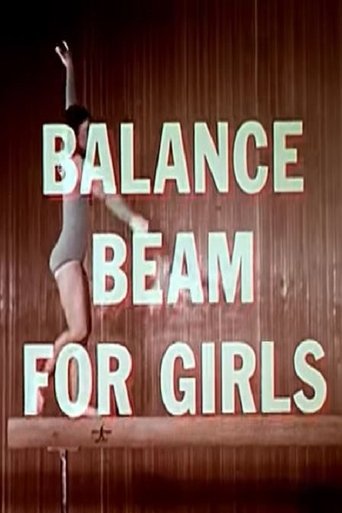
Portrays a combination of mounts, dismounts, floor skills and a variety of stunts ranging from beginning, medium to superior difficulty. Demonstrates spotting techniques. Includes combined movements for useful beam routines.
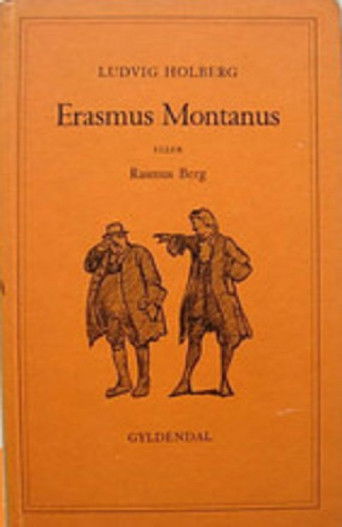
Danish farmer’s son Rasmus Berg has been given a costly education in Copenhagen, and when he returns, he speaks Latin to his parents, and Latinises his name as Erasmus Montanus. He wants to “dispute”, and goes on to “prove” a number of absurdities, such as that his mother is a rock. He is contrasted to his brother Jacob who is only interested in knowledge which of practical application.
Part of the Highlights Of The Ann Arbor Film Festival at the Whitney Museum's New American Filmmaker series, Ad Hominem is a political satire made with repetition, again and again rerunning a few TV images of President Nixon's face.
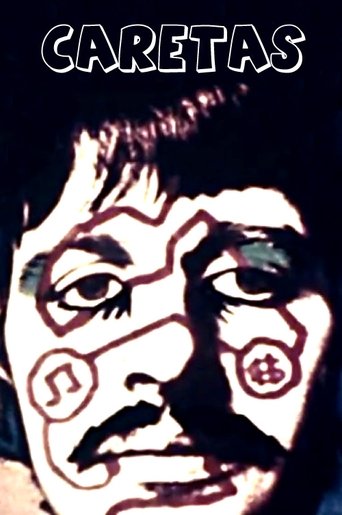
INT operating theatre, man is wide awake while he has an operation, acupuncture as anaesthetic. Fruit spooned into patient's mouth. Man gets up and walks out of room after operation. Patient interviewed after operation says he didn't have much pain.
Follows the experiences of two brothers and their little sister as they explore the inside of a large empty house which is rumored to be haunted.
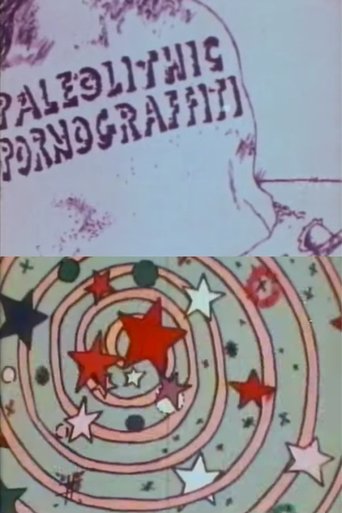
Paleolithic Pornograffiti is about a prehistoric man who learns how to whack, is shown how to fuck, and sets out to try
The Videofreex had several experiences with the Black Panther Party, including interviewing Illinois Chapter Deputy Chairman Fred Hampton and New Haven Minister of Information Cappy Pinderhughes. In this tape, recorded on March 5th 1971, the Videofreex one-person camera crew Bart Friedman is walking the hallways of CBS, trying to find out where a video statement by Black Panther Eldridge Cleaver is located. The shots are mostly close up on people’s torsos and there is some image loss, but the sound is intact. The tape has an eerie espionage feel. There is a conflict between station personnel and Bart: they keep telling him, “You can’t tape in here.”
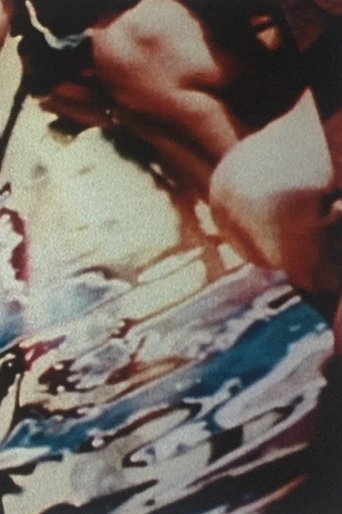
"Abstraction deals with the interpretation of abstract form as found in the combination of the nude body, landscape, and objects. Imagery is achieved through visual distortion dealing with reflective surfaces, as well as the superimposition of subject matter. The rhythmic structure focuses on a pulsating expansion and contraction that simulates a life force. An attempt has been made to reveal the basic concepts of a painter's approach to the distillation of reality." —Rosalind Schneider
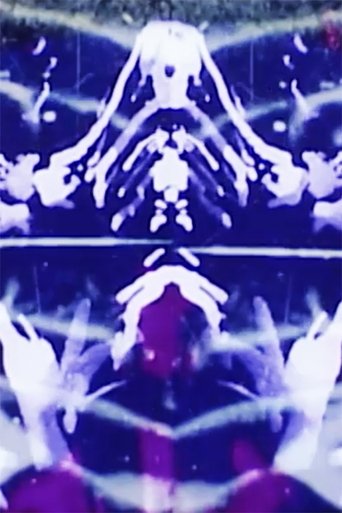
Phosphene features colorful negatives of erotic imagery. Scenes in the film display flashes of sexual intercourse and vibrant inkblots (similar to those seen in Inkaboos). During the creation of this film, Byron was fascinated with the degenerated images in old film footage. He went on to obtain pornographic films shot in 8mm. He photographed individual frames using a still camera with high magnification and further exaggerated the grain and the contrast. Prints of these frames were re-photographed on kodalith negatives and then fastened like animation cels. Colored gels were placed beneath the kodaliths on a light box and the sequences re-animated. The film was screened at the 9th Ann Arbor Film Festival in 1971; however, it was nearly rejected due to its erotic imagery. The music in this film is from the Grateful Dead song, “Viola Lee Blues”, and can also be heard in Fotogrammar. -Chicago Film Archives
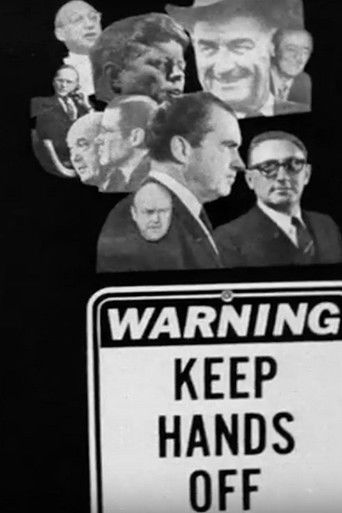
Macdonald lays out his theory of anarchy—in its purest sense of a rejection of hierarchy—in this seriocomic short he argues that protesters, police, and soldiers alike are not the perpetrators of violence but are victims at the hands of leaders.
