Palavra-chave Maghreb

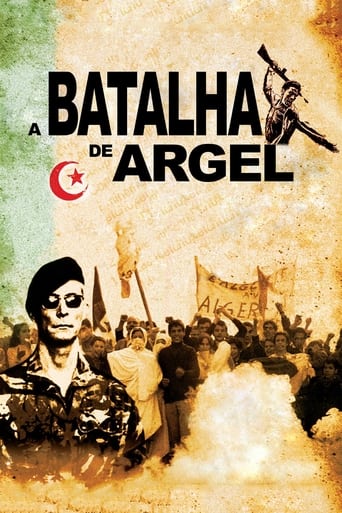
A Batalha de Argel 1966
Os eventos decisivos da guerra pela independência da Argélia, marco do processo de libertação das colónias francesas na África. Entre 1954 e 1957 é mostrado o modo de agir dos dois lados do conflito, a Frente de Libertação Nacional e o exército francês. Enquanto o exército usava técnicas de tortura e eliminava o maior número possível de rebeldes, a FLN desenvolvia técnicas não-convencionais de combate, baseadas na guerrilha e no terrorismo.

الشيخ بوعمامة 1985
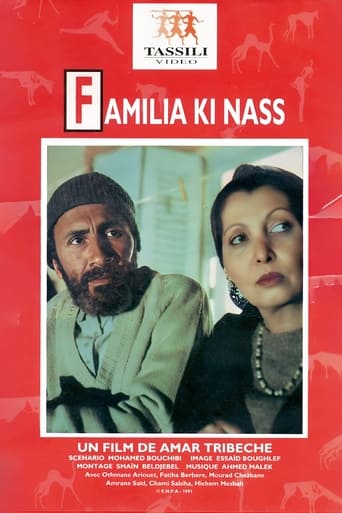
عائلة كي الناس 1990
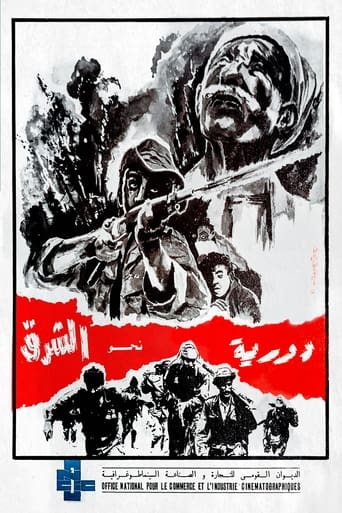
Patrouille à l'Est 1971
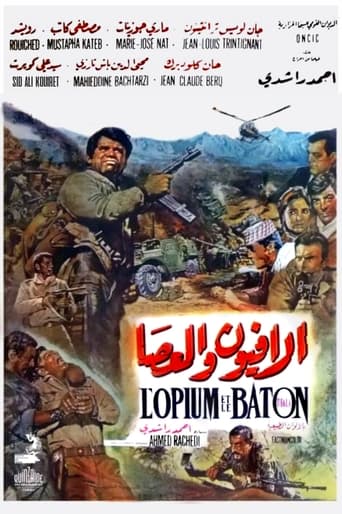
L'Opium et le Bâton 1970
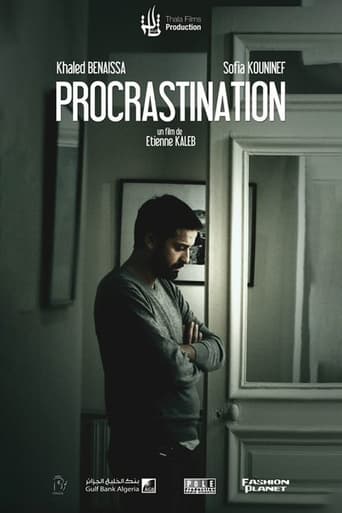
Procrastination 2011
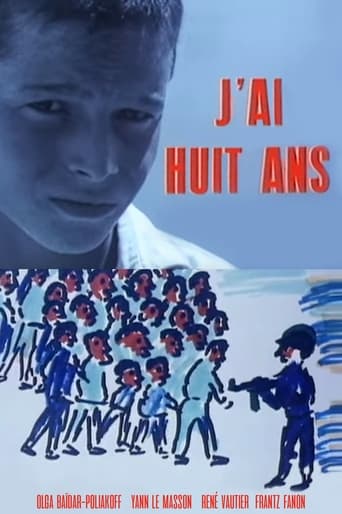
J'ai Huit Ans 1962
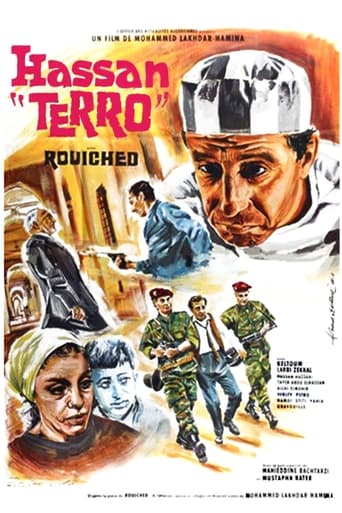
Hassan Terro 1967
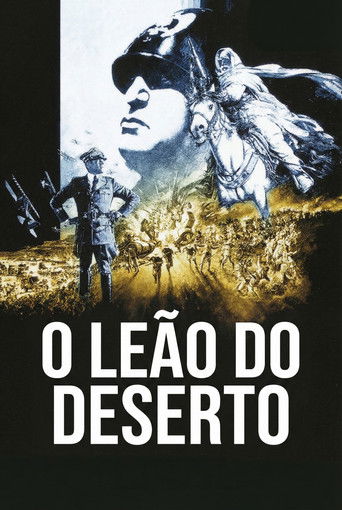
O Leão do Deserto 1981
Em 1929, Mussolini decide acabar com a resistência líbia contra a colonização italiana, que já dura há vinte anos e é liderada por Omar Mukhtar, um caudilho a quem nunca ninguém viu. Para isso, envia o general Rodolfo Graziani para África com uma missão simples: exterminar os resistentes e todos os seus apoiantes, sem olhar a meios, e capturar ou matar Mukhtar.
La Renégate 1948
C'Est Pour Demain 1961
La Dernière Reine 2023
A Propos D'Un Crime 1967
L’Incendie (El Harik) 1974
In 1939 in eastern Algeria, Omar, a young boy of ten, lives with his family in a room in Dar Sbitar, a house shared by several families who overcome the trials they go through every day to ensure their subsistence. Her deceased father is Aïni, the mother, who bleeds herself from all four veins to keep her children and their grandmother alive. The families of Dar Sbitar share their intimacy and their daily life, this life animates the big house, which itself becomes a character in its own right. "El Harik" (The Fire), is an Algerian drama series in 10 episodes adapted from Mohamed Dib's trilogy "The Big House", "The Fire" and "The Loom".
L'Algérie des chimères 2001
Through the fictionalized lives of two young Saint-Simonians, this television film presents the history of French colonization in Algeria from 1837 to the end of the Second Empire.
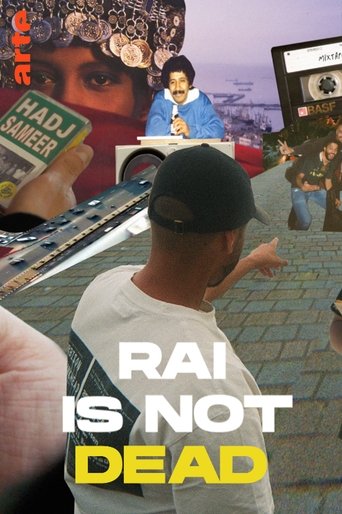
Raï Is Not Dead 2023
What musical genre can claim to have gone, in the space of fifty years, from a hidden cabaret in Oran to Super Bowl halftime? Born in Algeria at the end of the Second World War, the raï wave spread from the cabarets of western Algeria to the cassette shops of Barbès in Paris, before sweeping the world at the end of the 1980s. its hybridization, the intoxicating music traveled from Algerian and French weddings to the biggest international stages, before suddenly disappearing from the radar at the dawn of the new millennium. Icons that have disappeared, including Cheikha Remitti and Prince Hasni, to young heirs, passing by the star Khaled, the collector Hadj Sameer trace the tumultuous course of this musical genre, between clandestinity, planetary glory and resistance.
Algérie secrète 2020

