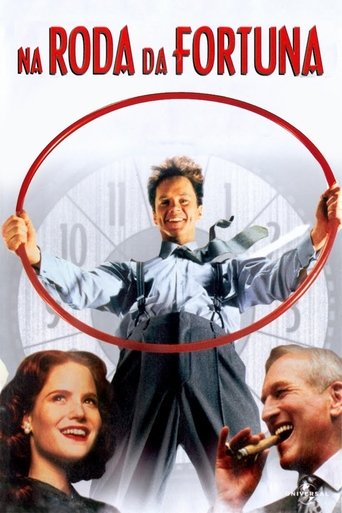
O Grande Salto 1994
Um ingénuo licenciado em gestão é nomeado presidente de uma empresa de produção no âmbito de um esquema de fraude com acções.
Um ingénuo licenciado em gestão é nomeado presidente de uma empresa de produção no âmbito de um esquema de fraude com acções.
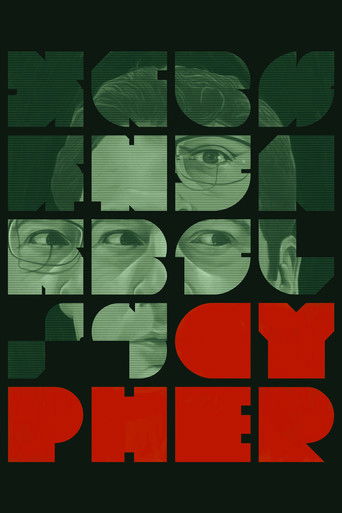
Morgan Sullivan (Jeremy Northam)é um contador desempregado que está paralisado com sua vida infeliz no subúrbio ao lado de sua esposa dominadora. Sullivan é um homem pacato, que sonha em navegar livremento pelo mundo. Buscando uma saída para sua vida sem sentido, ele decide juntar-se à multinacional Digicorp para trabalhar como espião. Com uma nova identidade, ele espiona empresas, gravando grava suas atividades e transmitindo as informações para Ed Finster (Nigel Bennet), seu chefe inescrupuloso. Logo ele percebe que é apenas uma peça de um enorme plano e quer livrar-se da enrascada em que se meteu. A única pessoa que pode ajudá-lo é a misteriosa Rita (Lucy Liu).

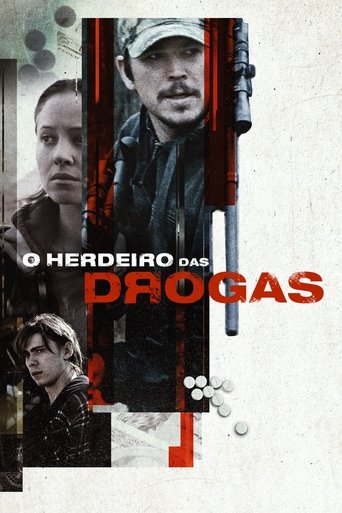



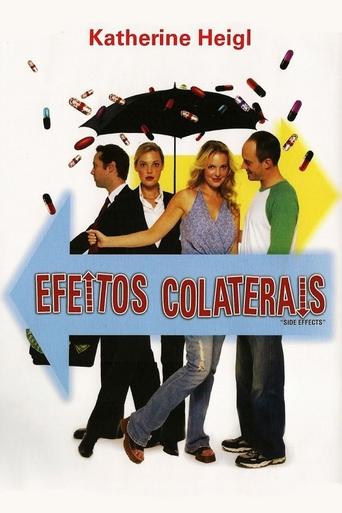
Carly passou seus 10 anos vendendo drogas...legalmente. Apesar dos conflitos sobre os valores entre a indústria farmacêutica visando lucro ás custas dos pacientes, ela foi seduzindo pela lucrativa América corporativa. Zach convence Karly a ser leal e seus valores e sair desse emprego lucrativo e vazio. Enquanto o relacionamento deles se desenvolve, karly cria um plano para sair dessa. Mas nunca é tão facil quanto parece.
Paddy McGuinness and Cherry Healey get exclusive access to some of the largest factories in Britain to reveal the secrets behind production on an epic scale.
Seven Wonders of the Industrial World is a 7-part British documentary/docudrama television miniseries that originally aired from 4 September 2003 to 16 October 2003 on BBC. The programme examines seven engineering feats that occurred during the Industrial Revolution.
The stories behind innovations such as TV, radio, phones, airplanes, motorcycles and power tools as well as the inventors including Nikola Tesla, William Harley, Alexander Graham Bell, Duncan Black and Alonzo Decker.

Britain is connected by miles of roads, canals, and railway. This series explores the history of how we get around this ancient island.
Tony Robinson goes for a walk through some of Britain's beautiful and historic landscapes.

Half-hour program on the "real-life adventure" of big business. Newsman Eric Sevareid, who served as host, described the series as neither "chamber of commerce boosterism" nor anti-establishment; rather, "an effort to report how various industrial sectors actually work."
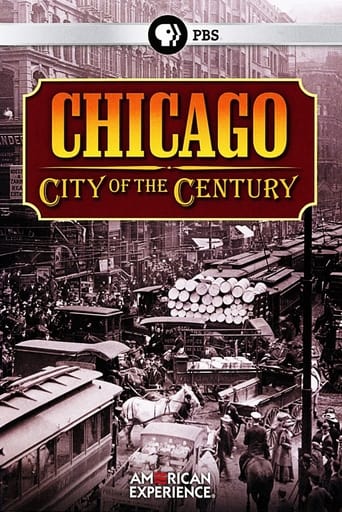
In just 60 years Chicago grew from a remote, swampy frontier town into one of the most explosively alive cities in the world. Captains of industry built empires through innovation, ingenuity, determination, and sheer ruthlessness, while the labor of millions of working men and women -- most of them immigrants from Ireland and Northern Europe -- helped reinvent the way America did business.
Industry on Parade is a decade-long syndicated industrial television series produced by the National Association of Manufacturers, originally in collaboration with NBC and later by Arthur Lodge Productions. From 1950 to 1960, weekly episodes presented engaging short documentaries that highlighted U.S. industrial innovation, manufacturing processes, and business developments. Widely distributed to stations and educational outlets, the series promoted technological progress and American enterprise during the early Cold War era.
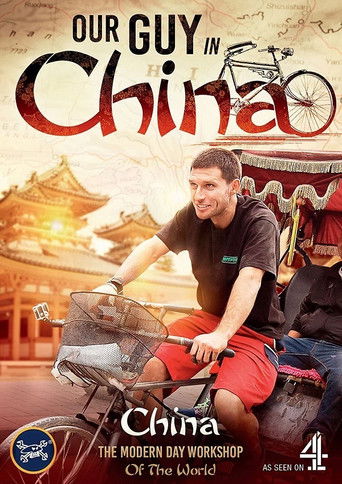
Guy Martin's love of industry and endeavour leads him to China, where he reveals the unseen side of its innovation, technological development and gigantic manufacturing.
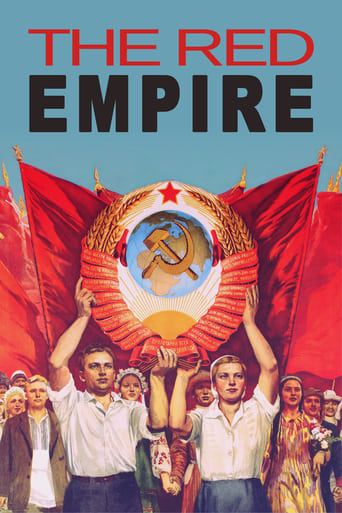
The story of an empire: From its founding in 1922 to its dissolution in 1991, the Soviet Union was shaped by revolutionary idealism, but also by oppression and decay. The USSR evolved from Stalinist terror through the Thaw under Khrushchev to political processes such as glasnost and perestroika under Gorbachev. Finally, in 1991, it collapsed.
The birth and development of the Industrial Revolution is explored by visiting factories, mines, and other industrial relics where the modern world was made -- not by statesmen and philosophers, but by men, women and children with dirt on their hands.
