
Chinese Magic 1900
Trick film. A stage magician transforms a woman into a butterfly and himself into a giant bat. This film is considered lost.
Trick film. A stage magician transforms a woman into a butterfly and himself into a giant bat. This film is considered lost.
Directed by Robert W. Paul.
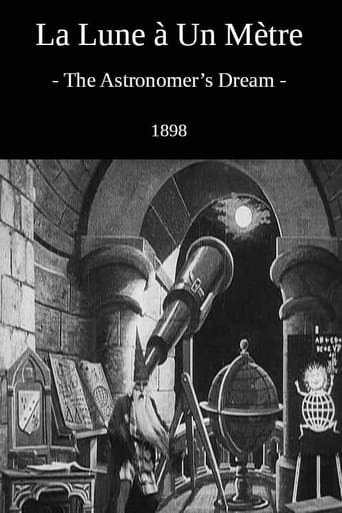
An astronomer has a terrifying dream.
"Nothing new, but an old thing done over again and done well. Some one has attempted to describe a kiss as "something made of nothing," but this is not one of that kind, but one of those old fashioned "home made" kind that sets the whole audience into merriment and motion, and has always proven a popular subject. It is very fine photographically and an exhibit is not complete without it." -Edison film catalog.
Shots of the panorama, filmed from the winding railroad tracks that stretch along the coast, from Beaulieu to Monaco, including tunnel passages.
A group of people exiting an enormous carriage.
Directed by Robert W. Paul.
Consisting of a single shot, Spiders on a Web is one of the earliest British examples of close-up natural history photography. Made by one of the pioneers of the British film industry, G.A. Smith, this short film details spiders trapped in an enclosure, and despite the title, does not actually feature a web.
Aboard the 'Tonkin' - jumping rope.
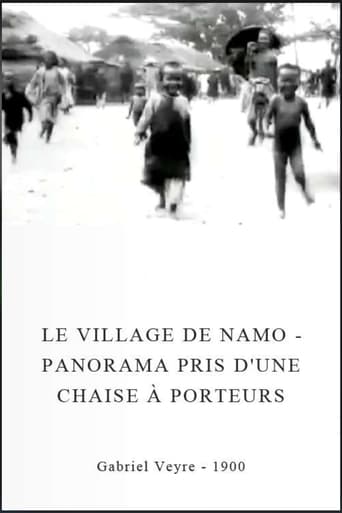
The film is a panorama shot-scene lasting just under a minute. The panorama film, as coined by Lumière, is a moving-camera shot--usually accomplished by placing the camera on a moving transport, such as a boat or train.
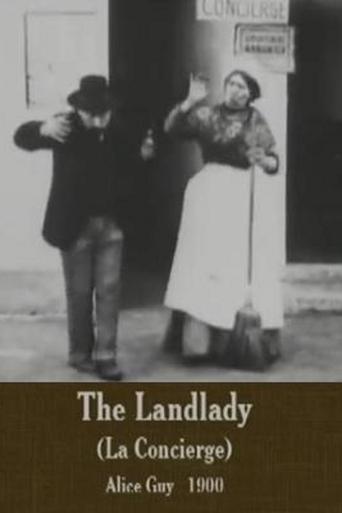
A landlady is taunted by neighborhood kids.
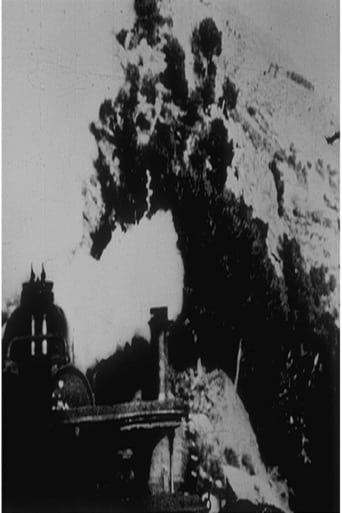
Shots of the panorama, filmed from the winding railroad tracks that stretch along the coast, from Beaulieu to Monaco, including tunnel passages.

A divinely inspired peasant woman becomes an army captain for France and then is martyred after she is captured.

A machine churns out sausages on one side and spits out hats on the other. The director of this film is not credited in any contemporary catalogues or trade publications, or attributed to anyone by scholars or primary sources.
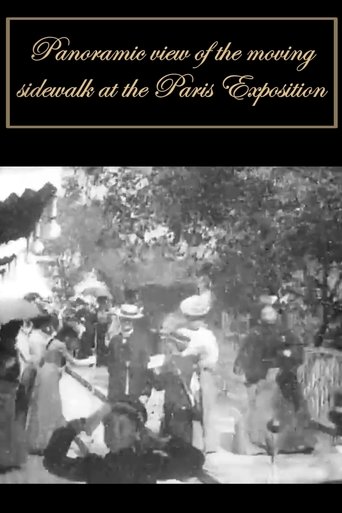
Two silent films capture a panoramic view of the 'Rue de l'Avenir', an electric powered moving walkway displayed at the Exposition Universelle in Paris (1900).
Elaborate floats and costumes parading the streets of Nice.

Sherlock Holmes enters his drawing room to find it being burgled, but on confronting the villain is surprised when the latter disappears.
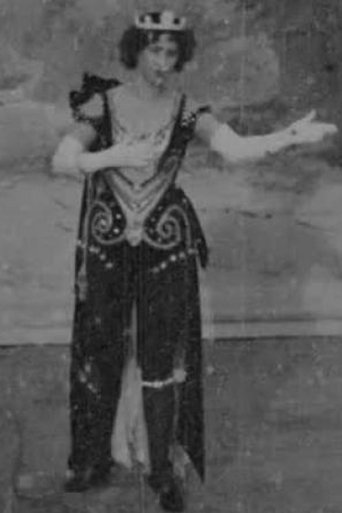
Walter Gibbons was one of Britain's most forward-thinking film entrepreneurs, and deeply entranced by the music hall. In 1900 he launched his 'phono bio tableaux', which synchronised songs recorded by famous music stars on disc with a film of the performance. Sadly, all but one of the films are lost, making this last survivor a unique record of a major Victorian music hall star in sound and vision, as well as the oldest British 'sound film', nearly thirty years before the 'talkies' arrived. Lil Hawthorne, who performs this song, was a well-known American singer, often adopting a male persona, although she was not strictly a male impersonator.
A Lumière Brothers short film.
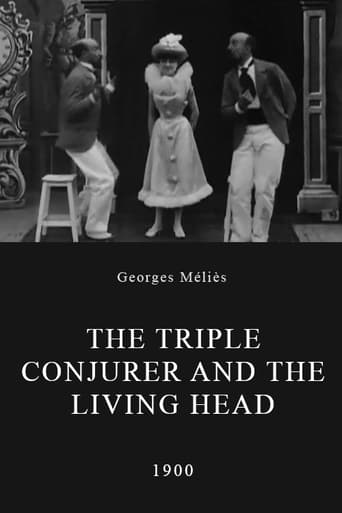
A conjurer (along with two duplicates) conjure up (and then cause to vanish) a beautiful woman head-first.
