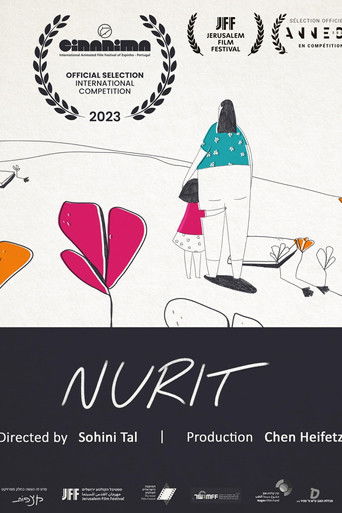
Nurit 2023
Nurit walks us through her journey into motherhood, which begins with a silent birth, continues to fertility treatments, and ends up with fixing the Eilat cemetery, where she finds closure.
Nurit walks us through her journey into motherhood, which begins with a silent birth, continues to fertility treatments, and ends up with fixing the Eilat cemetery, where she finds closure.

The agents of the Jewish General Security Services (SHABAK) are known as "Moses' Spies". This film addresses recruiting undercover agents to infiltrate and assimilate into outposts suspected of hostile subversion.

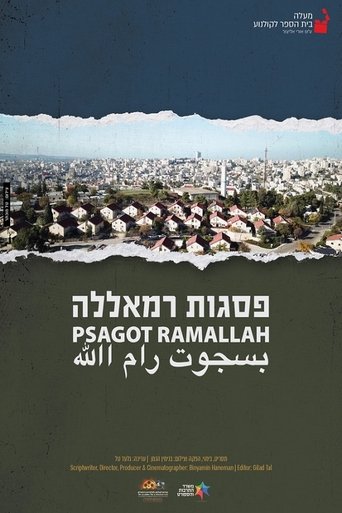
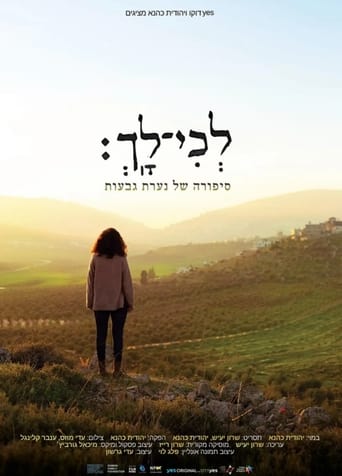
Binyamin Haneman's graduation project is dedicated to his homeland — the Israeli settlement of Psagot, situated on the border with Ramallah and Palestinian villages. Using a camera, old photographs, and conversations with two other individuals from Psagot — poet and writer Yonatan Berg and artist Yifat Steinmetz — the director reconstructs the history of the place where, during their childhood, there were no fences with barbed wire and armed militants on the border between the two countries. He remembers how in 2000, at the start of the Second Intifada (escalation of the Israeli-Palestinian conflict), the town rapidly transformed into a site of deadly conflict between two nations, ideologies, and religions.
Meitar Libi Flam's student work is a lyrical self-portrait of the 26-year-old filmmaker, woven from dreams and fantasies, words, music, and visual images. Flam believes that art helps formulate and convey the most hidden feelings that otherwise remain unreflected, causing restlessness and anxiety. In this sense, the artistic form serves as a way to delve deep within oneself and holds a therapeutic function. The film by Flam reached the semi-final stage of the Student Oscars (2021) and was also honored with a special mention by the jury at the Bordeaux Short Film Festival (2022).
Come meet the people who made food the essence of their lives and their whole world revolves around food, people who are even willing to travel to the other side of the world to taste the most delicious food there is
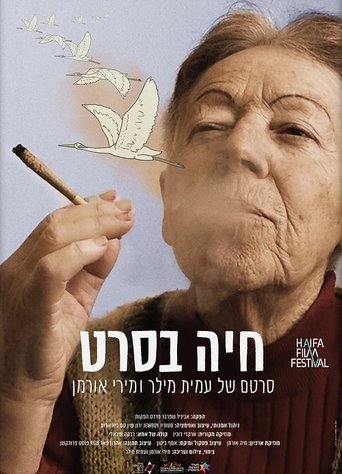
Grandma Haya decides to stop eating, stop taking her medication, and begins organizing her farewell party from life. Her friends and family try to dissuade her, but Haya is adamant about her decision.
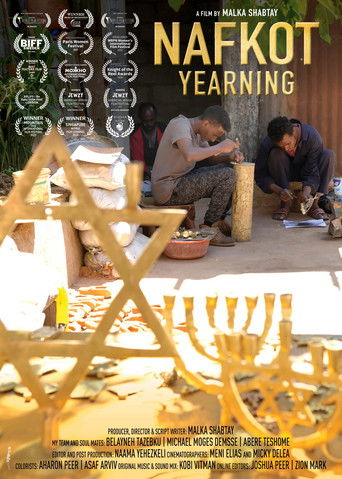

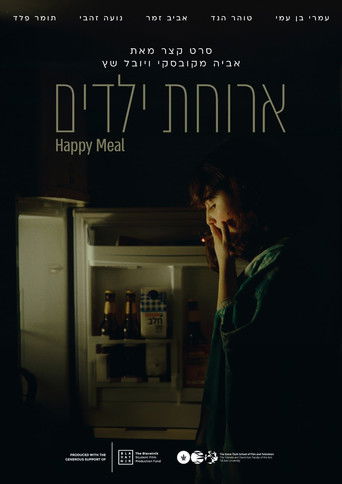
The story of a brother and sister who run away from their violent home and are dragged into a chain of events that leads them to learn about closeness, responsibility and patience.
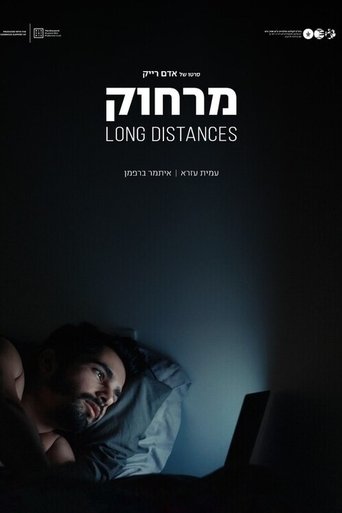
During quarantine, a long-distance couple tries to save their relationship by inviting "proxies" for a foursome over video-call. Instead of getting closer, loneliness and jealousy brings them further apart.
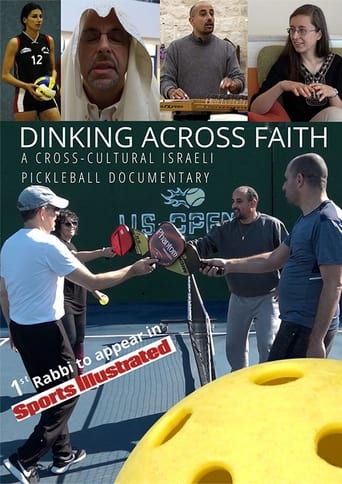
Pickleball, a racket sport similar to tennis, has become a worldwide cultural phenomenon throughout the last couple of decades. This documentary follows professional and amateur pickleballers in Haifa from different backgrounds--Muslim, Christian and Jewish--as they discuss how they put their differences aside to come together as a community.
The story of several young Slovakian women who were taken in the first transports to Auschwitz in April 1942. The three survived three years of hell, torture, starvation, and daily fear of death. This is a story of heroism, astounding strength of survival, hope, faith in life, and above all, heaps of luck.
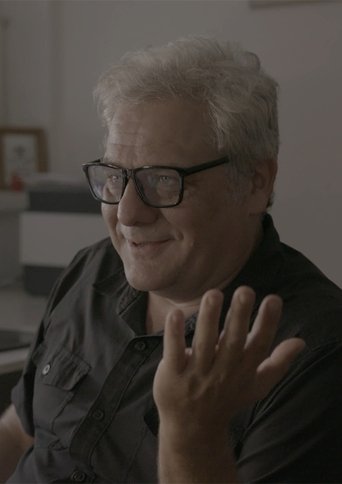
The film portrays the renowned illustrator of Ukrainian origin, David Polonsky, during his work on a new children's book. Along with his masterpieces: "Waltz with Bashir" (Winner of the Golden Globe) "The Congress" (Winner of the European Film Awards) and "Anne Frank's Diary: The Graphic Adaptation" (Which was published all over the world) the film also depicts Polonsky's own intimate world as a child who immigrated to Israel from Kyiv and as an artist who's art explores identity and roots. This film is part of "The Artists from Kyiv" duo.
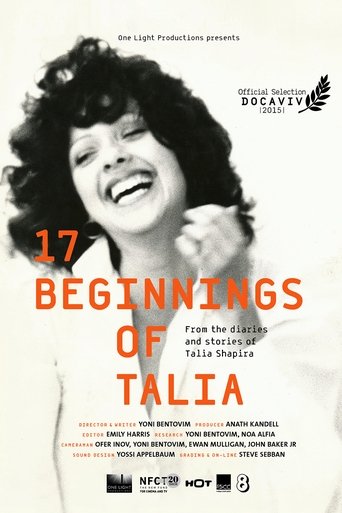
Twenty-five years after the death of actress Talia Shapira, her son begins a journey to retrace her life. He combs through the vast belongings his mother left behind – diaries, stories, films, audio tapes – as he peels his memories layer by layer, finally arriving at the most significant moment in their relationship: Talia’s last days. Seventeen chapters of observation constitute an abstract and emotional mosaic, an intense investigation into the essence and meaning of a dialogue between mother and son – a dialogue that transcends words and time. The unique way in which the director has chosen to describe this process of deciphering his mother’s life poignantly conveys both the need as well as the inherent difficulities to connect incidental moments of our lives into meaningful stories.

As a young ultra-Orthodox Jewish woman, Gila struggles to find her own way in the cramped apartment where her large family lives in a religious neighborhood of Jerusalem. A nightly pilgrimage to the tomb of Rachel the Matriarch, a sacred place in Judaism and a symbol of femininity, and a love affair with a deaf-mute man, will be her path to self-determination.
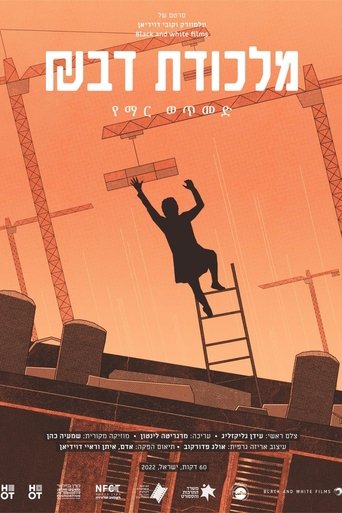
The Kiryat Moshe neighborhood on the outskirts of Rehovot is home to a large Jewish Ethiopian community. Nowadays a national priority construction evacuation project guarantees the residents a safe exit from the neglected and poor ghetto. Hana, a single mother who is worries about her teenage son, jumps at the opportunity for a change that will keep him away from drug dealers in the neighborhood. She joins Kevret, a young and idealistic, head of the tenants' committee, in leading the neighborhood residents. They embark on an 8-year wish for change, through the bureaucratic paths of politicians and real estate sharks.
