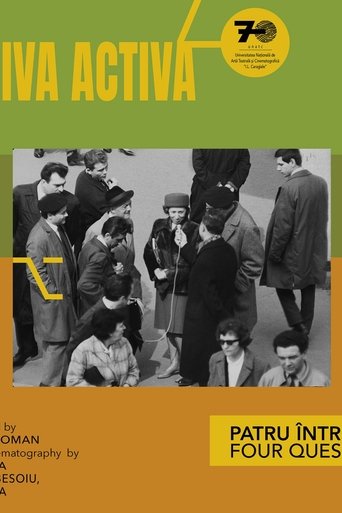
Four Questions 1967
An unusual attempt at cinéma vérité, in which people are asked if they are happy, while city lights flood the summer nights to the strains of a tender croon.
An unusual attempt at cinéma vérité, in which people are asked if they are happy, while city lights flood the summer nights to the strains of a tender croon.

In an unusual spaghetti western setting, a man - played by Ilarion Ciobanu - returns to his home village after spending time at the front. He finds his wife in the company of another man - played by Anușavan Salamanian - who is also raising his son. The confrontation between the two is at its most intense when they exchange glances that, in Ciobanu's case, seem to be a textbook study in Clint Eastwood's taciturn protagonist from Sergio Leone's famous trilogy. In many ways, People Aren't Goats stands out among all the other student films of the period. But the point where it proves most particular is its belonging to a genre - spaghetti western - at that time still new worldwide, whose national exponent will remain Ilarion Ciobanu, through the roles he played in the singular western trilogy, released a few years later, in which the people of the Ardennes go through all sorts of adventures.

The film didactically exemplifies a few police and coroner procedures, from gathering clues at a crime scene to doing autopsies.
The film is part of a series of scientific venatorial touristic films produced in 1930 și describes the process of extracting and transforming gold in the Apuseni Mountains.
This anonymous film shows a series of standard procedures involving treating various illnesses, for the future nurses.
At the border between traditional live coverage (that describes the stages of grape reaping) and a private family movie, the film shows a visit to the estate of Avram Ghiltcik.
A young mother raises her son alone, supporting him by working at the village pub. The tender and close relationship between the two largely compensates for the fact that they have difficulty managing money, and Andrei tries at every opportunity to cheer up his mother. In the absence of his father, the boy idealizes any male figure who comes into contact with his mother, be it the pub owner Ilie or the policeman Gică.
A self-potrait inside a room.
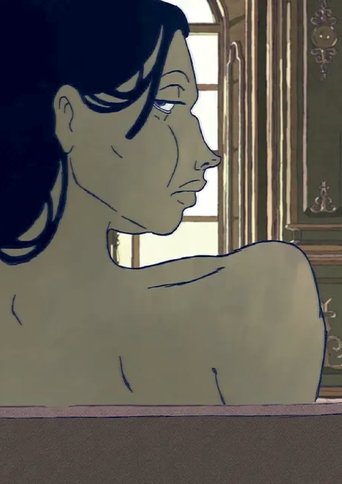
A woman gives shape to octopuses out of her own flesh. When she runs out of matter, she has to face what she has created.
Counterintelligence film from communist Romania.

hóson zêis, phaínou; experimental tribute to glimpses of beauty
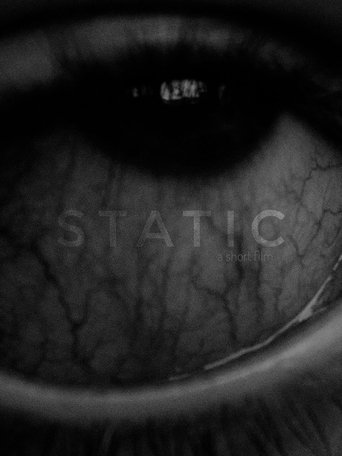
a scream bothers someone's existence, but it's not the horizon that holds it.
Chronicle of a Visit Foretold is part of a series of three music videos made by Andrieș at FAV and talks sarcastically about the visit of King Michael I, which was blocked by president Iliescu.
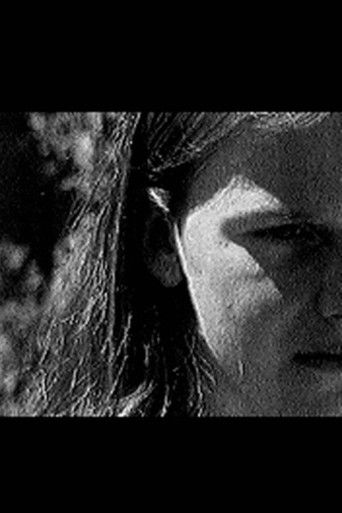
The hypnotic, semi-fictional diary of a young woman’s coming of age in a world which gives her no privacy.
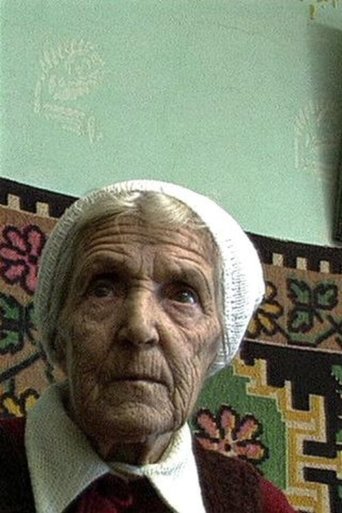
On the one hand, the women’s aged faces, filmed among objects collected over a lifetime; on the other, the power of metaphorical images: volcanoes, cemeteries, construction sites. A meditation on the act of passing.
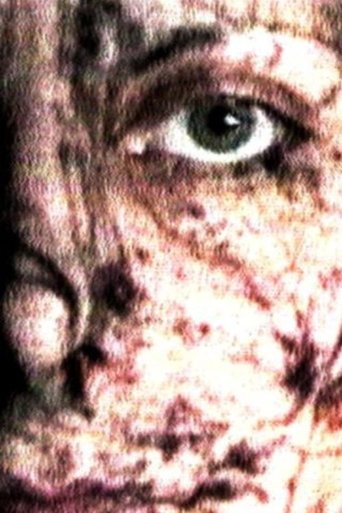
In a mixture of performance and body art, the artist uses her own face and body as a projector screen and painted background.
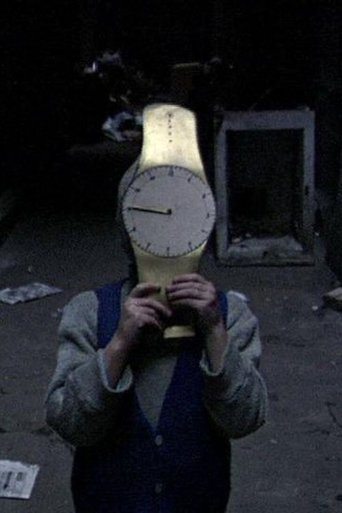
In an apartment building in the centre of Bucharest various personal histories coexist. The neighbours know everything about each other. In his or her own way, each of them is captive within the walls that face the inner courtyard.
Shot in various romanian traditional villages on Prahova Valley, the film explores the simple life of isolated villagers of all ages, throughout all four seasons.