Cifru 2002
Un bărbat neștiutor și dezamăgit se trezește lucrând ca spion în lumea periculoasă și cu mize mari a spionajului corporatist. Depășindu-și rapid limitele, el face echipă cu o misterioasă femeie fatală.
Un bărbat neștiutor și dezamăgit se trezește lucrând ca spion în lumea periculoasă și cu mize mari a spionajului corporatist. Depășindu-și rapid limitele, el face echipă cu o misterioasă femeie fatală.
Un absolvent de afaceri naiv este instalat ca președinte al unei companii de producție, ca parte a unei escrocherii bursiere.

O trupă de fete dă peste o conspirație care implică livrarea de mesaje subliminale prin intermediul muzicii populare.









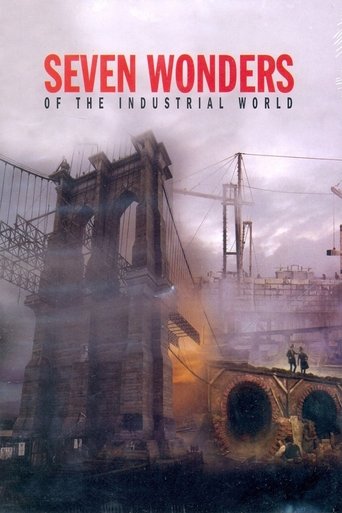
Seven Wonders of the Industrial World is a 7-part British documentary/docudrama television miniseries that originally aired from 4 September 2003 to 16 October 2003 on BBC. The programme examines seven engineering feats that occurred during the Industrial Revolution.
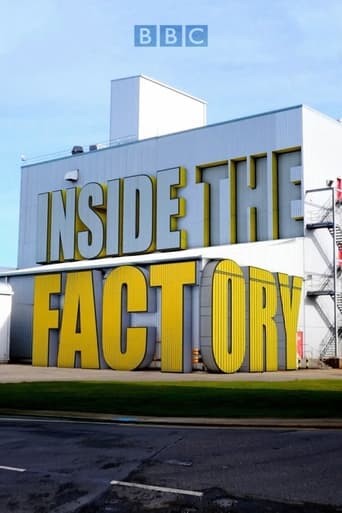
Paddy McGuinness and Cherry Healey get exclusive access to some of the largest factories in Britain to reveal the secrets behind production on an epic scale.
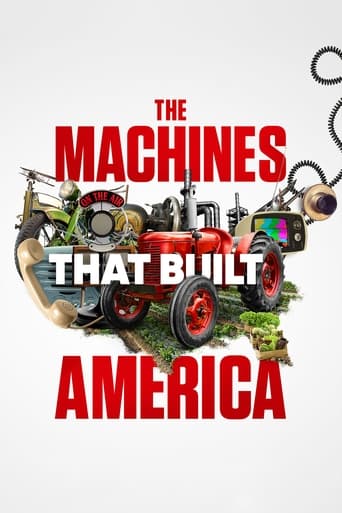
The stories behind innovations such as TV, radio, phones, airplanes, motorcycles and power tools as well as the inventors including Nikola Tesla, William Harley, Alexander Graham Bell, Duncan Black and Alonzo Decker.

Britain is connected by miles of roads, canals, and railway. This series explores the history of how we get around this ancient island.

Half-hour program on the "real-life adventure" of big business. Newsman Eric Sevareid, who served as host, described the series as neither "chamber of commerce boosterism" nor anti-establishment; rather, "an effort to report how various industrial sectors actually work."

Tony Robinson goes for a walk through some of Britain's beautiful and historic landscapes.
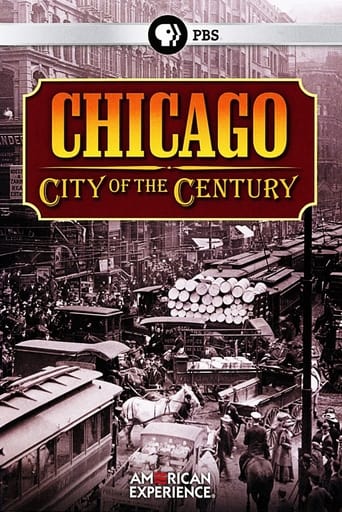
In just 60 years Chicago grew from a remote, swampy frontier town into one of the most explosively alive cities in the world. Captains of industry built empires through innovation, ingenuity, determination, and sheer ruthlessness, while the labor of millions of working men and women -- most of them immigrants from Ireland and Northern Europe -- helped reinvent the way America did business.
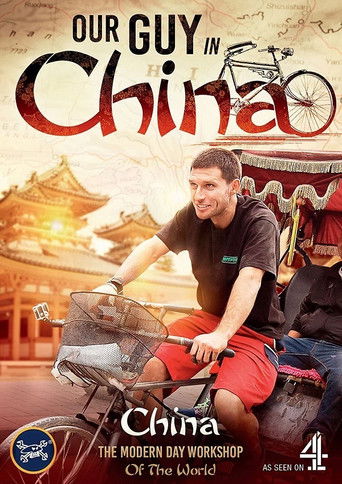
Guy Martin's love of industry and endeavour leads him to China, where he reveals the unseen side of its innovation, technological development and gigantic manufacturing.
Industry on Parade is a decade-long syndicated industrial television series produced by the National Association of Manufacturers, originally in collaboration with NBC and later by Arthur Lodge Productions. From 1950 to 1960, weekly episodes presented engaging short documentaries that highlighted U.S. industrial innovation, manufacturing processes, and business developments. Widely distributed to stations and educational outlets, the series promoted technological progress and American enterprise during the early Cold War era.
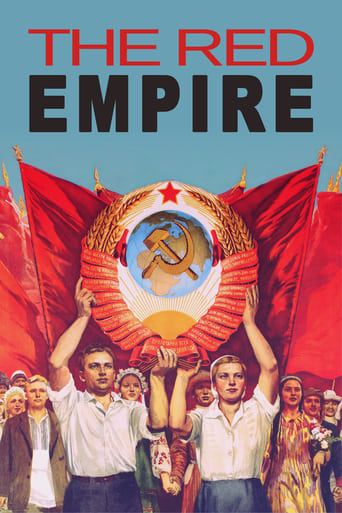
The story of an empire: From its founding in 1922 to its dissolution in 1991, the Soviet Union was shaped by revolutionary idealism, but also by oppression and decay. The USSR evolved from Stalinist terror through the Thaw under Khrushchev to political processes such as glasnost and perestroika under Gorbachev. Finally, in 1991, it collapsed.
The birth and development of the Industrial Revolution is explored by visiting factories, mines, and other industrial relics where the modern world was made -- not by statesmen and philosophers, but by men, women and children with dirt on their hands.
