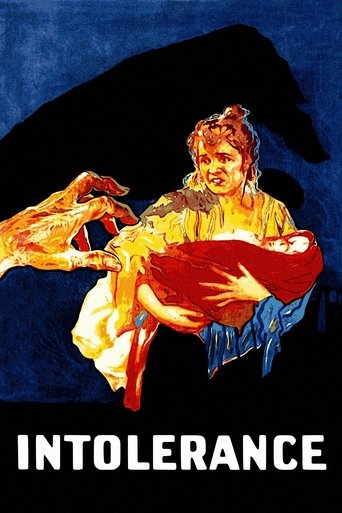
Intolerance: Love's Struggle Throughout the Ages 1916
The story of a poor young woman, separated by prejudice from her husband and baby, is interwoven with tales of intolerance from throughout history.
The story of a poor young woman, separated by prejudice from her husband and baby, is interwoven with tales of intolerance from throughout history.
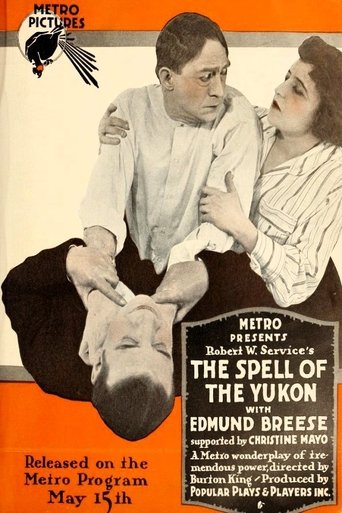
Having forced Jim Carson to leave town in order to avoid a trumped-up embezzling charge, now Albert Temple is rid of his only serious rival for Helen, whom he soon marries. Jim goes to Alaska, where he adopts Bob Adams, the son of a murdered friend, and then makes a fortune in a gold strike. After eighteen years in the Yukon, Jim returns to his hometown with Bob, who falls in love with Helen and Albert's daughter Dorothy. Because he so hates Albert, however, Jim refuses to consent to a marriage between Bob and Dorothy until Helen tells him that Albert is not the young woman's father. In reality, Dorothy is Jim's own daughter, and when he learns this, Jim quickly changes his mind about the marriage.
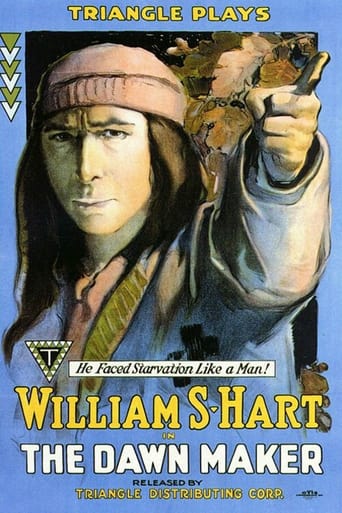
Half-breed Joe Elk wavers between the "civilized" nature of his white father and the passion of his Indian mother. He falls in love with Alice McRae, but Alice is in love with Bruce Smithson, who is an officer at the Hudson Bay Trading Company.
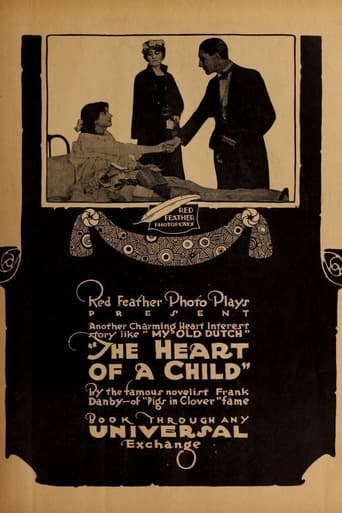
A slum orphan, injured by a lady's car, becomes a dancer and marries the lady's brother.
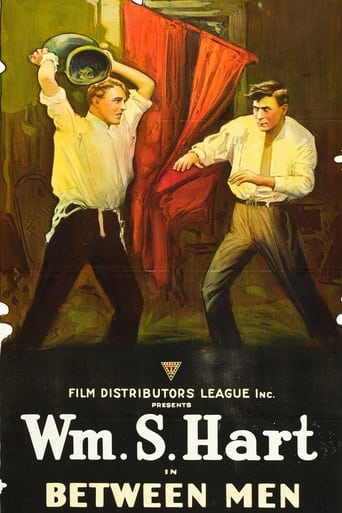
When Ashley Hampdon becomes the target of a scheme to ruin him by his daughter's suitor, Hampdon sends for his old friend Bob White. Bob discovers that the suitor, Gregg Lewiston, cannot hope to win Lina Hampdon while her father's wealth remains intact. Lewiston hopes that if her family becomes destitute, she will turn to him. But Bob White is there to upset the scheme.

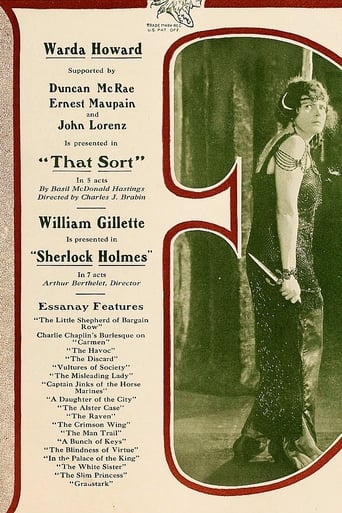
John Heppell, a wealthy young man about town, falls in love with Diana Laska, a noted actress, and marries her. After their child is born he tires of her and goes back to his old way of living. Infuriated at his neglect, Diana leaves him and goes abroad with Philip Goodier. He also tires of her in time, and she becomes a notorious character on the continent.
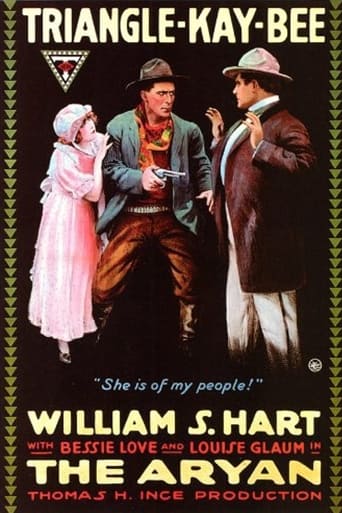
Steve Denton, rich from years of prospecting, is fleeced by the citizens of Yellow Ridge. In his rage, he kidnaps the woman most responsible and makes her his slave in a desert hideaway.
Family saga about several generations of shipbuilders. Believed to be a lost film.
19th century Sardou period melodrama turned into a vehicle for diva star Lyda Borelli: an aristocratic French lady leaves her unfaithful husband and becomes involved with a member of Robespierre's revolutionary regime.
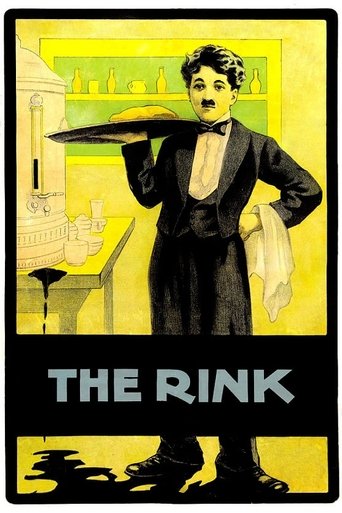
After amusements working in a restaurant, a waiter uses his lunch break to go roller skating.

The film discovered in 1916, is the second part of two circus-themed films released in the same year. Daniel Rok is pulp fiction, one of the many attempts to create an action film, following the footsteps of the Danish, the French, and the Americans. A good quarter of Russian pre-revolutionary film industry consisted of pictures like this. A circus drama was almost a sub-genre of its own. What distinguishes this film is the involvement of actual circus performers, some of the biggest names in the industry, many of them having never made another film. One could only wish that all of them would perform their signature acts, like Sergei Alperov and his son Dmitry Alperov, the legendary acrobats. Instead, Williams Truzzi, arguably the most famous Russian circus jockey of his time, plays the villain, Tamara Gamsakurdia, a horseback dancer, appears as his innocent victim, and Nikolai Nikitin, who would soon become the owner and director of the Moscow circus, becomes the noble hero.
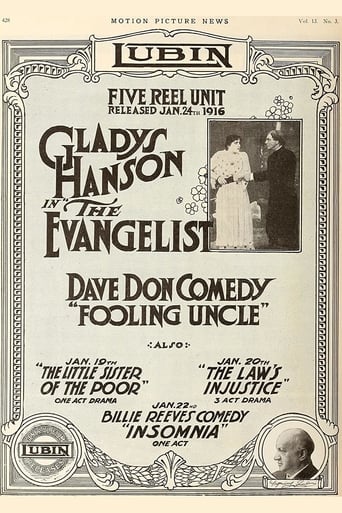
Christabel Nuneham (Gladys Hanson) feels neglected by her husband, Phil (Ferdinand Tidmarsh), so she has an affair with Rex Allen (Jack Standing). When Allen has to go to India, Christabel follows him to Southampton to see him off. She is injured in a car accident and is rescued by an evangelist (George Soule Spencer) whose specialty is saving sinners.

Sally Pinkus is an German-Jewish boy who takes a job as a shoe store clerk after being expelled from school for goofing around. Soon fired for trying to court the owner's daughter, Pinkus lands another job in a more 'upmarket' shoe salon, only to be fired again, before charming a rich benefactress to fund his ultimate dream: Pinkus' Shoe Palace.
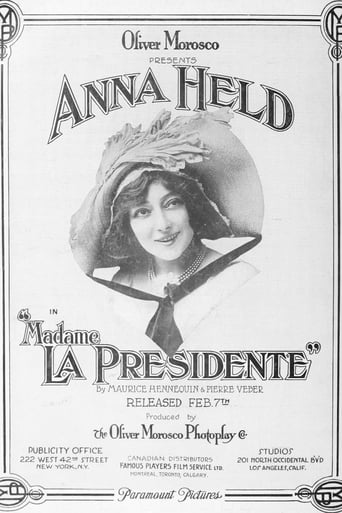
Mademoiselle Gobette, a pretty young actress, visits the offices of the Minister of Justice, Cyprienne Gaudet. Simultaneously, Madame Galipaux arrives to speak to the Minister on behalf of her husband. Gaudet mistakes Madame Galipaux for the new cleaning woman, and Mademoiselle Gobette for Madame Galipaux, leading to farcical complications when Monsieur Galipaux arrives.
Based on the famous novel "Michael" by Heinrich Bang.
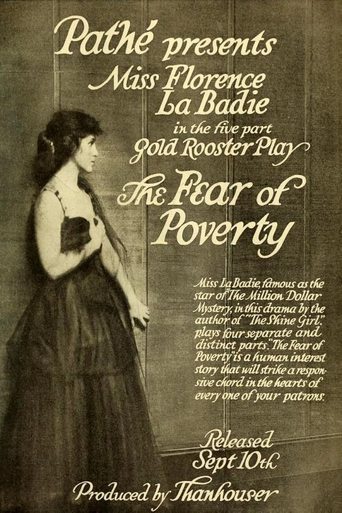
When her husband Jim strikes it rich, Grace, who has had a lifelong fear of poverty, strictly raises her daughter Florence to accept only luxury. When Florence is old enough to have suitors, she quickly rejects penniless artist Durland and marries rich playboy Alfred Griffin, but soon learns that he is an unfaithful spendthrift, so they soon become bitter enemies. In a final effort to ruin Florence's life, Alfred neatly arranges evidence to make her look like his murderer, then commits suicide, but the butler saw everything and is able to clear Florence of this charge; afterward she rushes to Durland and they plan to get married.

The plan is this: a foreign man of war is interned in the harbor. By blowing up this boat, Carney figures that strained relation existing between this country and warring nations will snap and the United States will be drawn into the conflict. This would mean untold orders and profit for the Steel Trust. Stone and Carney plan to carry out the plot with aid of an eccentric inventor named Bill Bean. #7 in the Graft serial.
