
Rok 1956
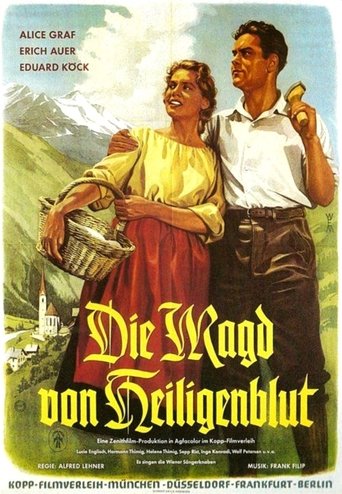
Die Magd von Heiligenblut 1956
The wealthy farm heir Toni loves the maid Maria, but is supposed to marry the wealthy neighbor's daughter Annerl. She only has eyes for a penniless woodcarver. Only when Toni's stubborn father dies does a future for the lovers begin.
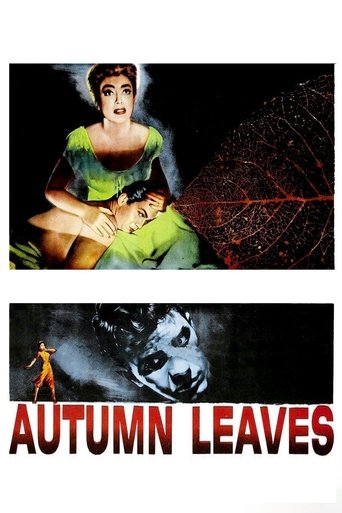
Autumn Leaves 1956
A woman falls for a younger man with severe mental problems.
Hatim Tai 1956
The film is about Hatim Tai (Hatim of Tayy), a merchant and poet who was known for his charity and kindness. In this Arabian Nights style fantasy Hatim Tai, referred to as Shehzada (Prince) from Yemen, undertakes a perilous journey in order to save a young fairy turned to stone. He can do this by answering seven questions posed to him on the way.
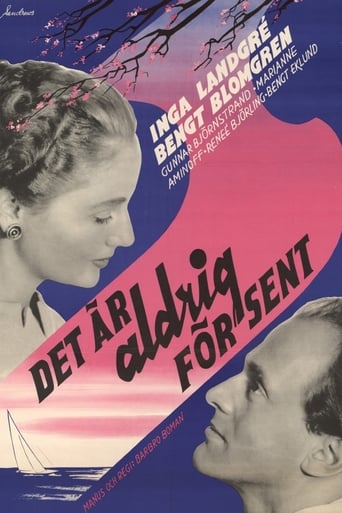
It Is Never Too Late 1956
Görel and Arne are about to get a divorce. Görel thinks back on how history has repeated itself within her family.

Rapto en la ciudad 1956
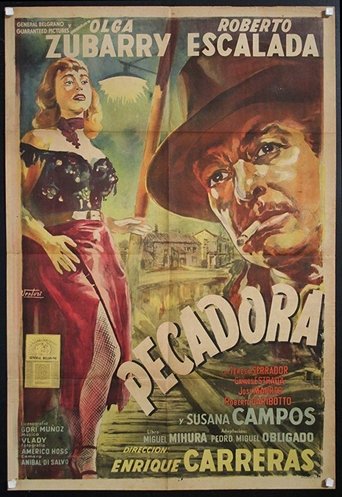
Pecadora 1956
A tango singer is involved in the death of a lender.
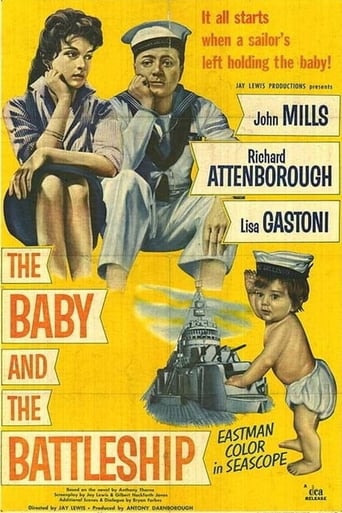
The Baby and the Battleship 1956
After a quayside mix-up with the Italian family of his fiancée, Able Seaman Knocker White finds himself literally left holding the baby. Unable to return it before his ship sails he enlists the help of best mate Puncher Roberts to smuggle the child aboard. But babies are surprisingly demanding and gradually the whole crew is drawn into helping keep it fed and washed - and undiscovered. Even so, the officers above deck start to puzzle over the increasingly strange happenings on board.
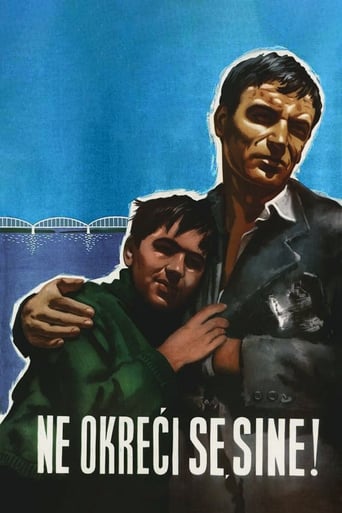
Don't Look Back, My Son 1956
Engineer and leftist illegal Neven Novak runs away from a train in which Ustashas transport their prisoners to the prison camp Jasenovac. He returns to Zagreb and tries to save his son Zoran from an orphanage. During his stay in the orphanage, Zoran was indoctrinated with fascist ideology. When he realizes that his father is an enemy of the regime, he refuses to escape with Zoran to the Partisans' territory. Novak faces his son's antagonism and the police that chase after them.
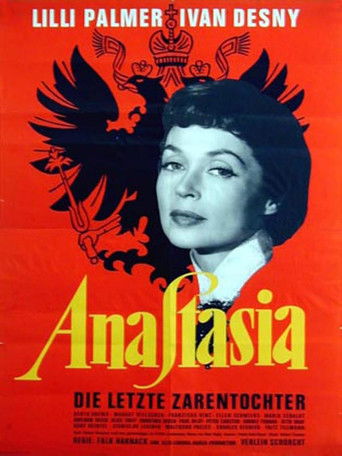
Anastasia: the Czar's Last Daughter 1956
In 1920, an unknown 24-year-old woman was fished out of Berlin's Landwehr kanal after a suicide attempt. Since she has no papers and no answers to any questions, they soon assign them to the insane asylum Dallendorf. A co-patient believes she recognizes the Czar's daughter Anastasia Romanowa - who apparently was the only one who survived the murder of the tsar's family in 1918.
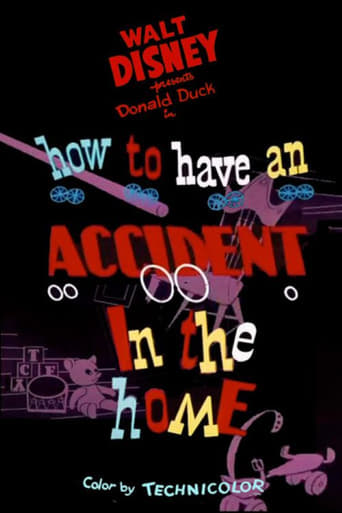
How to Have an Accident in the Home 1956
It's a peaceful day in a local city when suddenly, duck J.J. Fate appears to lecture us on how "fate" isn't to blame for accidents, people are! He uses Donald Duck as an example. Donald is extremely accident prone. He lights his pipe in a room with a gas leak, slips on a throw rug while carrying a fish bowl, overloads electrical outlets, and continually falls down the stairs. Finally, Donald has had enough and fixes his house guaranteeing no more accidents. That's good for Donald but the rest of the accident prone city still has to learn "not to blame fate for your carelessness".
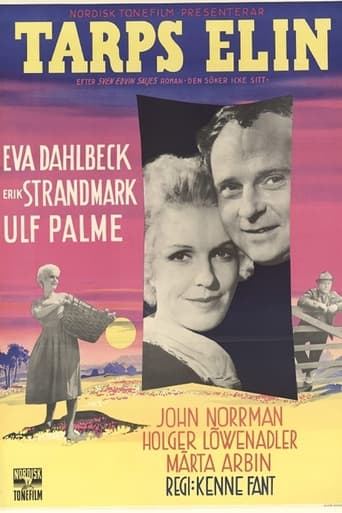
Tarp's Elin 1956
Elin Tarp is an unmarried mother with three children who lives a hard life in the countryside.
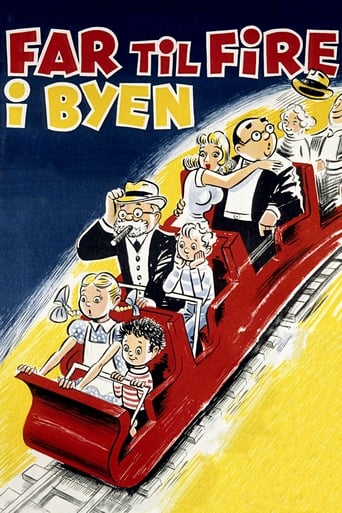
Father of Four: In the City 1956
Lilleper is starting school, and on the last day of summer vacation, his father invites the whole family to a party at Tivoli. But then everything goes wrong. Per doesn't like school. Søs falls out with Peter, Mie is accused of theft, and his father is fired from his job and talks about selling the house. Everyone is looking forward to a sad Christmas, but maybe Lilleper will still go to the "Christmas Ball in Nisseland."
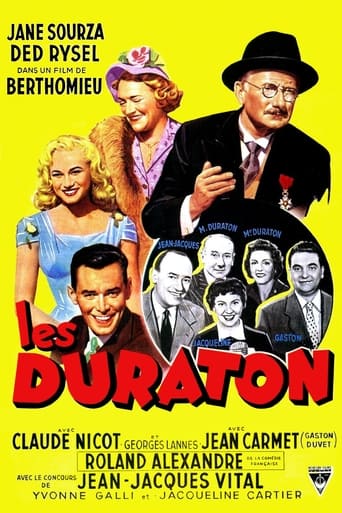
Les Duraton 1956
Jules Duraton is the headmaster of Chatelbourg's high school. He is happily married, has a teenage daughter named Solange, and everything would be for the best of all possible worlds if he and his family were not the namesakes of the protagonists of a famous comic series broadcast every day on Radio Monde "La Famille Duraton". Day after day, the real-life Duratons are made fun of because of their surname and Jules just can't take it any more. That is why he decides to sue the radio station responsible for his misfortune.
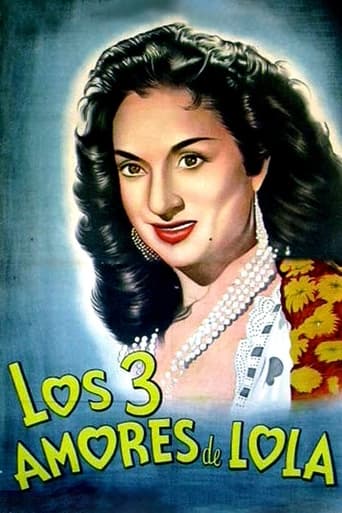
Los tres amores de Lola 1956
Flamenco artist in Mexico draws attention from three suitors.

Blood to the Head 1956
François Cardinaud is one of the richest shipowners in the region. But this success arouses resentment and jealousy. When Marthe, his wife, leaves the home without warning, Cardinaud sees her life cracking little by little.
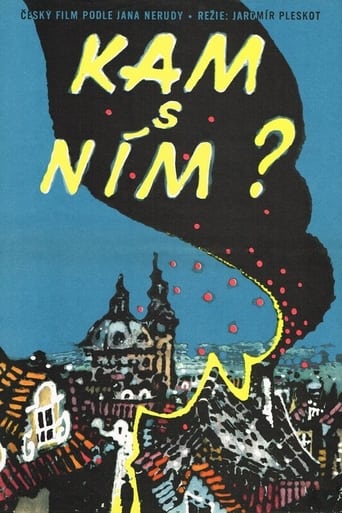
Kam s ním? 1956
Based on Jan Neruda's column of the same name, which depicts the troubles of an old straw man. The film is introduced by poet Jaroslav Seifert with a speech about Jan Neruda and his work.

Una voce, una chitarra, un po' di luna 1956
A musician loses his job after he is seriously injured in a car crash. After his wife leaves him to pursuit an acting career, he is forced to take care of his mother and his daughter by himself.
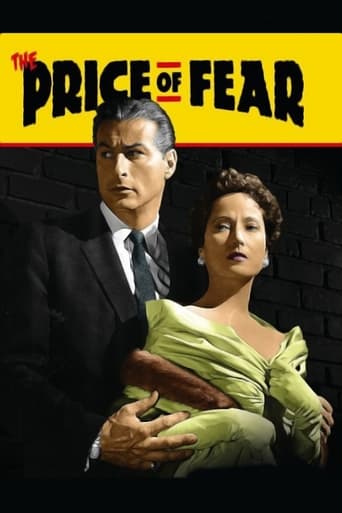
The Price of Fear 1956
A co-owner of a race track goes on the run after witnessing something he shouldn't have at the track.

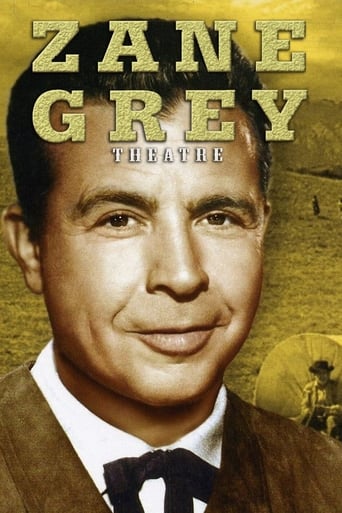
Dick Powell's Zane Grey Theatre 1956
Dick Powell's Zane Grey Theatre, sometimes simply called Zane Grey Theatre, is an American Western anthology series which ran on CBS from 1956 to 1961.

Eurovision Song Contest 1956
The Eurovision Song Contest is an international song competition, organised annually by the European Broadcasting Union (EBU) and featuring participants representing primarily European countries. Each participating country submits an original song to be performed on live television and radio, transmitted to national broadcasters via the EBU's Eurovision and Euroradio networks, with competing countries then casting votes for the other countries' songs to determine the winner.
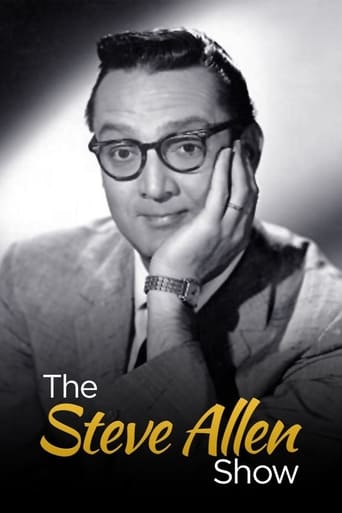
The Steve Allen Show 1956
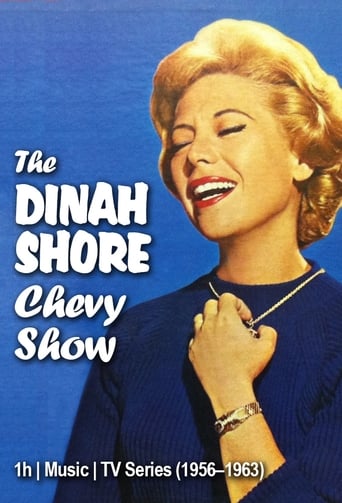
The Dinah Shore Chevy Show 1956
The Dinah Shore Chevy Show is an American variety series hosted by Dinah Shore, and broadcast on NBC from October 1956 to June 1963. The series was sponsored by the Chevrolet Motor Division of General Motors and its theme song, sung by Shore, was "See the U.S.A. in Your Chevrolet", which continued to be used in Chevrolet advertising for several more years after the cancellation of the show.
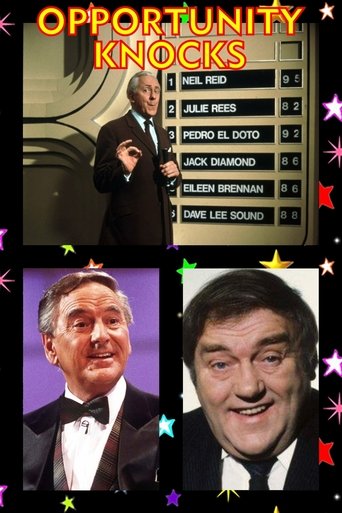
Opportunity Knocks 1956
A radio, and later television, talent show originally hosted by Hughie Green, with a late-1980s revival hosted by Bob Monkhouse, and later by previous winner Les Dawson.
Playhouse 90 1956
Playhouse 90 is an American television anthology series that was telecast on CBS from 1956 to 1960 for a total of 133 episodes. It originated from CBS Television City in Los Angeles, California. Since live anthology drama series of the mid-1950s were usually hour-long shows, the title highlighted the network's intention to present something unusual, a weekly series of hour-and-a-half dramas rather than 60-minute plays. Playhouse 90 began as a pitch by Frank Stanton—the formidable, forward-thinking right-hand man to CBS chairman William S. Paley—during a brainstorming session for program ideas. The project was ultimately developed by Hubbell Robinson, a CBS vice president who received no screen credit on Playhouse 90 but is often described as its creator.
State Trooper 1956
State Trooper is an American crime drama set in the 1950s American West, starring Rod Cameron as Rod Blake, an officer of the Nevada Department of Public Safety. The series aired 104 episodes in syndication from September 25, 1956, to June 25, 1959.

Gumby 1956
Innovative "Claymation" adventures of Gumby and his horse Pokey.
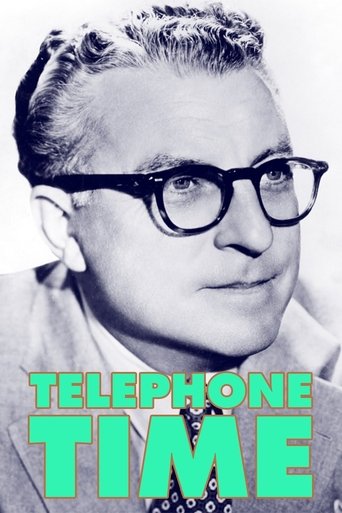
Telephone Time 1956
Telephone Time is an American anthology drama series that aired on CBS in 1956, and on ABC from 1957 to 1958. The series features plays by John Nesbitt who hosted the first season. Frank C. Baxter hosted the 1957 and 1958 seasons. The program was directed by Arthur Hiller.
Cinépanorama 1956
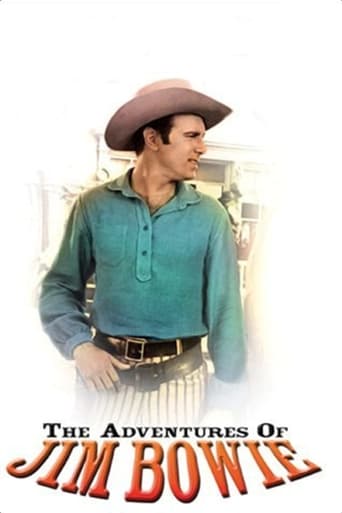
The Adventures of Jim Bowie 1956
The Adventures of Jim Bowie is an American Western television series that aired on ABC from 1956 to 1958. Its setting was the 1830s-era Louisiana Territory. The series was an adaptation of the book Tempered Blade, by Monte Barrett. The series stars Scott Forbes as the real-life adventurer Jim Bowie. The series initially portrayed Jim Bowie as something of an outdoors-man, riding his horse through the wilderness near his home in Opelousas, where he would stumble across someone needing his assistance. He was aided by the Bowie Knife, his ever-present weapon. He designed it in the first episode, The Birth of the Blade.
Broken Arrow 1956
Broken Arrow is a Western series which ran on ABC-TV in prime time from 1956 through 1958 on Tuesdays at 9 p.m. Eastern time. Repeat episodes were shown by ABC on Sunday afternoons during the 1959–60 season. Selected repeats were then shown once again in prime time during the summer of 1960.
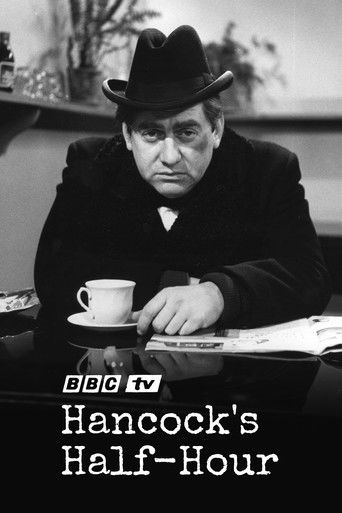
Hancock's Half Hour 1956
Hancock's Half Hour is a BBC television comedy series of the 1950s and 60s written by Ray Galton and Alan Simpson. The series starred Tony Hancock with Sid James. The final series, renamed simply Hancock, starred Hancock alone. Comedian Tony Hancock starred in the show, playing an exaggerated and much poorer version of his own character and lifestyle, Anthony Aloysius St John Hancock, a down-at-heel comedian living at the dilapidated 23 Railway Cuttings in East Cheam. The series was influential in the development of the situation comedy, with its move away from radio variety towards a focus on character development.
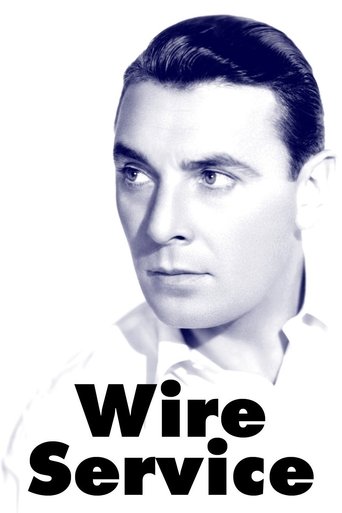
Wire Service 1956
Wire Service is an American drama series that aired on ABC as part of its 1956-57 season lineup.
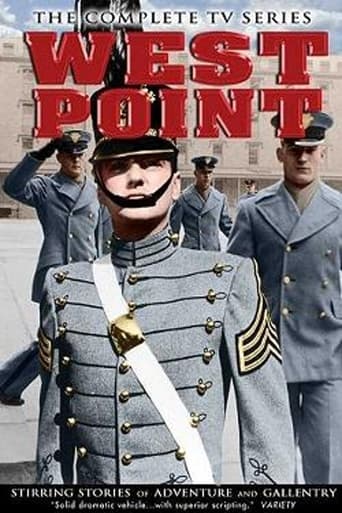
West Point 1956
The West Point Story is a dramatic anthology television series shown in the United States by Columbia Broadcasting System during the 1956-57 season and by ABC during the 1957-58 season. The West Point Story, produced with the full cooperation of the United States Department of Defense and the United States Military Academy, was said to be based on actual files documenting many of the real-life dramatic occurrences at West Point over the years. Names and dates were altered in order to protect the privacy of the real people portrayed, however. The program was at first hosted by a fictional cadet, Charles C. Thompson, but this device was discontinued prior to the end of 1956. During its second season on ABC, The West Point Story was in competition with NBC's The Californians, set in San Francisco during the gold rush of the 1850s, and with The $64,000 Question quiz series on CBS. The West Point Story was replaced on the summer schedule in 1958 by Jack Wyatt's Confession, which continued to air during the first half of the 1958-1959 season in the 10 p.m. Tuesday evening time slot. At the time that The West Point Story was broadcast, four other military dramas aired either through syndication or on the major networks: Harbor Command, Navy Log, The Silent Service, and Men of Annapolis.
The Gale Storm Show 1956
The Gale Storm Show is an American sitcom starring Gale Storm. The series premiered on September 29, 1956, and ran until 1960 for 143 half-hour black-and-white episodes, initially on CBS and in its last year on ABC. The Gale Storm Show was co-produced by Independent Television Corporation and Hal Roach Studios. The series was aired under the title Oh, Susanna in syndication.
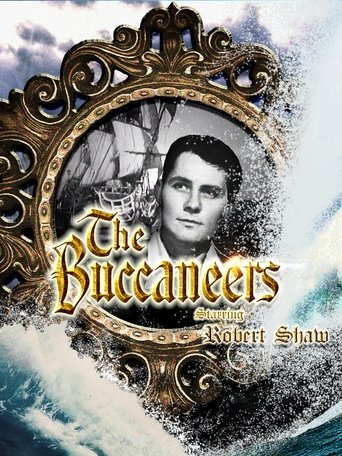
The Buccaneers 1956
The adventures of privateer Captain Dan Tempest and his crew of former pirates as they make their way across the seven seas in The Sultana.
As the World Turns 1956
As the World Turns is an American television soap opera that aired on CBS from April 2, 1956 to September 17, 2010. Irna Phillips created As the World Turns as a sister show to her other soap opera The Guiding Light. Running for 54 years, As the World Turns holds the second-longest continuous run of any daytime network soap opera in American history, surpassed only by Guiding Light. As the World Turns was produced in New York City for all of its time. Set in the fictional town of Oakdale, Illinois, the show debuted on April 2, 1956, at 1:30 pm EST.
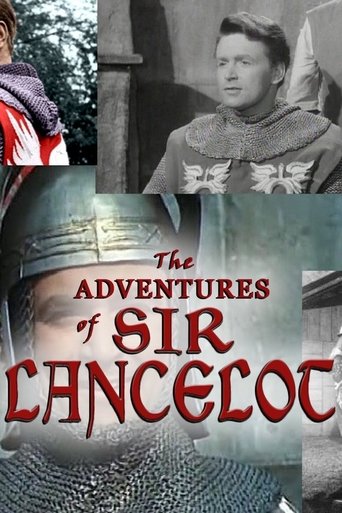
The Adventures of Sir Lancelot 1956
The Adventures of Sir Lancelot is a British television series first broadcast in 1956, produced by Sapphire Films for ITC Entertainment and screened on the ITV network. The series starred William Russell as the eponymous Sir Lancelot, a Knight of the Round Table in the time of King Arthur at Camelot.
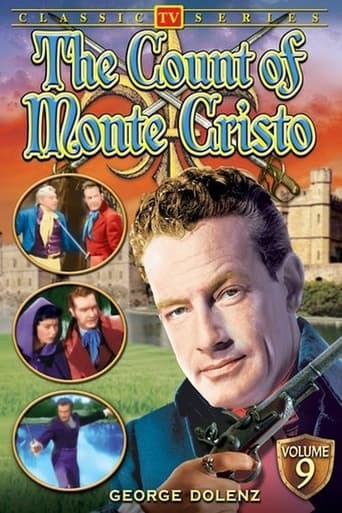
The Count of Monte Cristo 1956
The Count of Monte Cristo was a 1956 ITC Entertainment/TPA television series adapted very loosely from the novel by Alexandre Dumas, adapted by Sidney Marshall. It premiered in the UK in early 1956 and ran for 39 thirty-minute episodes. The first twelve episodes were filmed in the United States, at the Hal Roach studios, with the rest being filmed at ITC's traditional home of Elstree. A 5-disc DVD set containing all thirty-nine episodes was released by Network Studio on 12 April 2010. ITC produced a film based on the same source-material, The Count of Monte-Cristo, in 1975.
