
Chinese Magic 1900
Trick film. A stage magician transforms a woman into a butterfly and himself into a giant bat. This film is considered lost.
Trick film. A stage magician transforms a woman into a butterfly and himself into a giant bat. This film is considered lost.
"Nothing new, but an old thing done over again and done well. Some one has attempted to describe a kiss as "something made of nothing," but this is not one of that kind, but one of those old fashioned "home made" kind that sets the whole audience into merriment and motion, and has always proven a popular subject. It is very fine photographically and an exhibit is not complete without it." -Edison film catalog.
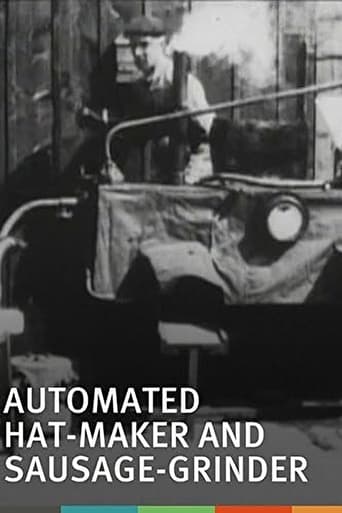
A machine churns out sausages on one side and spits out hats on the other. The director of this film is not credited in any contemporary catalogues or trade publications, or attributed to anyone by scholars or primary sources.
Directed by Robert W. Paul.
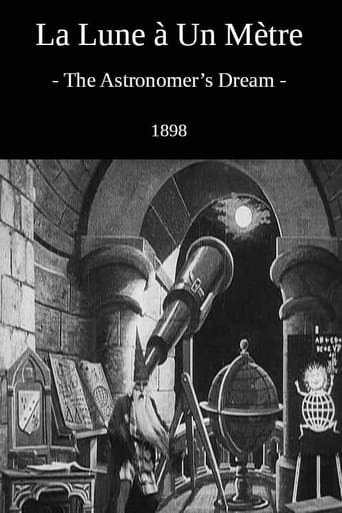
An astronomer has a terrifying dream.
Consisting of a single shot, Spiders on a Web is one of the earliest British examples of close-up natural history photography. Made by one of the pioneers of the British film industry, G.A. Smith, this short film details spiders trapped in an enclosure, and despite the title, does not actually feature a web.
Directed by Robert W. Paul.
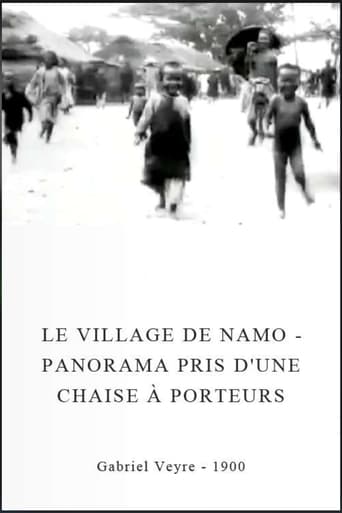
The film is a panorama shot-scene lasting just under a minute. The panorama film, as coined by Lumière, is a moving-camera shot--usually accomplished by placing the camera on a moving transport, such as a boat or train.
A Lumière Brothers short film.

A divinely inspired peasant woman becomes an army captain for France and then is martyred after she is captured.

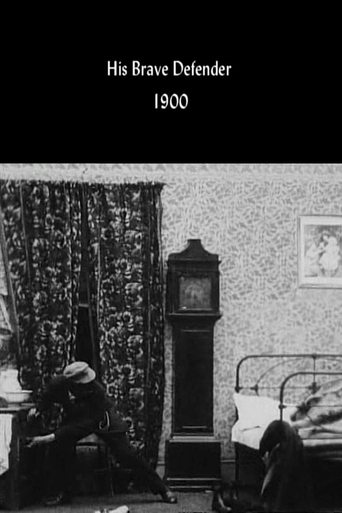
Sherlock Holmes enters his drawing room to find it being burgled, but on confronting the villain is surprised when the latter disappears.
Shots of the panorama, filmed from the winding railroad tracks that stretch along the coast, from Beaulieu to Monaco, including tunnel passages.
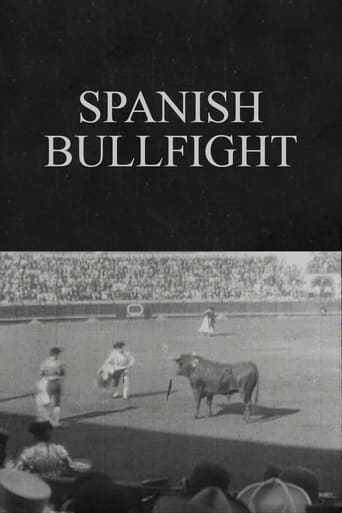
With a crowded arena in the background, a stationary camera records a bull charging a picador astride his horse. An attendant on foot throws stones at the rump of the horse to get it to move. Various toreadors run past the bull to try to get him to charge or at least run about.
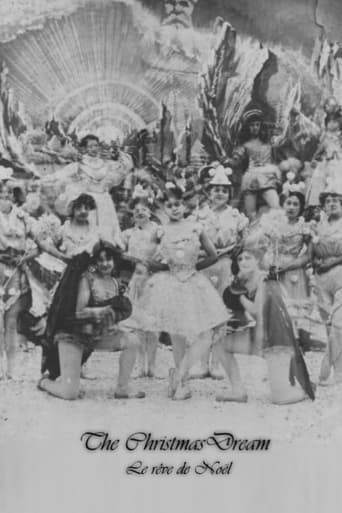
The entire story of Christmastide is here depicted. The scene opens in a large boudoir of an apparently wealthy man's home. His children, assisted by their governess, are about to retire. Before lying down they hang up their stockings on the edge of the bed. The picture changes and night appears. We see the housetops of the town and angels are flying about depositing packages in each of the chimneys. (Edison Catalog)
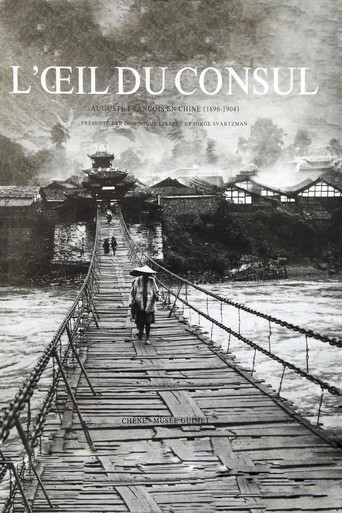
Using photographs and films shot by a French Consul, Auguste François, in turn-of-the-century China, documents the historic events and everyday life he saw around him. Narration uses his letters, diaries, and notes.
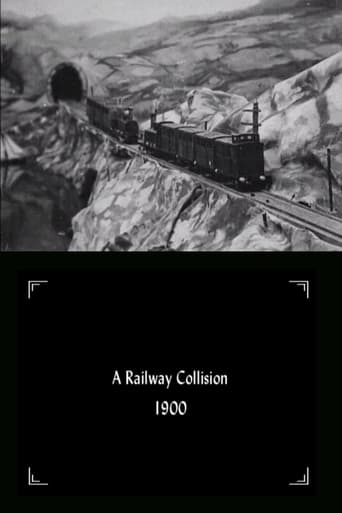
The scene is a railroad track on the side of a steep mountain, with a tunnel in the background, toward which a train is running at a high rate of speed. At this instant the audience is appalled at the sight of a second train rushing out of the tunnel. Both trains are on the same track and traveling toward each other at a high rate of speed. They collide. Cars and engines are smashed into fragments and thrown down the steep incline. (Edison Catalog)
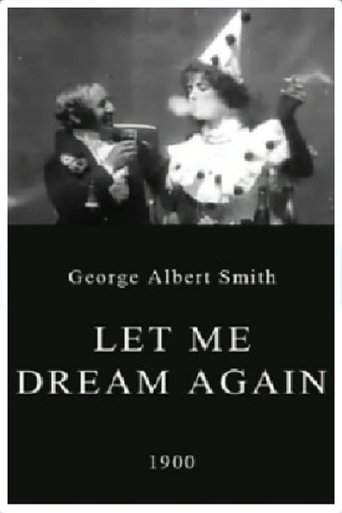
Possibly the first film to utilize the technique of focus pulling. A man kisses a beautiful and lively woman, then the image blurs and dissolves into a clear image of the man waking up to his nagging wife.
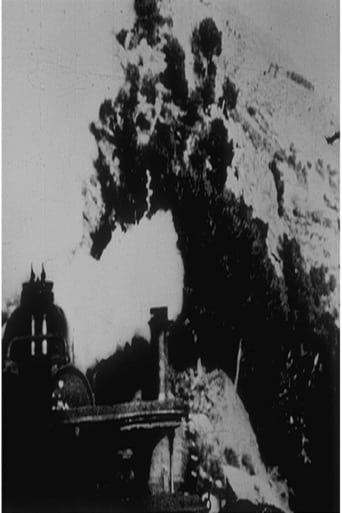
Shots of the panorama, filmed from the winding railroad tracks that stretch along the coast, from Beaulieu to Monaco, including tunnel passages.
Aboard the 'Tonkin' - jumping rope.
