
The Last Hunt 1970
A movie that talks about the Albanian dictator Enver Hoxha, that meets a local villager.
A movie that talks about the Albanian dictator Enver Hoxha, that meets a local villager.
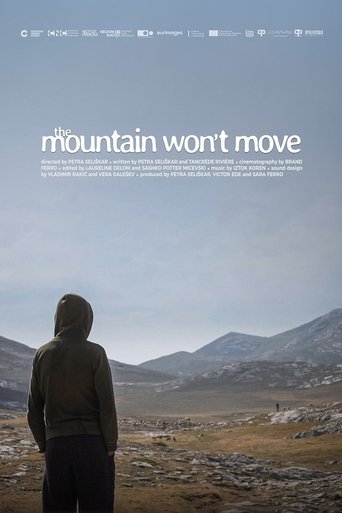
On the heights of a mountain in North Macedonia, in the midst of a flock of 600 sheep being watched over by huge dogs, stands a refuge. Children's laughter escapes from the precarious shelter. They are a brotherhood, ranging from ages eight to twenty. When they are not hard at work, they are playing and discussing the meaning of life. Is their future really here?
Asim, one of the sons of an old engine driver, has gone astray: he does not like to work and is not happy with the modest place he has in life; he even reproaches his father for not having "profited more from life" and for having failed" to secure a cozy future for his children". His other son, Kujtim, is a modest worker.
Aleksandër Moisiu, or Alexander Moissi or perhaps Alessandro Moissi (1879-1935) was an Albanian born stage and screen actor who performed all over the world. He was an actor with subtle resonances, effectively touching the tragic characters, establishing himself in those with the most intimate and delicate notes. Streets are named after Alexander Moissi in Berlin, Salzburg and Vienna, where also a monument was unveiled in 2005.
A taxi driver takes advantage of a sleeping passenger while he keeps the taximeter running. He drives around town to scam the passenger. However, something sinister will change the taxi driver’s perspective.

With a film to shoot in the near future, a director develops something more than a professional bond with his actor. When they go together to a rave party, things take an unexpected turn. Delusion or truth, the two end up with no answers.
A group of people attempt to flee religious persecution in Enver Hoxha's Albania, with tragic results.
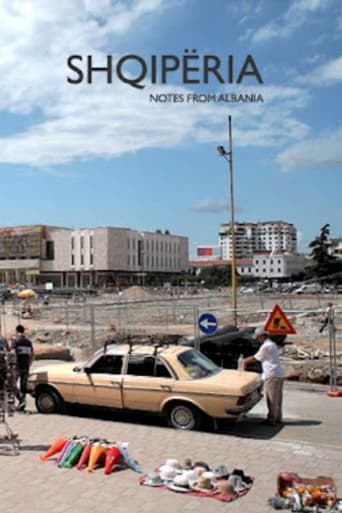
Mad dictators, trigger-happy mobs, archaic blood feuds - this pretty much sums up what Western Europeans know about Albania. But reality in this long forgotten Balkan country is much more complex and multilayered. SHQIPERIA - NOTES FROM ALBANIA offers a flow of stories from and about Albania, displaying the country in its true diversity, unspeculatively illuminating its conflicts and discovering this blank spot on the map of Europe in all its contradictions.
War film written and directed by Rikard Ljarja.
Early years after the war. The bourgeoisie is falling, and they are being taxed for their profits during WWII. Abdyl is an accountt who helps the bourgeoisie and fascist collaborators by hiding their gold in his home and manipulating documents.
Documentary about the Albanian writer.
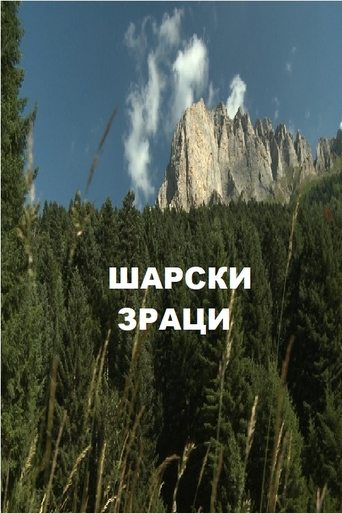
The documentary has a descriptive nature and aims to promote the natural beauty and values of the mountain Sharr in the Macedonian part.

Fran, a woman who has chosen to live as a man, following the tradition of Albanian “Burrnesha.” To become a mother to her orphaned niece, Fran must make a difficult decision between preserving her status as a “man” or relinquishing it to reconnect with the maternal feelings she has long suppressed. When the time comes to move forward, her niece’s choice forces Fran to confront her deepest fears: to keep the child close or to give the young girl wings to fly.

It documents a traditional event that took place on St. George’s Day in Dragash, Kosovo.
Moving, personal doc captures the filmmakers fifty-four year old immigrant Kosovo mother as she attempts to pass an all-important German language test. Painter and video artist Zeqiri frames a cold and unforgiving Austria through the window of his mother’s apartment as she struggles through the difficult words and phrases.
The film deals with Rron, a young Albanian boy from Kosovo who faces his expectations of going illegally to Germany.
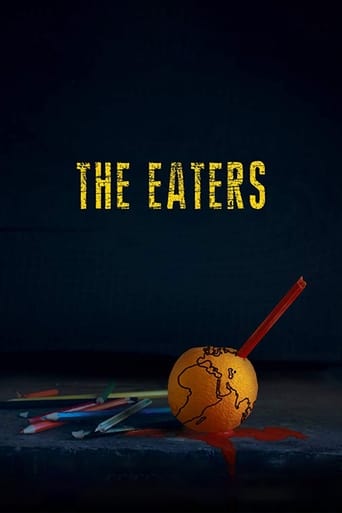
Nowadays, human race, all it wants is to eat, eat everything, and in a selfish world keep everything only to themselves. But things are about to take a different turn when the intelligent youth aspires to freedom and bright future.

Hava's brothers decide to divide their paternal property. According to traditional customs, the right to inheritance belongs to male descendants only whereas Hava has no right to inherit. The eldest brother is obligated to find a husband for his sister. Hava must be married and live at her husband's house.

Three young people visit three cities over three months as part of an ambitious and transformative art project that creates musical and performance pieces.
