
Migjeni 1961
Documentary about the Albanian writer.
Documentary about the Albanian writer.
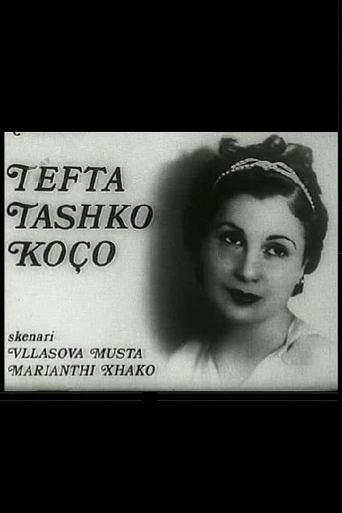
Documentary about the soprano Tefta Tashko Koço. It uses only photographs of her, as well as short interviews with various friends of her. Although the audio is not perfect, you can enjoy many fragments from her songs.
Sala didn’t paint the Tirana facades in Dammi i Colori (Give Me the Colors), in his current show. Others did, as part of an ongoing project initiated by Edi Rama, the city’s mayor and a former artist.
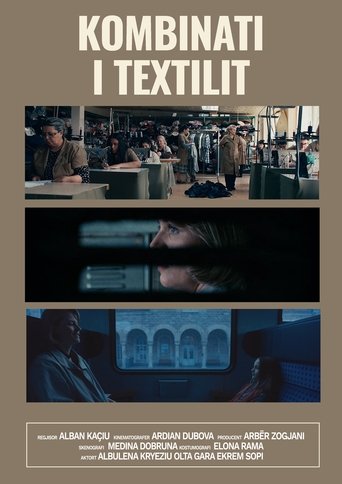
Merita (35), an elegant wife who knows nothing about her husband's fate, decided to defend her only daughter Tringa (7), from the director and the workers, giving her body, until she decided to leave the country to secure her daughter's life.

House With a Voice tells the story of six Burrneshas who, for different reasons, have decided to take on the social role of men. They have done this to circumvent patriarchal structures, to avoid misogynistic attacks, to support the family economically, to avoid compelled marriage and to be free. Our characters communicate with us intimately as they talk about their lives and bring us closely into their personal journey. They speak about freedom and oppression, about the promise of sacrificing their lives for the sake of their families’ survival. But also about the breaking of gender barriers and the power of the human mind to decide who we want to be.

A documentary about immigrants.

Hava's brothers decide to divide their paternal property. According to traditional customs, the right to inheritance belongs to male descendants only whereas Hava has no right to inherit. The eldest brother is obligated to find a husband for his sister. Hava must be married and live at her husband's house.
During their residency in Kosovo, directors Meray Diner and Dafina Daka uncovered harrowing accounts of sexual violence used systematically as a weapon of war. More than physical assault, these acts were aimed at breaking families and silencing generations. Na Thojshin Lutko Moja draws on the testimonies of Kosovar women survivors to explore the hidden emotional aftermath shame, isolation, and the cost of breaking the silence. The film reclaims a collective memory often denied, offering a powerful portrait of resilience.
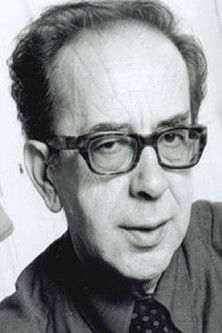
A film about one of the most famous Albanian writers, Ismail Kadare. "Literature is born and develops in every time, in every regime, regardless of its sharpness." Kadare's life path is depicted, from his native Gjirokastra to the streets of Paris, where he lives today.
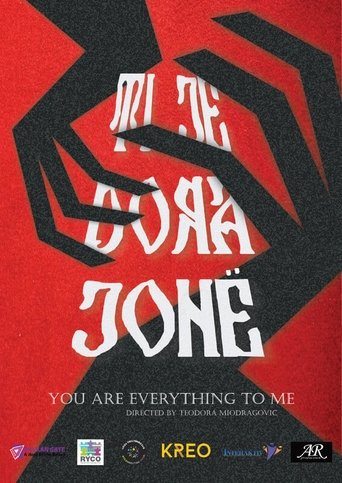
When people asked me about my trip to Tirana and the situation in Kosovo, I was drawn to explore more. Arriving in the city, I was intrigued by a Funeral Home and wanted to understand its significance and religious background. Tirana is home to three major religions living side by side, and I wanted to capture this coexistence. In my search for answers, I found that the feeling of loss is universal. Despite our differences, the shared experience of mourning connects us all, and this common thread is at the heart of my work.
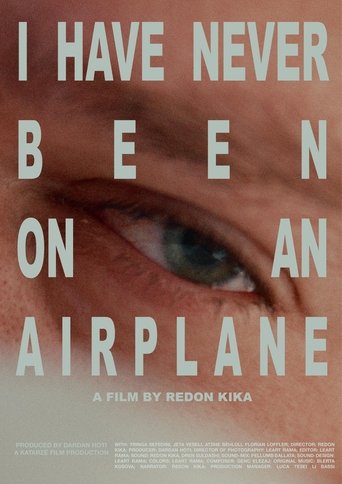
Tringa, Jeta, and Atdhe have never left Kosovo. In their twenties, they’ve spent their lives imagining the world through screens, grounded by visa restrictions. When they finally board a plane for the first time, the reality they encounter is far from what they imagined. Yet something shifts. In the space between departure and return, they begin to understand that growing up isn’t about where you go, but who you become along the way.
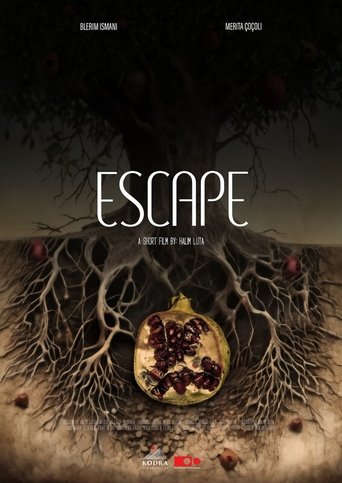
Garip, a 40-year-old doctor leaving in Germany faces the depth of his imagination and subconciousness.
The journey of a young man, trying to find himself.
In the domestic abuse shelters of Kosovo, live women who have suffered unspeakable physical, emotional and sexual violence. An anonymous interviewee’s story plays against footage of the capital, Prishtina, giving voice to those who have remained silent till now.
Small parts of a teenager’s life recorded within two years with a mobile phone, intertwined with her friends and her thoughts about herself, the present and the future in Kosovo.
Moving, personal doc captures the filmmakers fifty-four year old immigrant Kosovo mother as she attempts to pass an all-important German language test. Painter and video artist Zeqiri frames a cold and unforgiving Austria through the window of his mother’s apartment as she struggles through the difficult words and phrases.
A man in Mitrovica City (Kosovo) in his 50s claims he is Hitler, although he doesn’t support Hitler’s legacy. He says nature has bestowed upon him to become the living Hitler. This image has brought him financial benefits as well, as he charges 40 euros for photography. He adds that despite that fact that he has a controversial face, he gains much respect in his hometown Mitrovica. Even KFOR soldiers, NATO’s peacekeeping force, pay him respect by visiting him from across Kosovo to photograph him.
A love of creating the special circumstances and ending in tragedy.
A journey over time. Depicting different states of mind. Making visible, the invisible. Giving voice to the voiceless. A journey through the mind.
During the transition years of Kosovo, Bujar decides to follow his dreams to become an actor. After a couple of years, his small world back home experiences heavy rain and darkness with a single hope, to find the light at the end of the tunnel.
