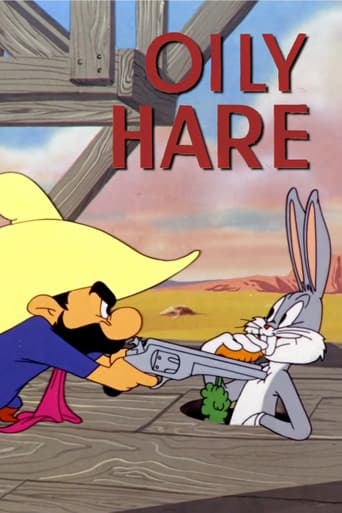
Oily Hare 1952
A Texas oilman fights Bugs over property rights to his rabbit hole.
A Texas oilman fights Bugs over property rights to his rabbit hole.

The period is the 1840s and California is part of Mexico. Many of the citizens wish to become part of the United States. Other countries are also interested and the Russians have established bases in the northern part of the state. To further their hold they have stolen guns and Don Arturo Bordega, a leader of those wanting statehood, is out to recover them.


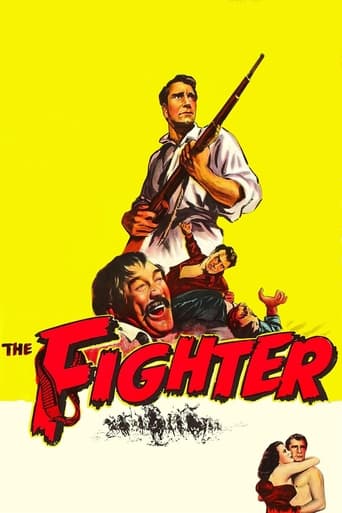
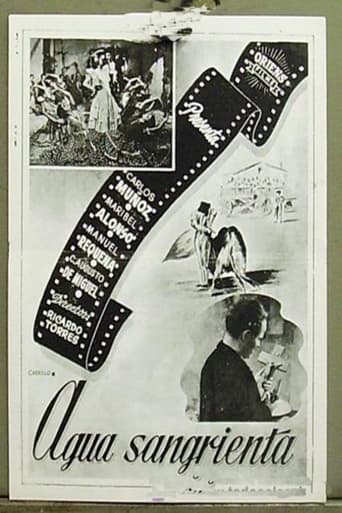
A boxer, in Mexico, sets out to avenge the murder of his family by using the money from his winnings to purchase weapons.
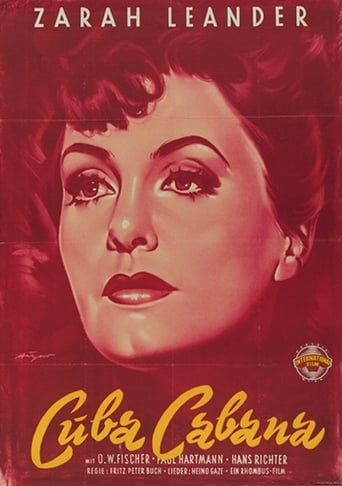
Three Finnish girls travel to Stockholm to look for work. But soon they notice that the big city is not such a great place as they thought. Most of the foreign men who they meet there are crooks and liars.
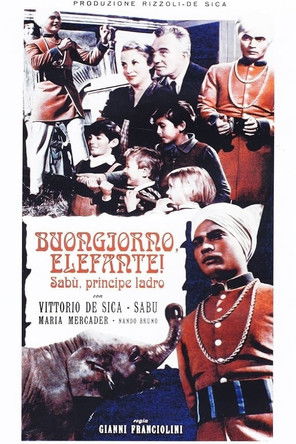
Vittorio De Sica is a teacher struggling to take care of his family and always dreaming that Parliament will increase the salaries for teachers and life will become easier for his wife, Maria Mereander, and kids. An Indian prince (Sabu) visits Italy, is assisted by the teacher and gives De Sica a baby elephant as a reward. This upsets the landlord, Nando Bruno, the other tenants, and the neighborhood. He takes the elephant away but, like Lassie, it comes home.
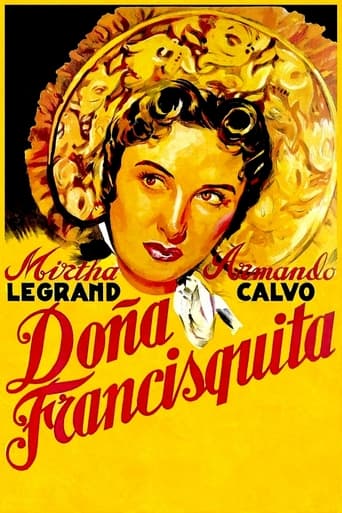
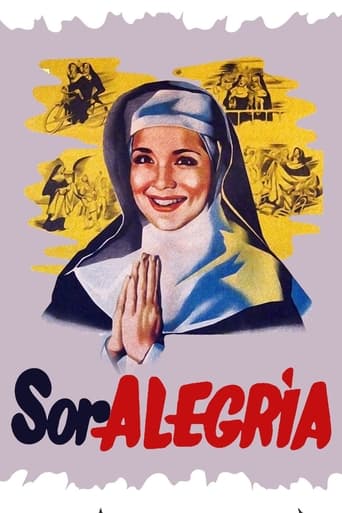
Francisquita secretly loves Fernando, but he is in love with the beautiful and fickle Aurora.
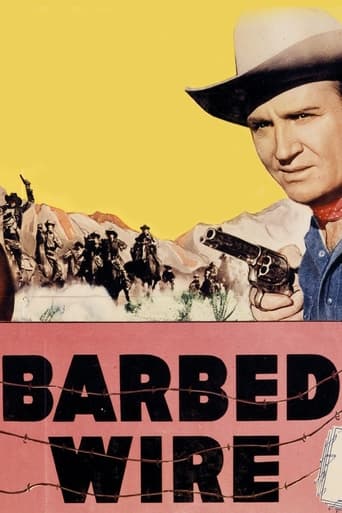
A cattle buyer, a federal agent and a newswoman snip a railroad plot.
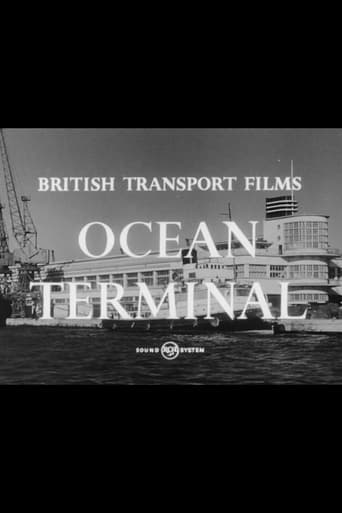
Southampton, a deep-water port with four tides a day, is an ocean terminal for the world's largest liners. Their coming and going, and the people who work with them are the subject of this film as they reflect in their personal lives some of the drama and romance of its situation. Among them are a tug skipper and his crew, a stewardess on a Cape ship, an assistant wharfinger in charge of handling baggage and freight, a taxi driver, and a pilot taking a great liner down Southampton water at night.
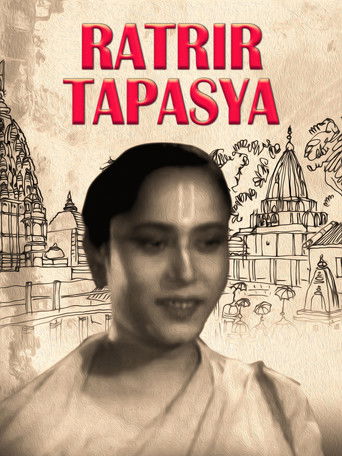
Bhupen is an excellent student who works as a private tutor to support his education and family. He begins to teach Sandhya who is a rich man's granddaughter. She ends up falling for him and that ruins his career, even though he did not feel the same for her. He later gets married to Kalyani but he and Sandhya still share a bond for the sake of her property.
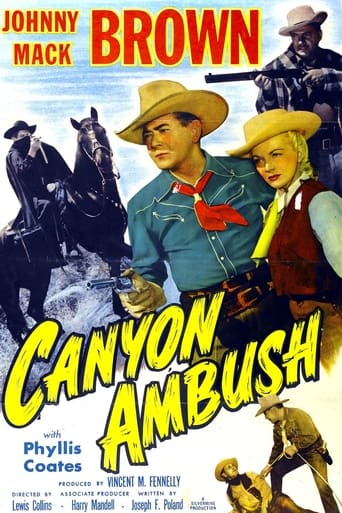
A mysterious masked rider and his gang are murdering ranchers and robbing stages. Government Agent Johnny Mack Brown has been called in to help the Sheriff.
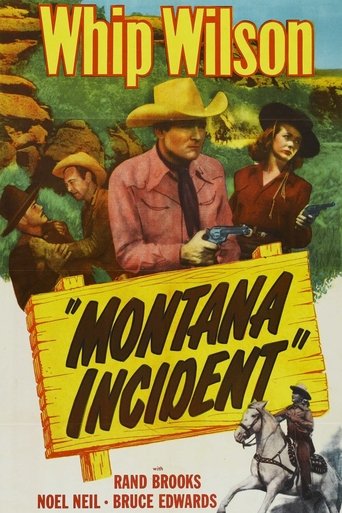
Whip is surveying land for a railroad but a land baron and one of his daughters stands in the way.
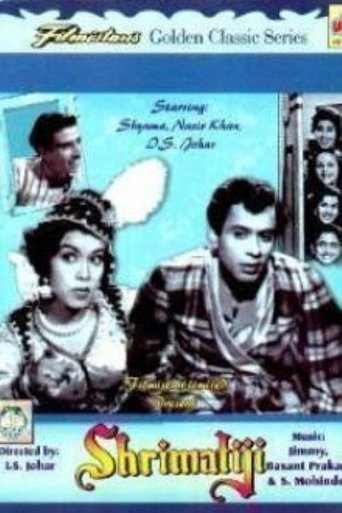
Shrimatiji is a comedic social satire centering around a middle-class housewife—her misadventures, misunderstandings, and life in a household setting. Though many plot details remain elusive, the tone is light, humorous, and situational with elements of mistaken identity and social commentary. One online synopsis hints at romantic entanglements, familial mix-ups, and comedic twists: the heroine finds herself accused unjustly, love sparks, misunderstandings brew, and identity crises ensue—all resolved by the end

German daily news program, the oldest still existing program on German television.
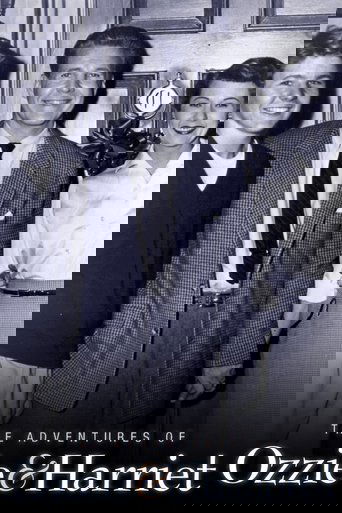
The Adventures of Ozzie and Harriet is an American sitcom, airing on ABC from October 3, 1952 through March 26, 1966, starring the real life Nelson family. After a long run on radio, the show was brought to television where it continued its success, running on both radio and television for a few years. The series stars Ozzie Nelson and his wife, singer Harriet Nelson, and their young sons, David and Eric "Ricky" Nelson. Don DeFore had a recurring role as the Nelsons' friendly neighbor "Thorny".

Four Star Playhouse is an American television anthology series that ran from 1952 to 1956, sponsored in its first bi-weekly season by The Singer Company; Bristol-Myers became an alternate sponsor when it became a weekly series in the fall of 1953. The original premise was that Charles Boyer, Ida Lupino, David Niven, and Dick Powell would take turns starring in episodes. However, several other performers took the lead from time to time, including Ronald Colman and Joan Fontaine. Blake Edwards was among the writers and directors who contributed to the series. Edwards created the recurring character of illegal gambling house operator Willie Dante for Dick Powell to play on this series. The character was later revamped and spun off in his own series starring Howard Duff, then-husband of Lupino. The pilot for Meet McGraw, starring Frank Lovejoy, aired here, as did another episode in which Lovejoy recreated his role of Chicago newspaper reporter Randy Stone, from the radio drama Nightbeat.
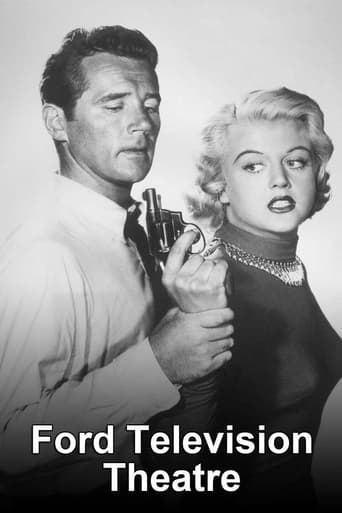
This show started in New York City, with Broadway actors and actresses. It then moved to Hollywood, California, where Hollywood actors and actresses headed the cast.
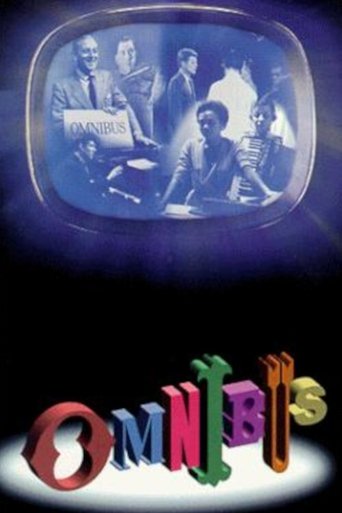
Omnibus is an American, commercially sponsored, educational television series.

Today is a daily American morning television show that airs on NBC. The program debuted on January 14, 1952. It was the first of its genre on American television and in the world, and is the fifth-longest running American television series. Originally a two-hour program on weekdays, it expanded to Sundays in 1987 and Saturdays in 1992. The weekday broadcast expanded to three hours in 2000, and to four hours in 2007. Today's dominance was virtually unchallenged by the other networks until the late 1980s, when it was overtaken by ABC's Good Morning America. Today retook the Nielsen ratings lead the week of December 11, 1995, and held onto that position for 852 consecutive weeks until the week of April 9, 2012, when it was beaten by Good Morning America yet again. In 2002, Today was ranked #17 on TV Guide's 50 Greatest Television Shows of All Time.
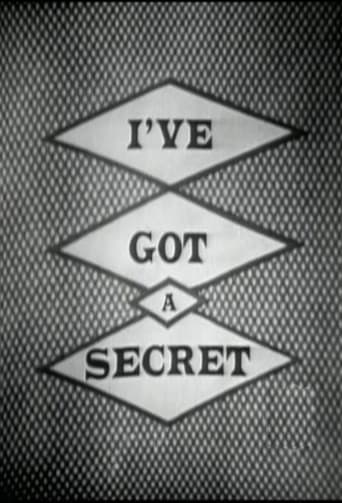
A panel tries to determine a contestant's secret: something that is unusual, amazing, embarrassing, or humorous about that person.
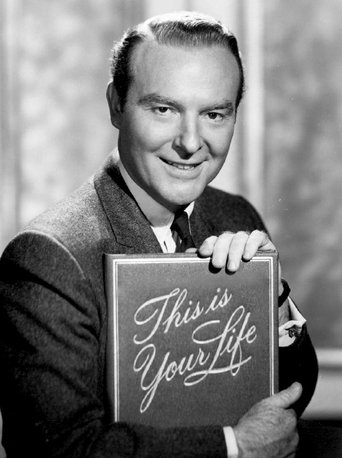
This Is Your Life is an American television documentary series broadcast on NBC, originally hosted by its producer, Ralph Edwards from 1952 to 1961. In the show, the host surprises a guest, and proceeds to take them through their life in front of an audience, including special guest appearances by colleagues, friends and family. Edwards revived the show in 1971-72, while Joseph Campanella hosted a version in 1983. Edwards returned for some specials in the late 1980s, before his death in 2005. The show originated as a radio show on NBC Radio airing from 1948 to 1952.
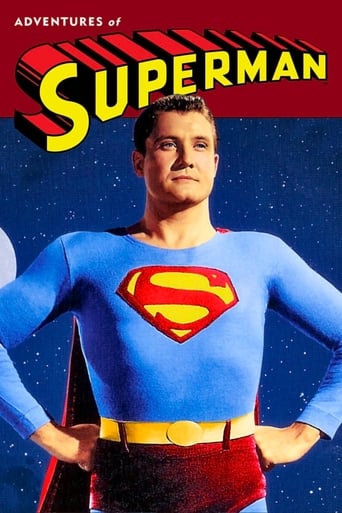
It's a bird! It's a plane! It's a syndicated TV adaptation of the beloved DC Comics superhero! You know the drill: When he isn't fighting for truth, justice and the American way, the man in tights dons a suit and glasses for his secret identity as Daily Planet newspaper reporter Clark Kent, who works alongside friends Lois Lane and Jimmy Olsen for gruff boss Perry White.

Guiding Light is an American television soap opera that is credited by the Guinness Book of World Records as the longest-running television drama in history, broadcast from 1952 until 2009, preceded by a 15-year broadcast on radio. Guiding Light stands as the third longest-running program in all of broadcast history; only the Norwegian children's radio program Lørdagsbarnetimen and the American country music radio program Grand Ole Opry have been on the air longer. On April 1, 2009, it was announced that CBS canceled Guiding Light after a 72-year run due to low ratings. The show taped its final scenes for CBS on August 11, 2009, and its final episode on the network aired on September 18, 2009.
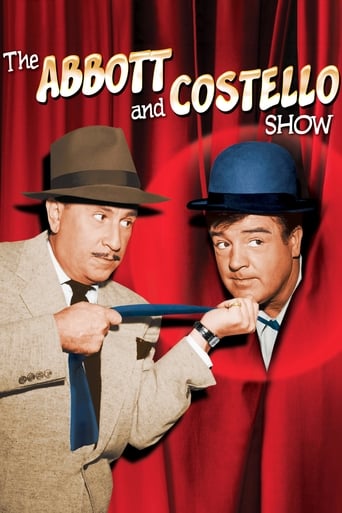
Bud and Lou are unemployed actors living in Mr. Fields’ boarding house. Lou’s girlfriend Hillary lives across the hall. Many situations arise leading to slapstick and puns.
Chevron Theatre is a 30-minute American anthology television series that aired from 1952 to 1954, featuring various dramatic stories with different guest stars in each episode. Notable actors included Natalie Wood, Raymond Burr, and Buddy Ebsen.
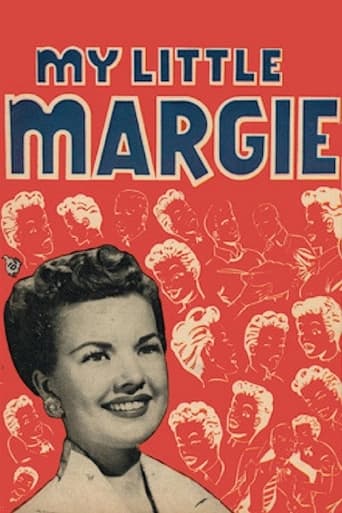
My Little Margie is an American situation comedy starring Gale Storm and Charles Farrell that alternated between CBS and NBC from 1952 to 1955.
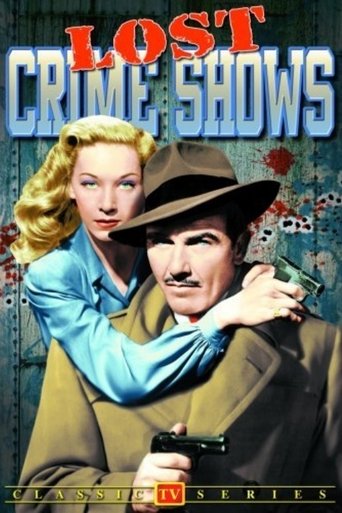
Cavalcade of America is an anthology drama series that was sponsored by the DuPont Company, although it occasionally presented a musical, such as an adaptation of Show Boat, and condensed biographies of popular composers. It was initially broadcast on radio from 1935 to 1953, and later on television from 1952 to 1957. Originally on CBS, the series pioneered the use of anthology drama for company audio advertising. Cavalcade of America documented historical events using stories of individual courage, initiative and achievement, often with feel-good dramatizations of the human spirit's triumph against all odds. This was consistent with DuPont's overall conservative philosophy and legacy as an American company dating back to 1802. The company's motto, "Maker of better things for better living through chemistry," was read at the beginning of each program, and the dramas emphasized humanitarian progress, particularly improvements in the lives of women, often through technological innovation.
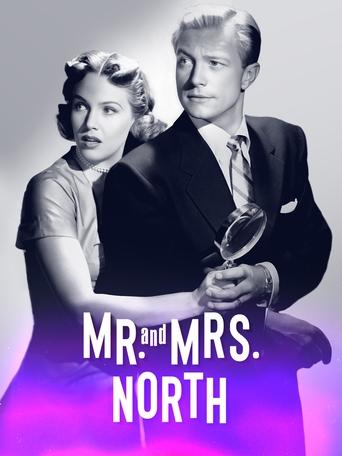
Mr. & Mrs. North is an American comedy/mystery television series that aired on CBS from October 3, 1952 to May 25, 1954. The series centers on Jerry North, a mystery magazine publisher who thinks he is a good amateur detective, and his wife, Pamela, as they solve crimes in New York City.
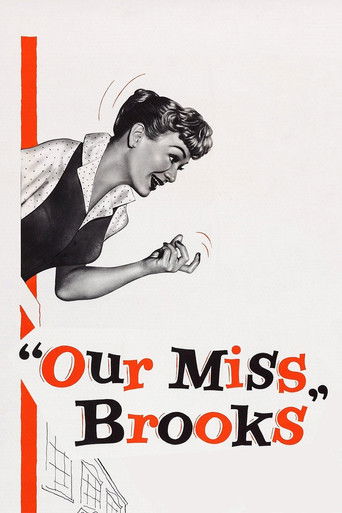
Our Miss Brooks is an American situation comedy starring Eve Arden as a sardonic high school English teacher. It began as a radio show broadcast on CBS from 1948 to 1957. When the show was adapted to television, it became one of the medium's earliest hits. In 1956, the sitcom was adapted for big screen in the film of the same name.
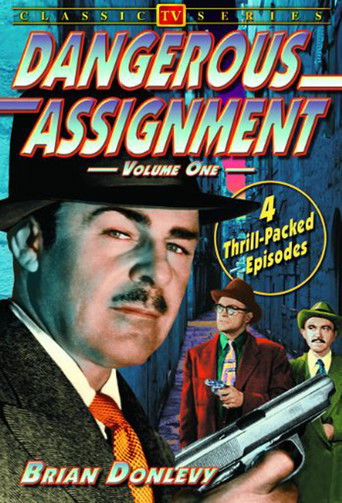
A U.S. government agent travels the world on undercover missions in this 1950s series. Star Brian Donlevy originated the role on radio in the '40s.
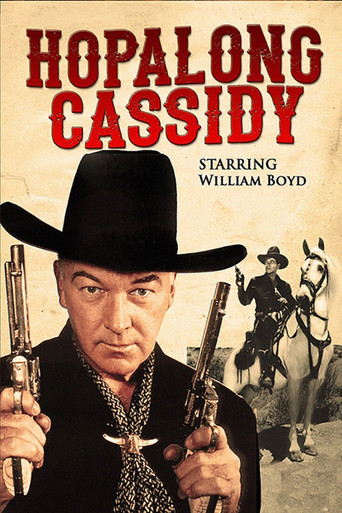
Hopalong Cassidy was television's first western program. The series aired on NBC and stared William Boyd as the cowboy Hopalong Cassidy.
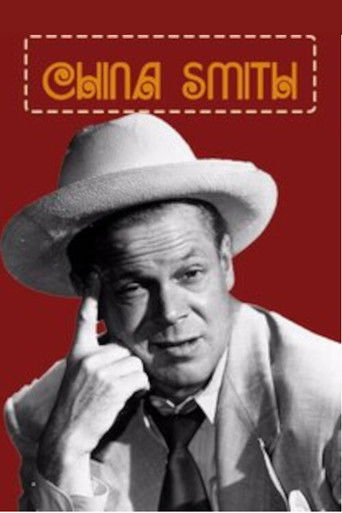
China Smith was a 1950s television adventure series starring Dan Duryea. The television show takes place in Singapore. Much of the cast and crew also worked on the film World for Ransom, which is considered an extension of the television program. Director Robert Aldrich had also directed two episodes of the series. The title character was a soldier of fortune wearing a white suit living in Singapore who would face danger and excitement every week. The series was made with a two-year gap; the first 26 episodes being filmed in Mexico, the second 26 episodes were shot in 1954-1955. In 1959 Daffy Duck played China Jones a parody of Duryea's character.
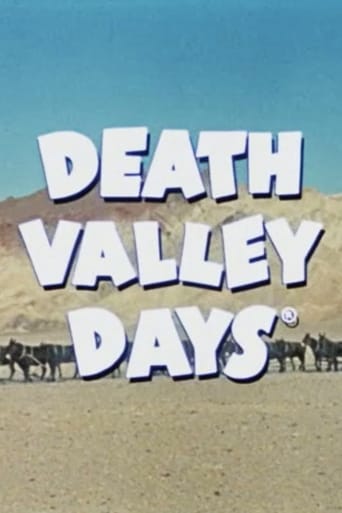
Death Valley Days is an American radio and television anthology series featuring true stories of the old American West, particularly the Death Valley area. Created in 1930 by Ruth Woodman, the program was broadcast on radio until 1945 and continued from 1952 to 1970 as a syndicated television series, with reruns continuing through August 1, 1975. The series was sponsored by the Pacific Coast Borax Company and hosted by Stanley Andrews, Ronald Reagan, Robert Taylor, and Dale Robertson. With the passing of Dale Robertson in 2013, all the former Death Valley Days hosts are now deceased.
