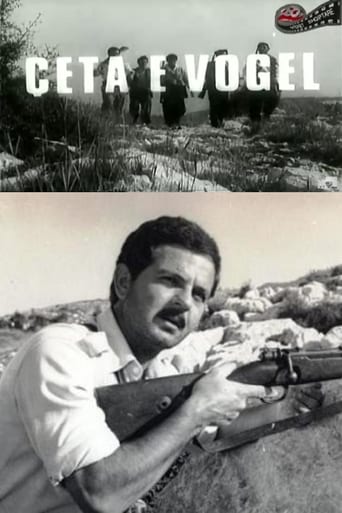
The Small Unit 1979
Based on the true story of the Vig heroes, about 5 soldier friends who get executed by the Nazis in the north of Albania.
Based on the true story of the Vig heroes, about 5 soldier friends who get executed by the Nazis in the north of Albania.
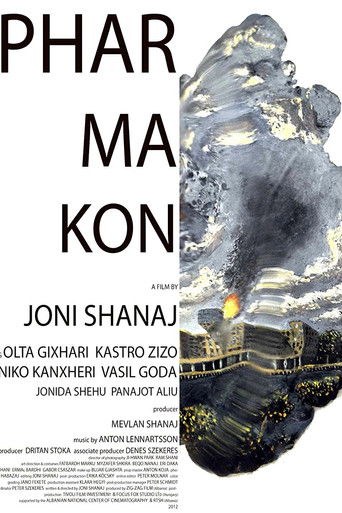
A young pharmacist enters into a casual relationship with a young woman alleged to be his father's secret mistress, in contemporary Tirana.
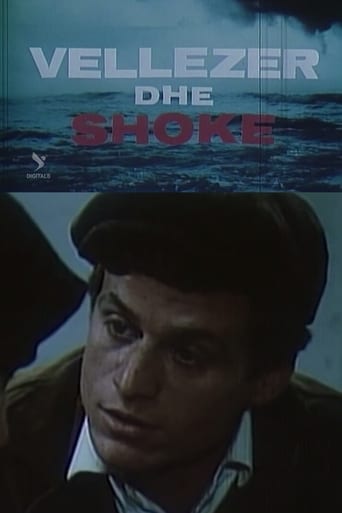
The year is 1941, World War II is going on. Vaso returns to his village, helping the revolt of the villagers against the enemy. Marko, his brother, wants to get revenge against the people who took his fiancée. This revenge becomes part of the overall revolt.
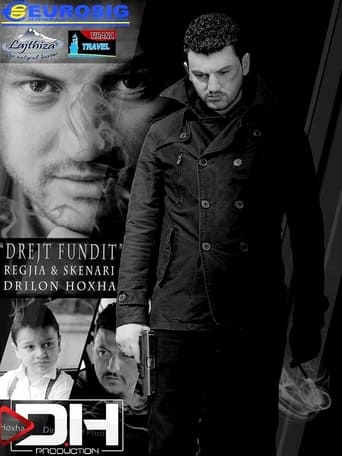
An Albanian thug makes his way to the top of the mafia empire.
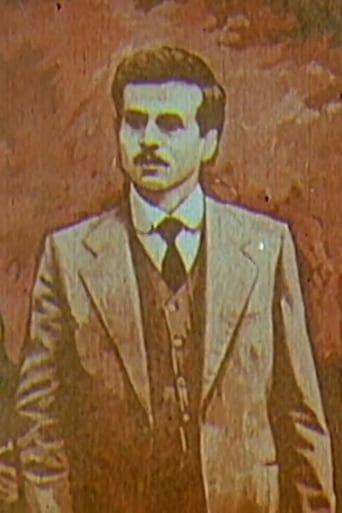
Biopic about the patriot and political activist Avni Rustemi.
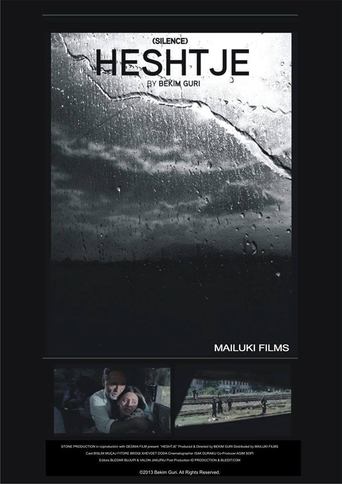
Kosovo 1999. In the Midst of the deportation of civilians during the war, a father must choose between his daughter’s life and death in order to save her form the horror.
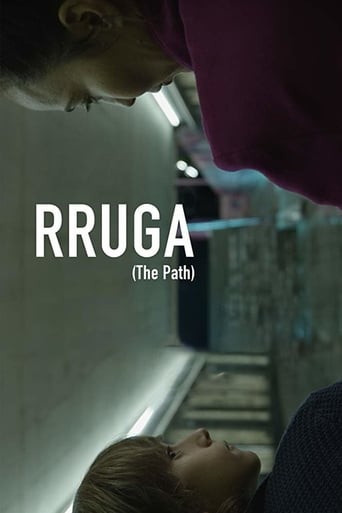
After midnight, Lena (37) scared and fleeing, meets Genti (11) in an underpass at the center of the city. After they get to know each other, they talk about the reasons of them being there.

Lena and Ardi have to get married. As immigrants in America they agree to an arranged marriage by their old fashioned parents, who desperately want to keep the traditions. The comic and lovely moments between them start when they make another arrangement. Living for them selves too. Until it lasts. Based on true story.

By 1980, Albania had broken with all the world’s superpowers. The isolation pushed the country into a corner. Industrial production slowed to a virtual standstill. Lines grew for bread, meat and milk. To inspire the typical socialist worker, this Kinostudio production highlighted the achievements of a model labourer who’s met his work goals thirty years into the future. Director Musliu ironically mirrors much of the ridiculous rhetoric that filled most of the era’s state-controlled media.
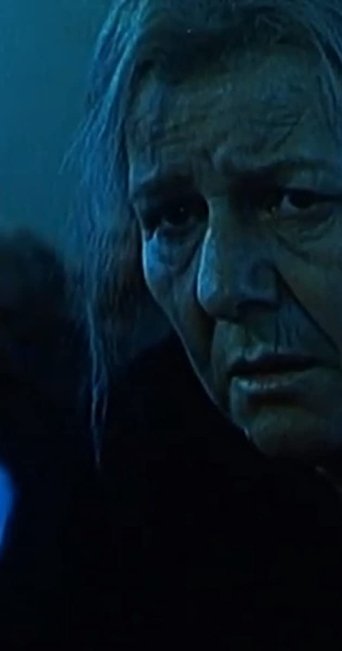
An elderly woman, who lives with her nephew, starts losing touch with the living.
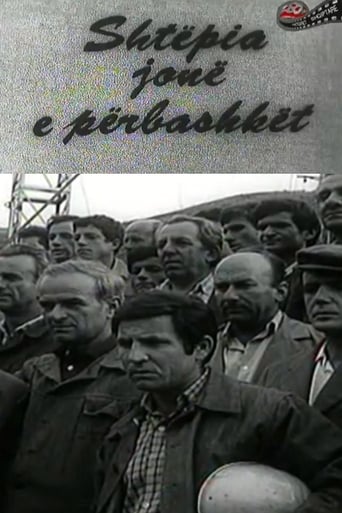
In the family of Kozma Selita, everyone is fond of their work. Mom Vita is a tailor, his elder son Xhoxhi works at the oil refinery, Aurora is a pharmacist and Vaso works at the oil well. Flonja loves Vaso and wants him to quit his job at the oil well, but he loves his job and cannot accept that.
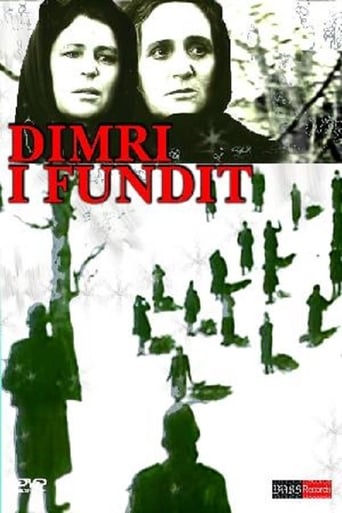
Germans come amid snow and winter. In the village only people remained are women, that fight until wounded partisans, sheltered in the village, will retreat deeper and snow will cover their tracks. Face to face with the Germans and their control of the village, women, led by mother Shano and mother Mara, depart to make a pile of wood, but actually bring bread and food to the partisans.
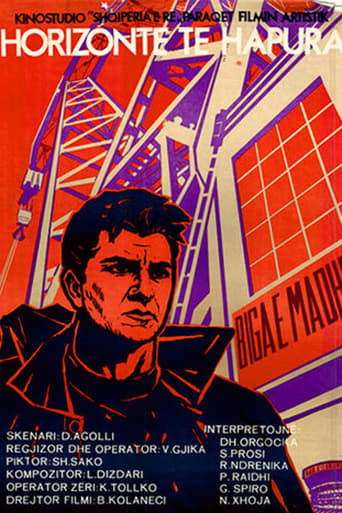
In 1968, Horizonte Te Hapura, directed by Viktor Gjika, one of the pioneers of Albanian moviemaking, broke new ground. Its subject matter was contemporary, rather than being a historical piece or an action drama set among the partisans of World War II. In the story, a dockworker sees that a crane, a crucial piece of shipyard equipment, is being endangered by a violent storm, and despite considerable danger to himself works to save it. ~ Clarke Fountain, Rovi
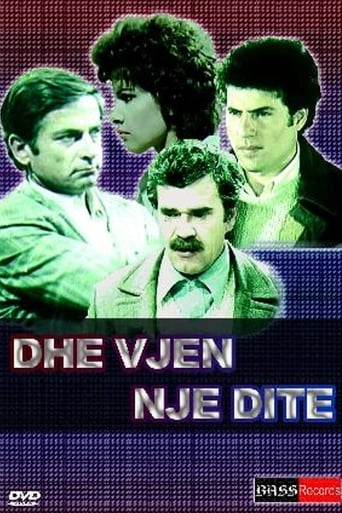
Llano Bleta's individualistic spirit for a more comfortable life for himself makes him cut ties and trample on the sentiments of his loved ones and coworkers. This moral degradation in also evident in his new job.
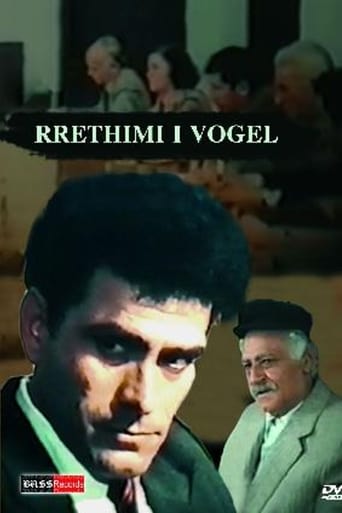
Agron, a new chairman of the district executive committee, feels encircled by authority of his mother in law, Frosa and some relatives and friends, which want to make use of Agron's position for their own interests.
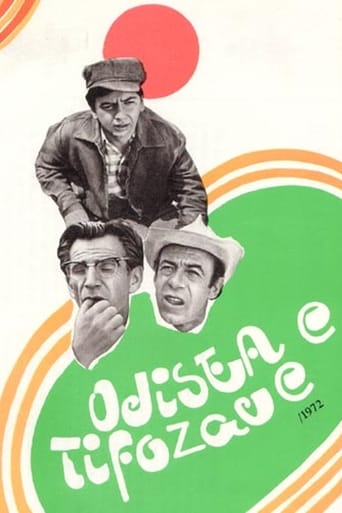
A comedy about a group of fans who cause mischief.
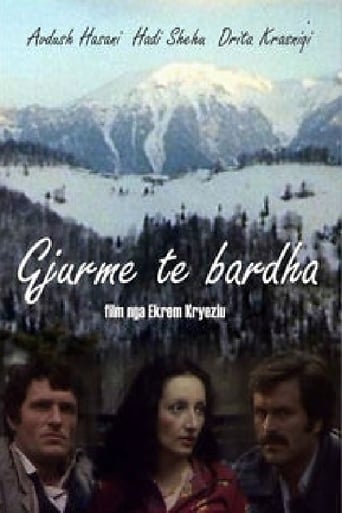
A couple of foresters living in the snowing mountains of Rugova get stuck after a blizzard.
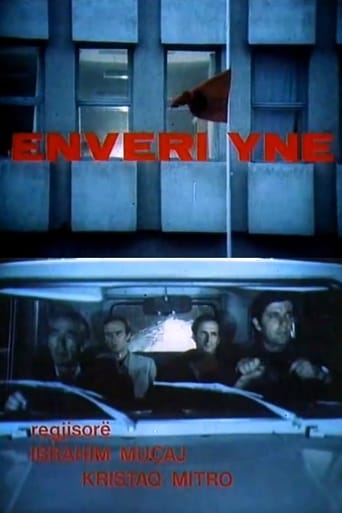
The film director, Bujar, is making a movie about the life and activity of Enver Hoxha. During the film, many retrospectives from the war times till the end of his life are given.
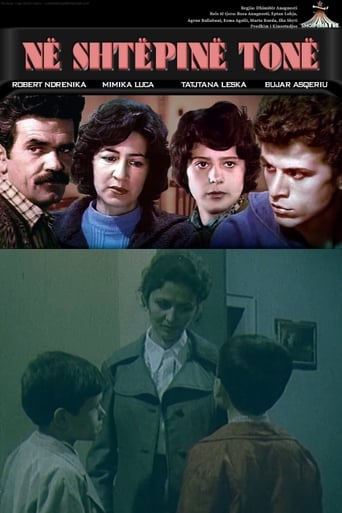
After a disagreement with his teacher, a young boy runs away.
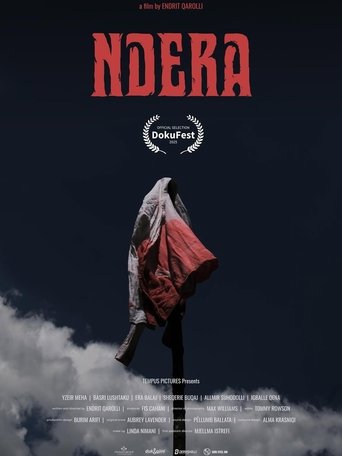
A young man named Ylber finds himself on the run after a tragic accident, stumbling into a remote Albanian village in search of refuge. Seeking shelter, he is welcomed by Demush, a quiet, stoic villager steeped in the ancient code of the Kanun—a strict honour tradition of hospitality and demanding blood for blood. Though Ylber is treated as a guest, tension simmers beneath Demush’s hospitality as he begins to suspect there’s more to his visitor than Ylber lets on.
