
Mom and Dad 2006
The year is two thousand and something. An elderly couple live alone in a flat in Sarajevo, with their own rituals: drinking coffee, playing cards, watching TV.
The year is two thousand and something. An elderly couple live alone in a flat in Sarajevo, with their own rituals: drinking coffee, playing cards, watching TV.
During the 1990s, an unnamed protagonist lives with his dying mother and elderly father in the Sarajevo neighborhood of Dobrinja. One seemingly ordinary day in 1992, the Serbian siege of the city begins and he ends up being trapped within the confines of the neighborhood of Grbavica, where he hides away from the enemy forces and artillery fire in a small apartment owned by his family. During his stay in Grbavica, he quickly bonds with a young man he calls The Musician and falls in love with a young woman whose forced to prostitute herself in order to be able to provide care for her ailing grandmother.
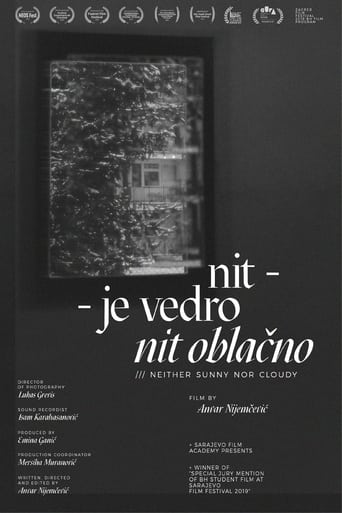
A story about a retired soldier and a former homeless man, now living in his hard-won new home – the Centre for the Homeless.
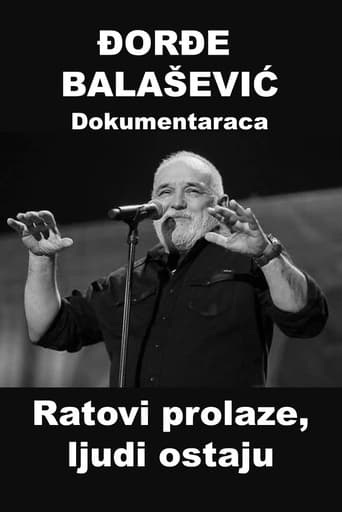
20 years after the concert that marked the first performance of a Serbian artist in post-war Bosnia, Đorđe Balašević returned to Sarajevo. With new songs and unforgettable memories. An emotional two-night performance opened the question – how much has changed in the previous two decades?
A young writer living in a hotel room, in the midst of a crisis of superficial relationships with multiple women, calls an old friend to reconnect and talk about the one real connection he had prior.
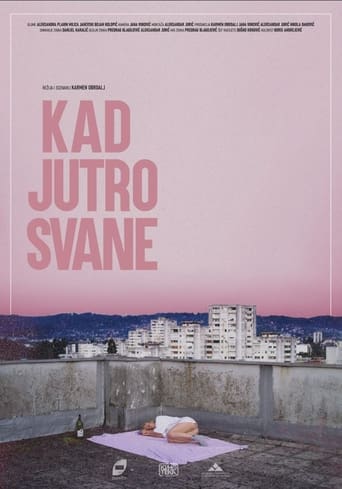
Lonely self-conscious girl spends her days drinking wine on the roof and waiting for her boyfriend to come home. She can sense that something is wrong - he suddenly got cold. Lack of sex and his friendship with another woman worsens her body image. We watch what happens to them that "one more day" that they stay together.
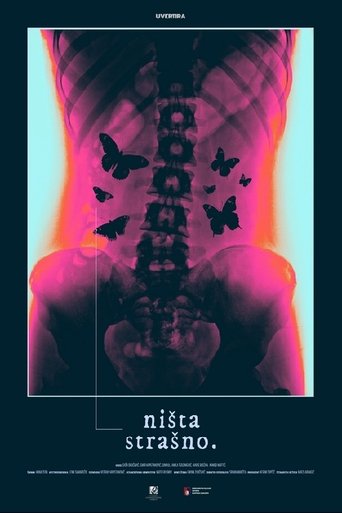
After Sead suddenly experiences severe stomach pain, he is taken to the hospital, where the doctor tells him he needs emergency surgery.
Nearly 20 years since the end of the 1992-95 Bosnian war, there are people who still live in refugee Centers, usually located on the outskirts of cities and villages. In such centers what should have been temporary has become indefinite. Collecting medicinal herbs or scraps from nearby coal mines and raising children who were born as refugees in their own country are just some aspects of the monotonous daily life of the people in Ježevci.
The members of Serbian army kill innocent Bosnian Muslim victims after Srebrenica massacre in the nearby village of Kravice.
One room. One man. One decision. Not by many words, but by pure emotion, the movie Countdown gradually, but completely overwhelms the viewer, leading one into a very intimate world of a young man, where an intense battle between his desire for life and an unbearable sense of guilt takes place.
Where does tolerance reside? Where does individual end and collective begin? And who claims the privilege to grant or deny rights?

Jasmina and Zijo live on the outskirts of Ljubljana. Zijo works as a butcher and sings Bosnian sevdalinke (love songs) and drinks out of despair. Jasmina is pregnant and wants to live a normal life.
Old man Zaim is alone in the world and wants to change that. He is in love with his neighbor Munevera. Munevera doesn't want him. But there are those who do.
In a bizarre tango lesson, everyone is dancing. They follow the instructor, who leads them towards a more passionate approach to the tango. One of the students does something that may upset the balance of this awkward reality.

The story of Džemal Džihanović, the producer of folk music.
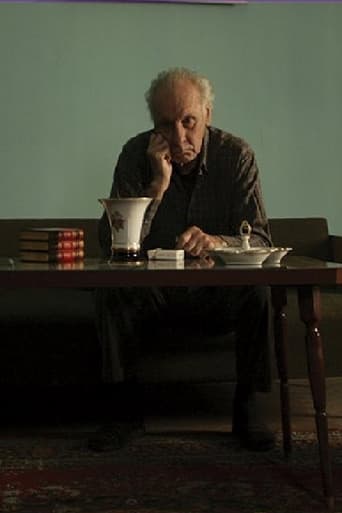
Forgotten old partisan leads a lonely life. His only interests are watching neighbors and sumo. One day something he sees with his WW2 binoculars makes him set out on the last guerilla mission.
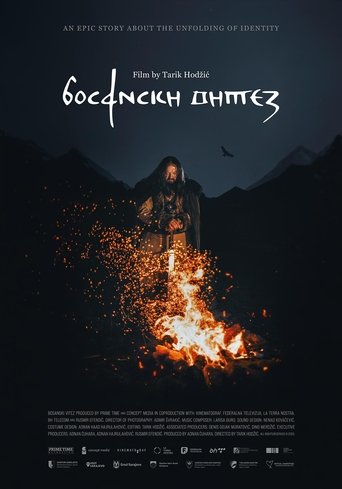
A documentary about the history of the Bosnian national, linguistic, historical and cultural identity, from the earliest written records of their existence until present day.

The author of the film about the “coach of all coaches” and the celebrated coach of the ‘Vatreni’, who won bronze with Croatia at the World Cup in France in 1998, is Bosnian-Herzegovinian sports commentator Sabahudin Topalbećirević. Those who feature in the film include former players Davor Šuker, Robert Jarni and Aljoša Asanović, but also Bosnian-Herzegovinian national team players Edin Džeko and Miralem Pjanić, as well as many others. The film begins with a look back at Ćiro’s childhood, reminiscing about the difficult days of growing up in Travnik during World War II, and some sad and tragic moments in his life, and then experiences a twist by highlighting his famous playing and coaching days on football fields in Switzerland, former Yugoslavia, Croatia and Bosnia and Herzegovina.
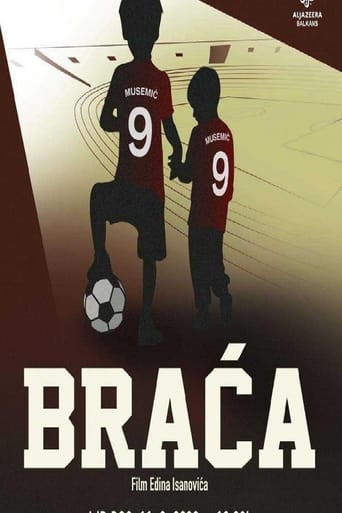
A film story about sports success and brotherly love, full of emotions and memories of the time when FK Sarajevo was the champion of the former Yugoslavia on two occasions. Vahidin and Husref Musemić were each in their respective time the goal scorers and best players of the Sarajevo's champion teams.
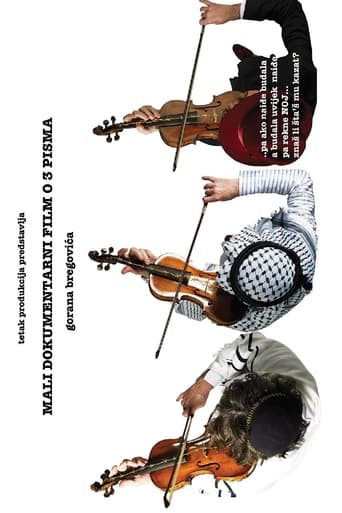
The main role in this documentary film belongs to Sarajevo, not just as a city but as a metaphor for our times, when we are learning to live together, side by side, respectful of all our differences.

