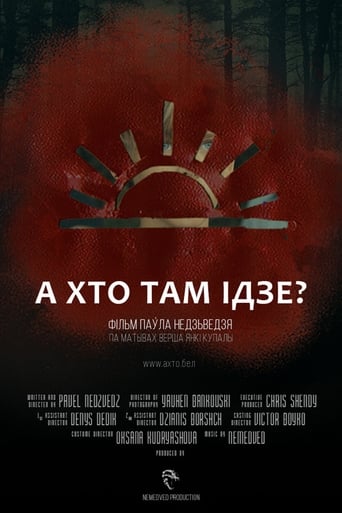
Who Goes There? 2020
Belarusian poet Yanka Kupala wrote his verse "And, say, who goes there?" more than 100 years ago. And now, when the call for change is heard, only the bravest dare to come out of the forest and at least look: "Who goes there?"
Belarusian poet Yanka Kupala wrote his verse "And, say, who goes there?" more than 100 years ago. And now, when the call for change is heard, only the bravest dare to come out of the forest and at least look: "Who goes there?"
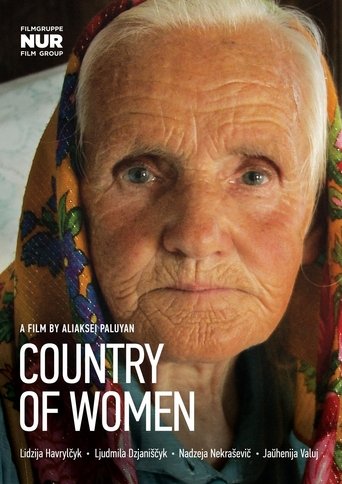
The Belarusian village Lubeiki is inhabited solely by women. They not only outlived their husbands, but their children as well. Nevertheless, they have immense vitality and will to live. In the words of one of the main characters, "life is short, but sweet." In the film, they sift through their memories and share with us their wisdom.
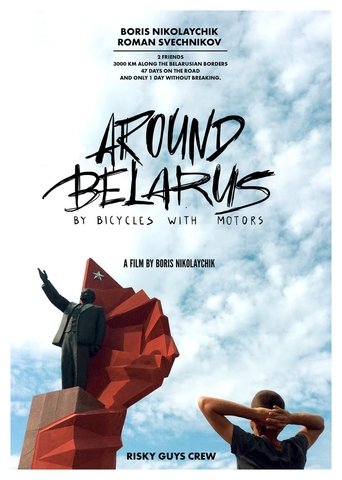
Two friends set off on a journey along the borders of Belarus on Chinese bicycles with gasoline engines. 47 days of travel, endless breakdowns and dozens of random encounters add up to sketches about the life of the outskirts of the most Soviet of all post-Soviet countries. Villagers, students, rappers, drunks. The long road gradually erases the line between reality and cinema, and with each kilometer it becomes more difficult to distinguish one from the other.
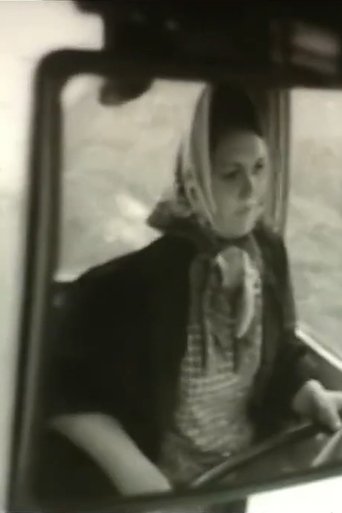
This is the film about woman's autumn. Her photo was published in numerous newspapers. She appeared on TV. She got thousands of letters with proposals of friendship and love. Some time all Soviet Union knew her. Maria is the name of a tractor heroine famous in the Soviet era, now alone in her cottage in the country.

Wedding traditions of Polesie.
Traditional marriage matchmaking in Polesie.
Film closely depicts christmas caroling from Polesie.
Behind the barbed wire of the 30-kilometer Chernobyl zone. Only once a year are people allowed to visit the abandoned villages. On Radunitsa, former residents scattered around the world come here.

A group of archaeologists, led by future politician Zianon Pazniak, discover a mass grave in a forest near Minsk.
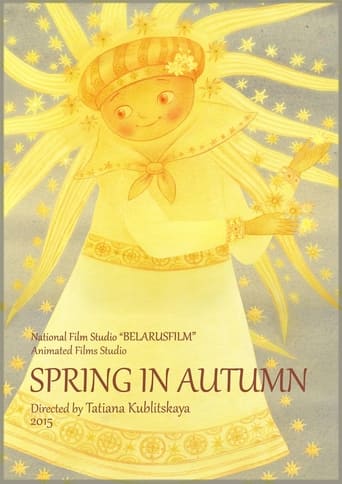
Little boy Janka became seriously ill and huddled deep within his bed. He would like to see the Sun, but autumn has chased away the good weather, cold rainy day was outside behind the window. Janka's sister, Alenka, is going to help little brother and goes to look for the Sun.
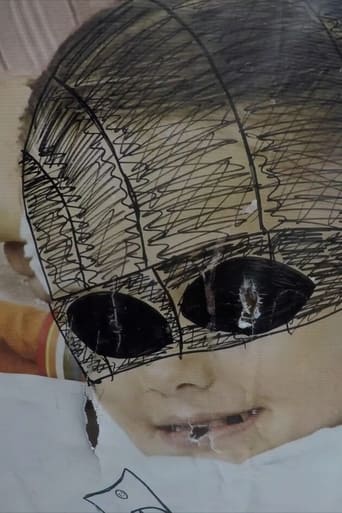
Breaking taboos: Belarusian contemporary artist Aliaksei Kuzmich gives us the keys to understanding his art of action.

A choice... Does it even exist? And if it does, what should one do with it?
Where is this train going? Passengers are lulled to sleep by the rhythmic clatter of the wheels, familiar poetic lines about the native land, and folk songs. Is it possible to change the direction, to hop on another train, to rewind the tape? Quavering reflections dance in a strange roundelay: the grain, a girl, a stork, a bone, the truth, and the resentment... Welcome to the Gray Edge.
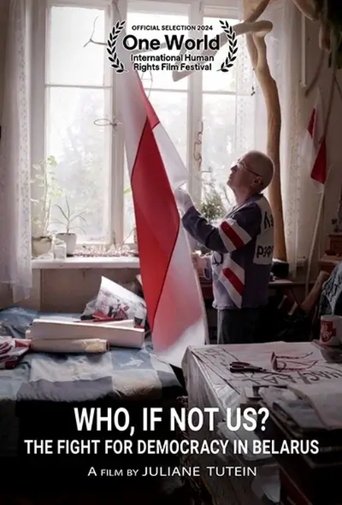
In 2020, the biggest protests against the government to date formed in Belarus. The protesters were met with violence and restrictions, many of them were given draconian prison sentences. A dangerous climate that sought to nip political activism in the bud took hold. For “Who, If Not Us? The Fight for Democracy in Belarus,” Juliane Tutein filmed and researched for three years in a country that had not seen a change of elites with its supposed independence in 1991. She discovered mainly women at the forefront of the courageous protesters. This portrait is dedicated to three of them: Nina Baginskaya, in her mid-seventies and active in the fight for an open Belarus since the 1980s, Tatsyana “Tanya” Hatsura-Yavorskaya, founder of the human rights film festival “Watch Docs”, and Darya Rublevskaya, the youngest at 22, who works for the “Viasna” human rights centre founded by Nobel Peace Prize laureate Ales Bialiatski.
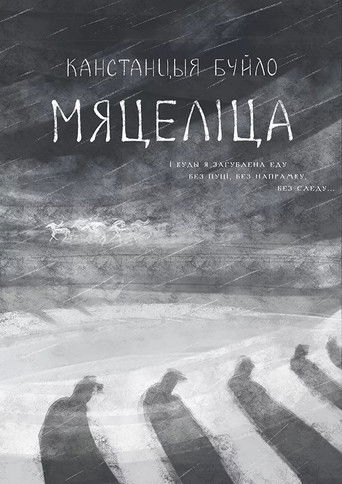
A snowstorm. An endless snowfield. Snow that never ends. A herd of white horses rushes past a chain of prisoners, dragging through the eternal night. As shadow intersects with light, so does death intersect with life. And this spontaneity is never-ending.

The complex life of simple figures.

Belarusians did not even discuss under which flag to unite. Memory and respect for the white-red-white banner has always lived in their hearts, and now, through pain and suffering, it has awakened and inspired the nation to move forward.

2 couples – one gay and one straight. Their delicate romance.
