
We have never been kids 2016
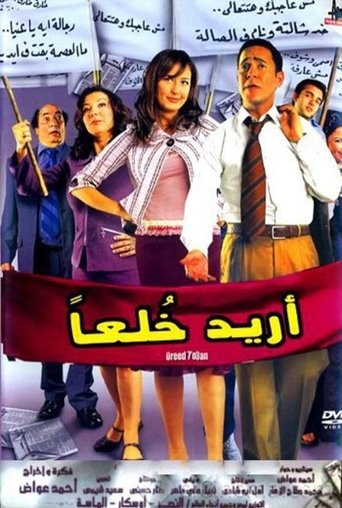
An Egyptian woman is trying to look after her four children, especially in the lead-up to and aftermath of her divorce from their father. However, over time, the circumstances around her gradually change on all levels.
An Egyptian woman is trying to look after her four children, especially in the lead-up to and aftermath of her divorce from their father. However, over time, the circumstances around her gradually change on all levels.
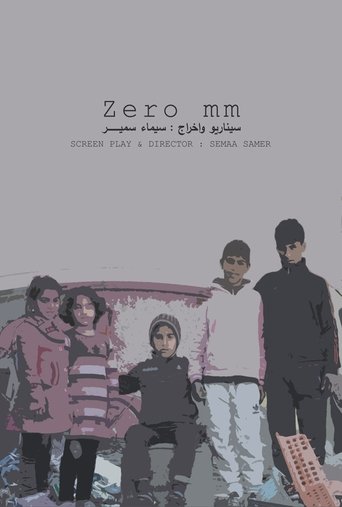
Some homeless children who live in car park struggle for life.
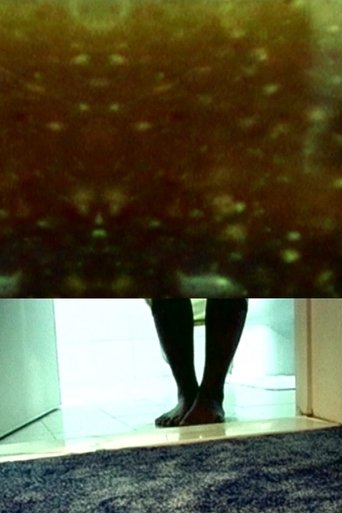
A young woman who is seemingly being prepared for an arranged marriage. The use of dramatic camera angles, changes of film exposure and camera focus, all serve to express her inner state of agitation, but the story is more implied than spelled out.
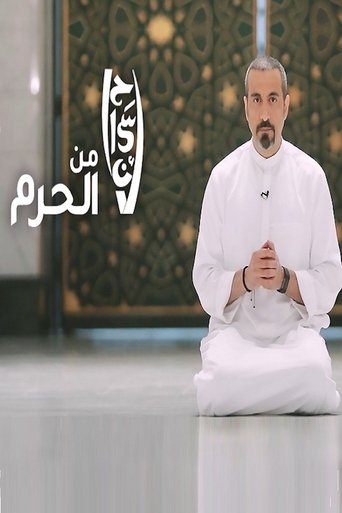
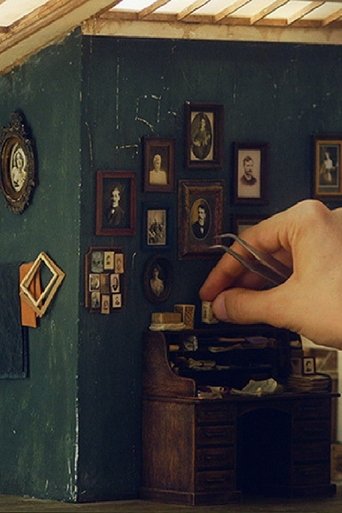
An Iraqi refugee bides his time in immigration limbo by creating obsessively detailed dioramas.
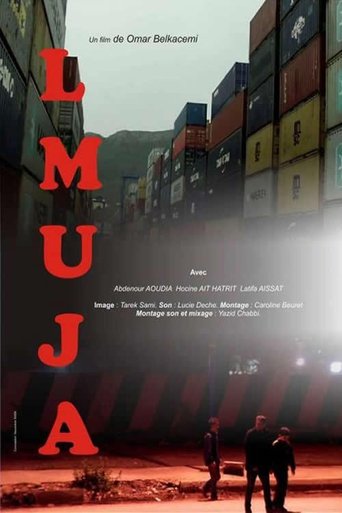
Omar Belkacemi’s The Wave tells the story of Algerian journalist and writer Redouane, who comes back from Europe to investigate a wave of suicides in his native country during the mass lay-offs of the late 1990s.
What happens if a beloved person disappears, leaving you no choice other than radicalism or the blind faith in a stranger.
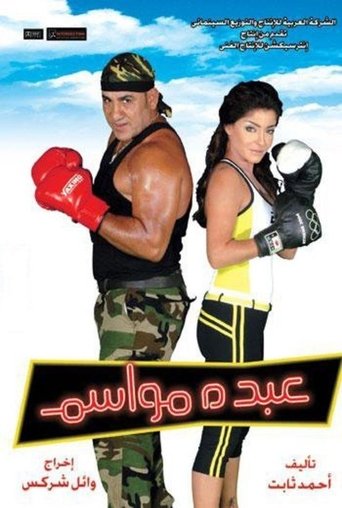
Abdo is a poor man living in a slum, who does not surrender to financial inablities and unemployment and always searches for "seasonal" jobs, hence his nickname. As a hobby, he practices boxing since he was a kid. When a sports researcher discovers Abdo's talent, she helps him to change his life forever.

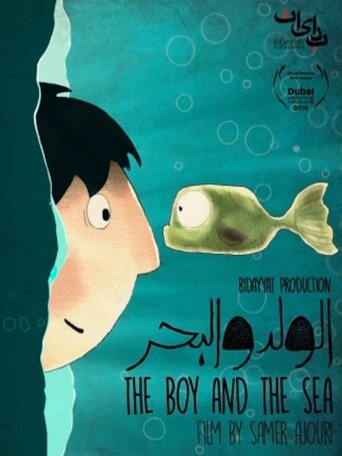
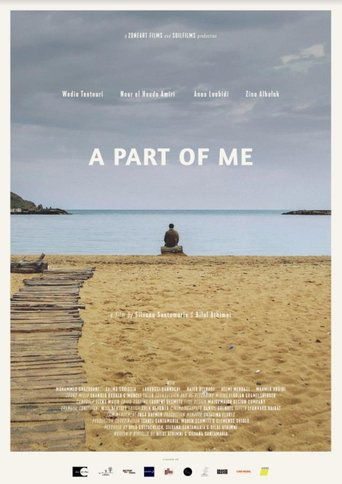
Once there was a boy who loved drawing the sea. One day, he dove into the sea, hoping to escape war. However, he was trapped between screens that had appropriated his story. The international media captured Alan Kurdi’s lifeless body on Turkey’s shores. And they never let go.
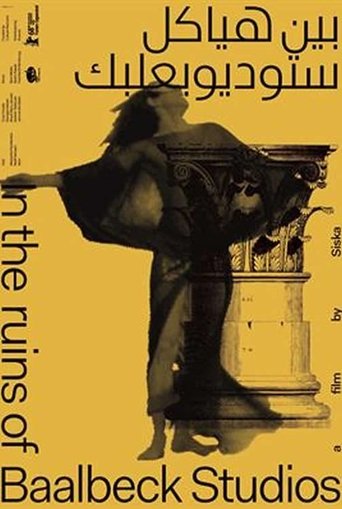
Shows the ruination of film heritage in Lebanon, navigated through the country’s cinematic heydays in the late 1960s and early 1970s. This period witnessed a rise of Egyptian producers and directors moving to Lebanon to make films partly due to Nasser’s nationalization of Egyptian cinema.
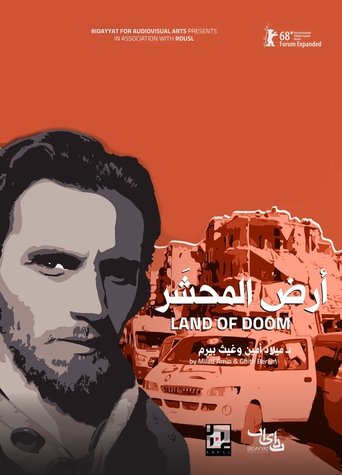
The film depicts the last days of eastern Aleppo’s siege. Just before its fall, Milad Amin, residing in Beirut, follows up with his friend Ghith, an activist and photographer, who like so many other civilians still remains in the besieged city. Following Ghith via his camera through the ruins of the city, we hear the two friends talk about people’s situations while waiting for their fate amidst the fighting parties. The film is an intimate and personal recording of civilians’ sufferings during this time of siege, hunger, and war – and a recording of both the relationship of activists brought together during the civil movements and of the geographic distances that separate them due to violence, bombing, and killing.

A vision of a revolutionary journey... A fragment of an image... A vision of a culture of resistance in a difficult revolutionary process leading to reflection.
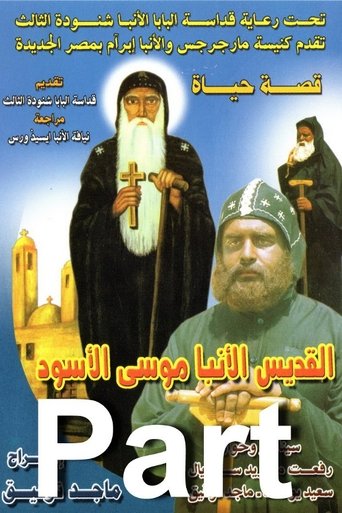
The life of St. Moses the Black
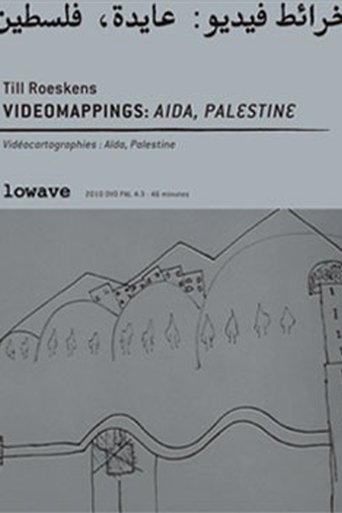
Somewhere, amid a tangle of borders, a refugee camp. People trapped in a situation that becomes more absurd every day, trying to live a human existence. We don't see their faces. We don't see the places they talk about. However, we are drawn very close to their intimate experience of the world as we follow, line by line, the maps they are drawing to represent the complexity of the spaces around them.

A MEMORY IN KHAKI is a cry out for that which is embattled inside the spirits of individuals who lived under the oppressive Syrian regime. The auteur's personal narrative is interwoven with those of other Syrian characters who were forced, because of their political beliefs, to leave the country before or after the revolution. The film sheds light on years of silence, fear and terror, and it dives into the stories, which were behind the eruption of Syria’s society and the start of its revolution. It is a Syrian account, which, by laying out the past, tells the story of the future.
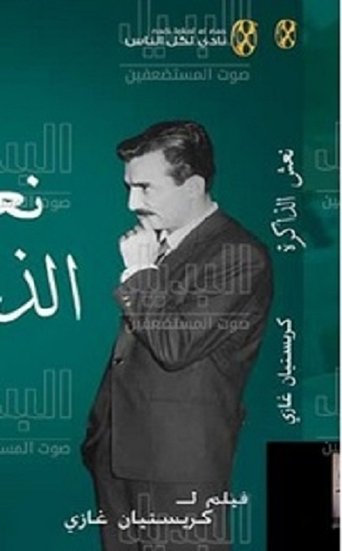
After an interruption of thirty years. Christian Ghazi resumes his cinematographic work with the documentary "Coffin of the Memory". The film mixes newly shot interviews with archive images. In the interviews it sheds light on two basic issues, solitude and economic situation. Through images and simple daily situations, Christian Ghazi draws a portrait of the Lebanese society, a society drowning in its contradictions and its search for an empty individualism and the superficiality of daily consumption, that of production, ideas, time and space.

The Children of Ibdaa: To Create Something Out of Nothing is a 30-minute documentary about a Palestinian children's dance troupe from Dheisheh refugee camp in the West Bank. The children use their performance to express the history, struggle, and aspirations of the Palestinian people, specifically the right to return to their homeland.
A parable on the Syrian present by mixing footage of the protests in Syria and a circus performance that involves a lion and goes awry with a nod to Fellini’s cinema.
