
Le vélo 1981
A short film by Ahmed Zir
A short film by Ahmed Zir
I tell my side of the mother-daughter story which has changed dramatically since my father's death. The emotion is raw, embarrassing and honest. The movie ends but, "I think it will go on."
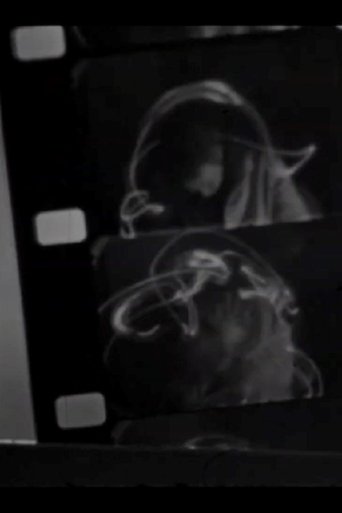
Experimental film on 16mm by Ioan Pleș as part of Kinema Ikon.
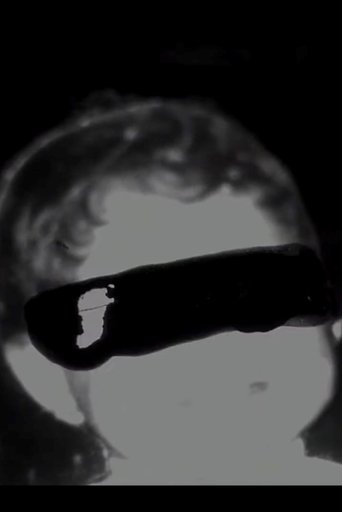
Experimental film on 16mm by Emanuel Țeț as part of Kinema Ikon.
A video by Dale Hoyt
A video by Dale Hoyt
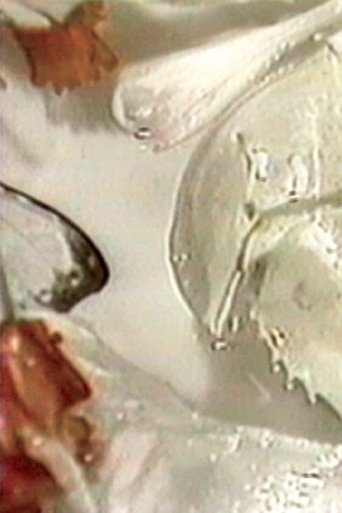
Symptomatic Syntax is a recreation of an ecological environment in which natural forms — leaves, flower petals, butterfly wings — form an ever-changing, visually compelling series of compositions. Juxtaposed with these organic forms is a series of texts that examine time, logic, and the dichotomy between the mental and the physical. This complex fusion of the sensual and the cerebral questions the understanding of time and natural progression.
1981, 01:00:16
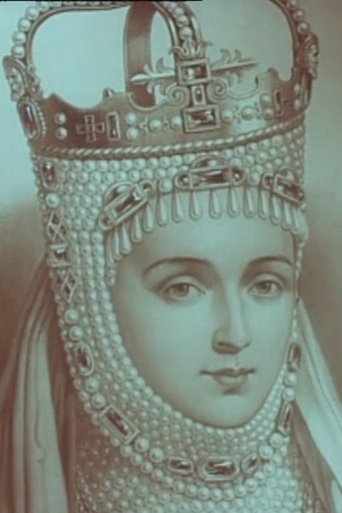
A story about a version that Madonna of the Gate of Dawn is an artistic expression of the drama that Barbora Radvilaitė experienced.

A film about rural blacksmiths.
SIREN ISLAND is a real find-stream-of-consciousness from Switzerland. Director Isa Hesse-Rabinovitch creates a moviegoer's 'Morpehus Descending,' a dream trip on stepping stones of the drugged self into an Underworld/Underground of floozy female 'chanteuses,' drag acts and the lunatic fringe of showbiz. Mostly set in New York but also slithering for surreal variation through the skull-piled catacombs in Rome, this narrative fantasia is pure association-of-ideas in film form. (...) –Harlan Kennedy, 1982 Venice Film Festival, Film Comment
Jaime Davidovichn searches in vain for the meaning of "avant-garde".
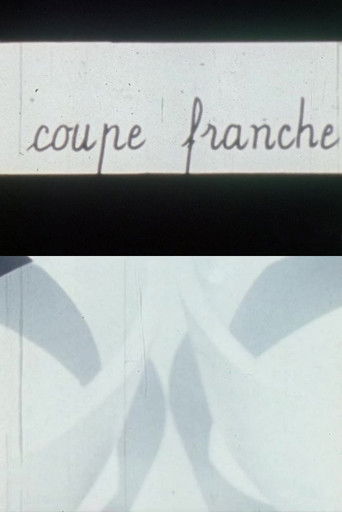
A series of variations of abstract forms taken by "cuts" from objects in my daily universe, is an attempt to abolish the subject in favor of cinematographic language.
Featuring cameos from several international artists including actress Elizabeth Shepherd and CBS Records’ group The Industrials along with many other American performers! An amusing and surreal comment on the ‘film-within-a-film’ sub genre as expounded in the 1960’s by Fellini, Truffaut et al. —LUX
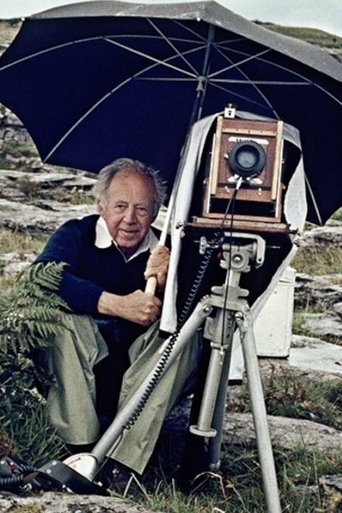
In 1935 photographer Willard Van Dyke moved to New York with the belief that films "could change the world" and began a new career as a filmmaker. His name soon became synonymous with social documentary in the U.S. His images of cottonfields, steelmills and industrial towns, and his portraits of unemployed factory workers and their families, provide an invaluable chronicle of those years and have become timeless examples of cinematic art. A candid portrait of a distinguished and outspoken man, this film includes conversations with colleagues Ralph Steiner, Joris Ivens and Donald Richie; footage of Edward Weston, his close friend and mentor; and many excerpts. It explores the dilemma of anyone with a social conscience who must face the harsh realities of earning a living while retaining their integrity. And it reveals a man in his seventies still determined to do good creative work.
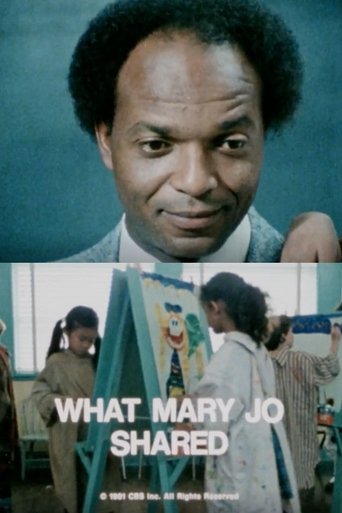
A short film for school kids about the importance of sharing.

Into my hands fell a 20-minute exhortation to find the right job after high school. Struck by its fierce redundancy, I undertook a distillation, editing the optical track, aiming for conversational cadence, choosing image only when silent. Preserved by the Academy Film Archive in 2013.
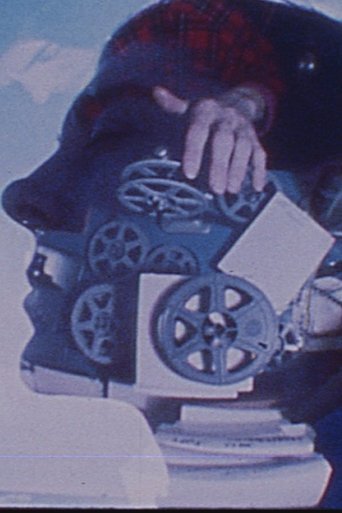
A house of trick cards, the woman as house. "A marvelous smorgasbord of images." – Edgar Daniels "Architectural structures become the structures of relationships, establishing the windows of communication (between parents and children, between lovers) while preserving a sense of enclosure, isolation." – Dave Kehr

The film wants to highlight a dream visions through a special film technique composing the colour images (like a colour photocopier at work) through red, green and blu excepts. Some sequences have colours that only add up two primary colours. in other sequences I use masks.
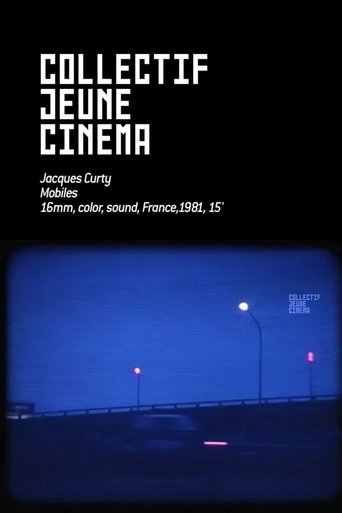
Mobiles works with regulated frame movements becoming increasingly more unpredictable : a controllable, closed space, in which more random and unrestrained movement are distributed. This device allows forms to be deployed by the movement, but is still untapped by narrative film: contracting and leaking spaces, crushed signs, decomposition of movements by other movements, dripping and corpuscular choreography. Mobiles is the result of a continuous tension between abstraction and reality. The same goes for the relationship between sound and image, which echo one another.
