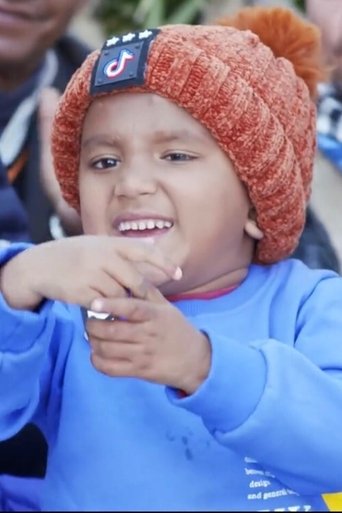
OTHA KHOLERA 2021
The debut song sung by Sachin Pariyar, a genius child actor. More than 13 million views on YouTube.
The debut song sung by Sachin Pariyar, a genius child actor. More than 13 million views on YouTube.
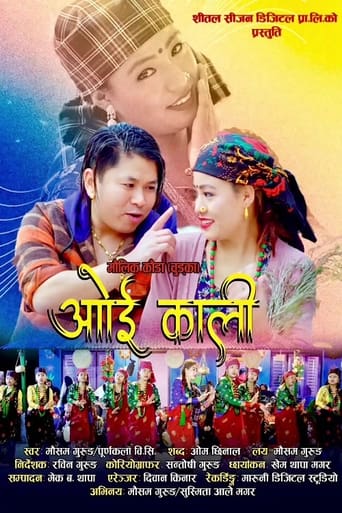
A man and a woman meet in a village, singing and dancing and courting.
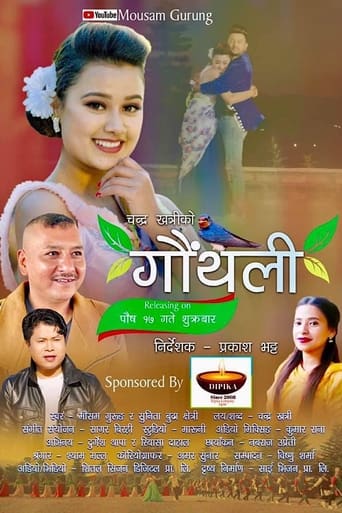
Sing, dance, and cheerfully confess.
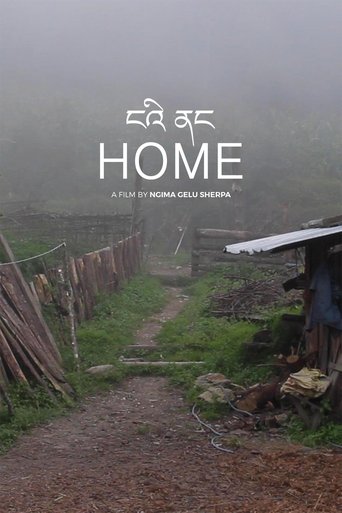
A young Nepali man, preparing to launch a filmmaking career in Europe, is suddenly summoned home to the Everest region. There, his father—a Sherpa livestock farmer—is ailing. In this intimate portrait, the director explores his relationship to his birthplace, parents and the world of tradition and ritual he thought he had left behind.
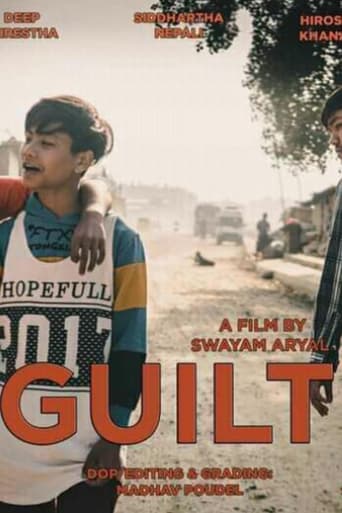
Two boys,One man and The Streets

On teacher day, a school boy who is bothered by his teacher’s excessive punishment puts his thoughts on discipline into practice.
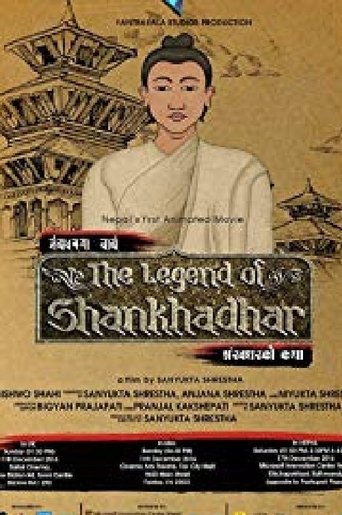
The plot traces the historical narrative of Shankhadhar paying off the debt of all the residents of Kathmandu Valley, and thus beginning the calendar which began with the “year all debts were paid,” as Nepal Sambat has been cited as in historical documents.
An elderly fisherman, meditating on past memories and rituals at the end of his life, is visited by a young, familar-faced boy who just wants to play.
Filmed over seven years, Drawing The Tiger is a intimate portrait of a family in rural Nepal who get a chance to break their cycle of poverty: Their brightest child is awarded a scholarship to attend school in the city. When she doesn't return home, the family is forced to survive without her or the opportunity they believed would change their fate.
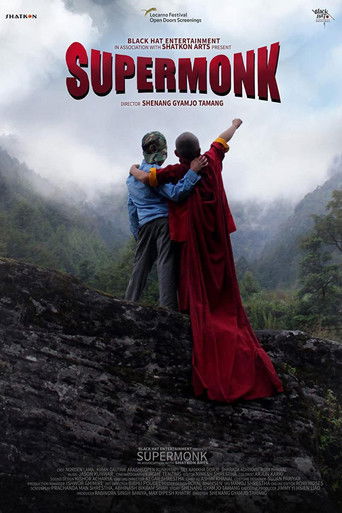
The journey of an eleven years old monk, who finds his way of applying the Buddha’s teachings of compassion and joy in an unconventional way
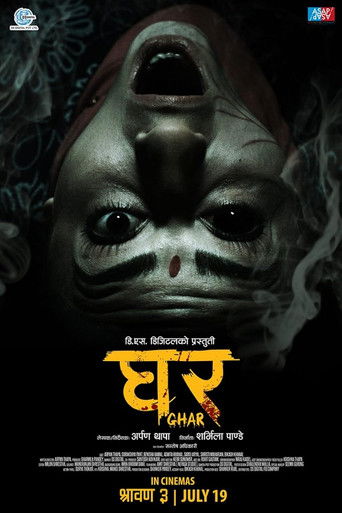
Ghar (Nepali: घर; transl. House) is a 2019 Nepali horror film written and directed by Arpan Thapa under the banner of DS Digital in association with ASAP Entertainment.
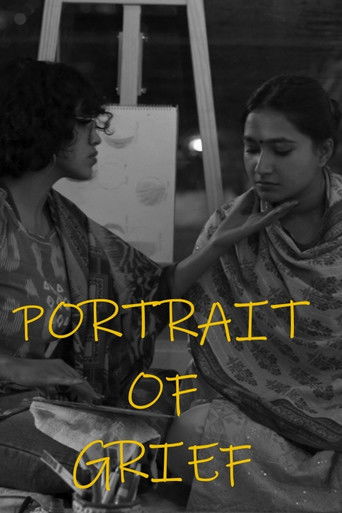
A small excerpt from the scenes of a complicated relationship between a mother and her daughter.

The Australian sun baked the dreams of a group of students each fighting their own battle for building their future, recovering student loans, fulfilling of parent's demands and expectations. However the circumstances raise everyone's life and they have to face emotion, dramas, unraveling conspiracy, masterful performance and revenge with the ironic ending.
The story is regarding a doctor, RAJA, and his lost girlfriend, Maina, who he founds after 15 years. The story is based on the love affair and life struggle of these two lovers "MAINARAJA".
“DHAAGO" is a powerful heartfelt story of love,sacrifice,(dreams,and the unbreakable bonds of family and friendship. the story follows Ronak and Anu,a hardworking couple who put everything into building a better future for their children,Misti and Deep.
The untold story of 21-year-old Chhesang, who is navigating gender dysphoria and holding onto the hope of full acceptance.
“The Korean Dream” is about a migrant worker who sacrificed 18 years of his life in struggle to fulfill his influence in the Korean society. Likewise, the dreams of many migrant workers have ended with disappointments, the dream of main character. Therefore it’s an attempt to show how human rights have been dominated and exploited under the name of government. Furthermore, it’s about broken dreams of those migrant workers that were forced to be in exile or under detention.
After a successful season in the Upper Dhauladhar Mountains, a hunter hides his meat in a cave and heads home with his first load. At home, his wife is upset over his prolonged absence and its impact on their disabled daughter. He promises to return quickly and the next morning, sets out to retrieve the rest of the meat and leave the forest for the season. To his dismay, he finds the cave empty and the meat stolen. Using his hunter instincts he launches a desperate search through the treacherous mountain, discovering that the rival is just as cunning. In this quest for meat, humans behave no differently than wild animals. Battling harsh conditions and difficult terrains, they go to all extremes to prove themselves stronger and more deserving. This allegorical tale of conflicting morals and twisted values reveals the true nature of man in the wild.
Bhotkhola is one of the 20 beyul, which is what Tibetans call the sites of paradise in the Himalaya. The local people and the monks believe Bhotkhola was tucked away among the mountains by the gods so that it would not be disturbed. That is why, they say, it should be preserved and protected from human defilement. Yet, the people have turned to destroying trees that take a hundred and fifty years to mature. Caravans bearing timber to Tibet and bringing back foodstuff to Nepal is a common sight all over Bhotkhola. This film deals with the pro-conservationist tradition and people’s compulsion to cut down the priceless Himalayan forest which will not regenerate once it is gone.
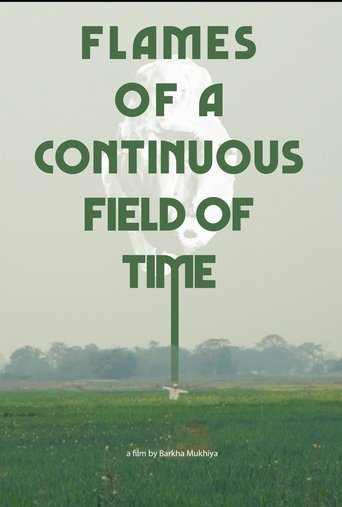
This film travels through a multitude of voices attempting to be choicelessly aware of the interdependent nature of our existence in a system that has, for thousands of years, dehumanized Dalit women's bodies and existence. In the film, we live through the experiences of injustice, resilience, and resistance of women from the Dalit community, examining the ever-reproducing nature of an oppressive society by invoking the art of seeing, learning, and listening.
