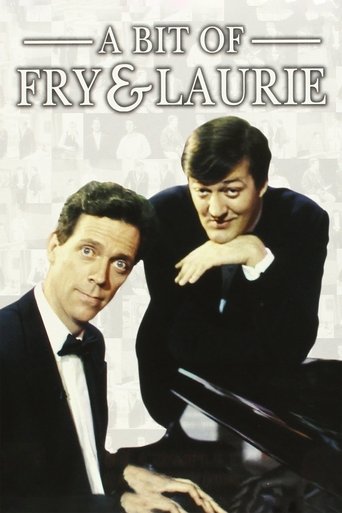
A Bit of Fry & Laurie 1989
A British comedy television series with turns of phrase and elaborate wordplay, written by and starring former Cambridge Footlights members Stephen Fry and Hugh Laurie.
A British comedy television series with turns of phrase and elaborate wordplay, written by and starring former Cambridge Footlights members Stephen Fry and Hugh Laurie.
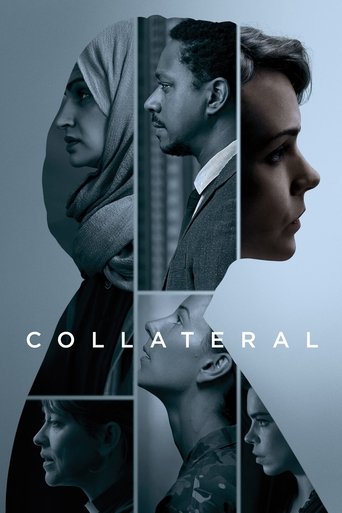
When a pizza delivery driver is shot dead in south London, a tenacious detective goes after the people traffickers behind his murder and unravels a conspiracy that goes to the top.
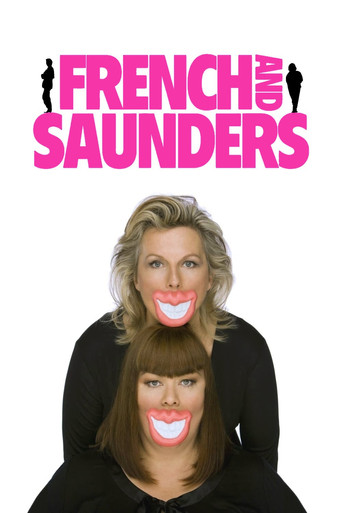
French and Saunders is a British sketch comedy television series written by and starring comic duo Dawn French and Jennifer Saunders. It is also the name by which the performers are known on the occasions when they appear elsewhere as a double act.
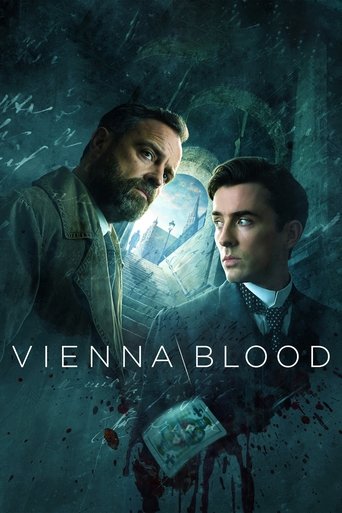
Max Liebermann, a student of Sigmund Freud, helps Detective Rheinhardt in the investigation of a series of disturbing murders around the grand cafes and opera houses of 1900s Vienna.
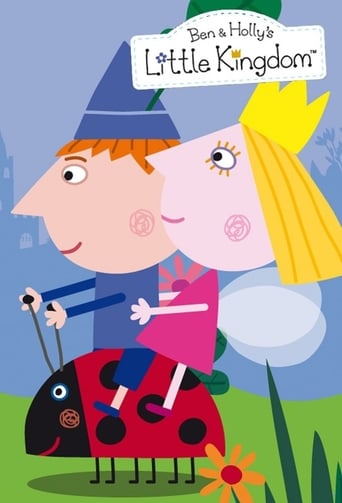
The friendship between fairy princess Holly and Ben Elf in an enchanted magical kingdom of elves and fairies.
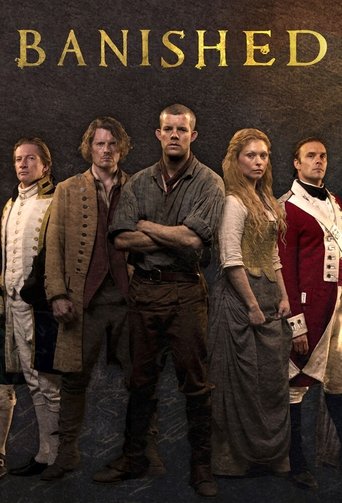
Banished is a British period drama television serial created by Jimmy McGovern. The seven-part serial first aired on BBC Two from 5 March to 16 April 2015. It received mixed reviews, with most of the criticism for its perceived inaccuracies to the depicted events. Though set in the stark historical reality of the founding of the penal colony in Australia in 1788 after the arrival of the First Fleet, it is not the story of Australia and how it came to be. Rather, it is a tale of love, faith, justice and morality played out on an epic scale in a confined community where the stakes are literally life and death.
Mark Cousins invites film actors and directors to watch major scenes in their career to date, and to talk us through them.
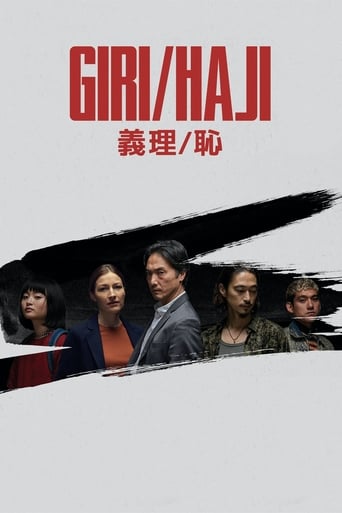
Family duty sends a lawman to London to look for his mob-assassin brother as a yakuza war threatens to engulf Tokyo. Trust is even tougher to find.
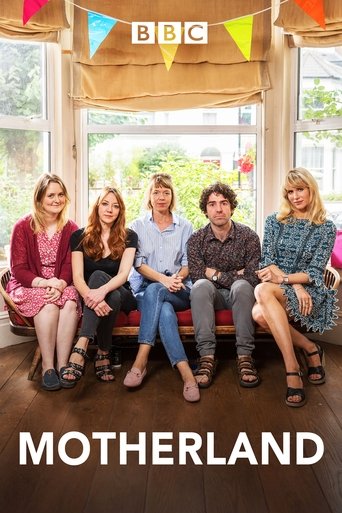
Sitcom about navigating the trials and traumas of middle-class motherhood, looking at the competitive and unromantic side of parenting.
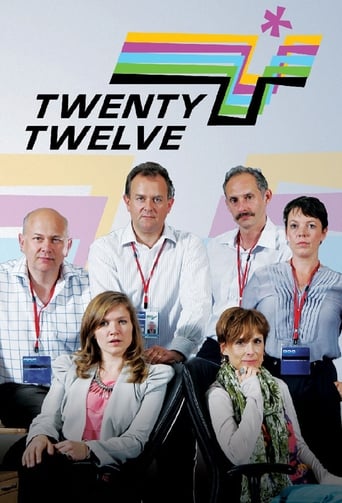
A mock-documentary following the challenges - both personal and professional - faced by the team responsible for delivering the biggest show on Earth: the 2012 Olympics. From getting a busload of non-English speaking Brazilians from A to B, who to appoint to run the Cultural Olympiad and what to do when the much-vaunted wind turbines won't turn because there's no wind, it's all in a day's work for the men and women whose job it is to stage the greatest sporting event in the world.
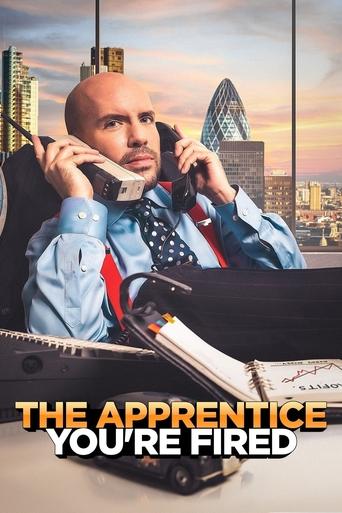
The Apprentice: You're Fired!, sometimes named You're Fired!, The Apprentice: You're Hired! or You're Hired!, is a British television show made by the BBC and filmed at Riverside Studios as a spin-off from the reality TV hit The Apprentice. It was hosted by Adrian Chiles from 2006 to 2009, and Dara Ó Briain took over as host in 2010 after Chiles' move to ITV. The programme airs in a 30 minute slot after each episode of The Apprentice finishes. It was originally shown on BBC Three, but moved to BBC Two in 2007. Its format is similar to that of Big Brother's Little Brother and Strictly Come Dancing: It Takes Two. The final episode of each series is renamed "The Apprentice: You're Hired!" and involves interviews with the winner, the runner-up and Lord Sugar himself, and a reunion with all of the former candidates.
Ruby was a late-night talk show broadcast on BBC Two in the United Kingdom. The series premiered on 12 May 1997, and was hosted by writer and comedian Ruby Wax. In each episode Wax holds an unscripted roundtable discussion with up to five guests. Framed as a dinner party, guests included actors, writers, stand-up comedians, musicians, journalists and other well-known figures in the entertainment industry. A total of 48 episodes were broadcast between May 1997 and November 2000.
A look back at television appearances by legends of the silver screen, using archive footage to tell the story of their lives and careers.
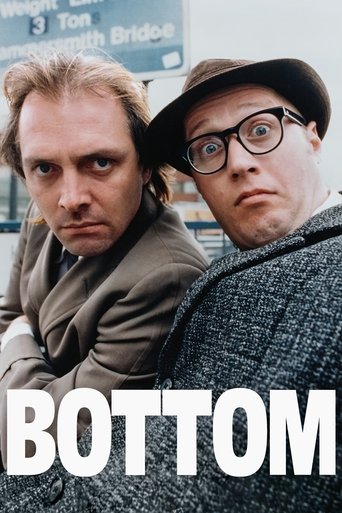
Richie Richard (socially awkward, sexually inexperienced) and Eddie Hitler (carefree alcoholic ) are two social outcasts living on the dole. Trapped together in a squalid flat in Hammersmith, London they are perpetually skint, bored and sexually frustrated. They spend their days scheming, bickering, and being nasty and sadistic to each other.

The story of a double-glazing showroom in Essex in the 80s, led by charismatic Vincent Swan, and his unscrupulous sales team, Brian Fitzpatrick and Martin Lavender.
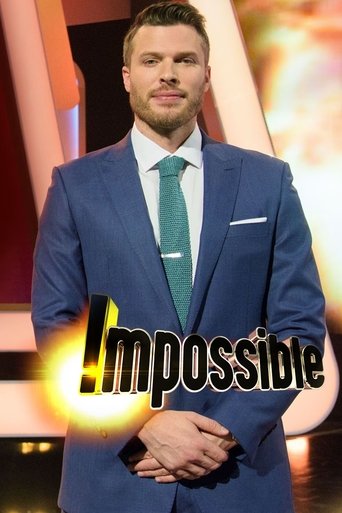
Quiz show in which the 30 contestants competing across the series must avoid giving impossible answers to give themselves a chance of winning £10,000.

Mike and Luce aim to turn their website SeeThru into a fully-fledged internet start-up.
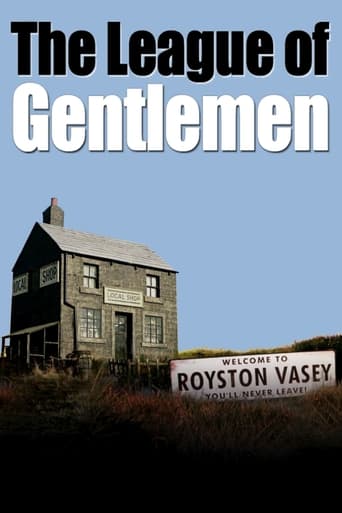
The League of Gentlemen is a British sitcom broadcast on BBC Two over three series from 1999 to 2002. In the fictional Northern England town of Royston Vasey—based on Bacup, Lancashire—the lives are explored of dozens of bizarre citizens, much of whom are played by three of the show's four writers—Mark Gatiss, Steve Pemberton, and Reece Shearsmith—who, along with Jeremy Dyson, formed the titular comedy troupe in 1995. The programme was followed by a film in 2005, and a three-part revival miniseries in December 2017 to celebrate the group's 20th anniversary.
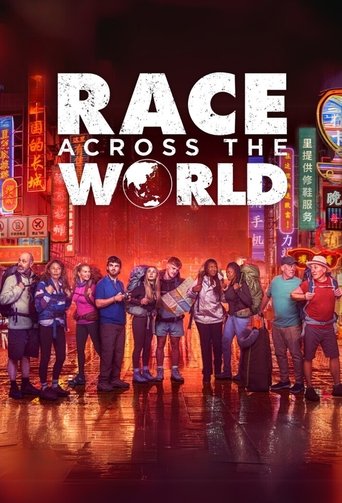
In a frenetic race across the world, travellers can choose any route they like - but no flights or phones are allowed. On the trip of a lifetime, which pair will finish first?
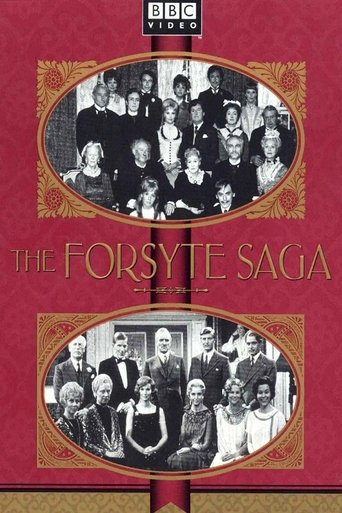
The Forsyte Saga is a 1967 BBC television adaptation of John Galsworthy's series of The Forsyte Saga novels, and its sequel trilogy A Modern Comedy. The series follows the fortunes of the upper middle class Forsyte family, and stars Eric Porter as Soames, Kenneth More as Young Jolyon and Nyree Dawn Porter as Irene. It was adapted for television and produced by Donald Wilson and was originally shown in twenty-six episodes on Saturday evenings between 7 January and 1 July 1967 on BBC2, at a time when only a small proportion of the population had television sets able to receive this channel. It was therefore the repeat on Sunday evenings on BBC1 starting on 8 September 1968 that secured the programme's success with 18 million tuning in for the final episode in 1969. It was shown in the United States on public television and broadcast all over the world, and became the first BBC television series to be sold to the Soviet Union.
