
The Road to Kurapaty 1990
A group of archaeologists, led by future politician Zianon Pazniak, discover a mass grave in a forest near Minsk.
A group of archaeologists, led by future politician Zianon Pazniak, discover a mass grave in a forest near Minsk.

Andrei is a man who has lost everything. Volha, his wife, has lost everything too. They lost it all when they emigrated to a foreign country. They can’t manage to build a new life. They live in their memories.
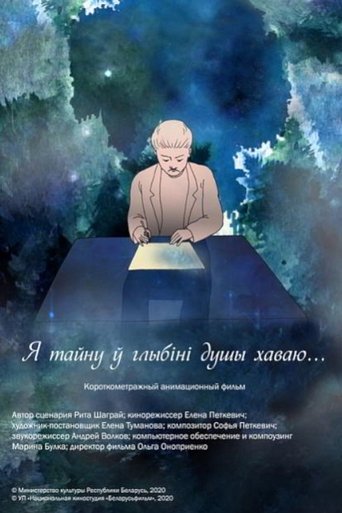

The complex life of simple figures.

One of the five-part documentary series by Belarusian writer and director Viktor Dashuk, which recounts the horrors experienced by the Belarusian people during World War II, through firsthand accounts of survivors and newsreel footage.
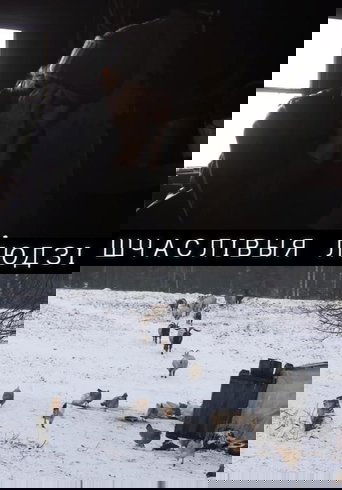
Godforsaken places where people live detached from society are still present in the world. But Belarus, a country integrated into civilisation processes, can hardly boast of their existence. The authors tell the stories of two families residing in Rasony district, in a forest close to the border with Russia. Having gone bush they do without electricity, communication and other habiliments of civilisation. Being eager to start a new life they came back to the native country from big cities – Moscow, Saint Petersburg... But their dreams and expectations confronted Belarus's reality...
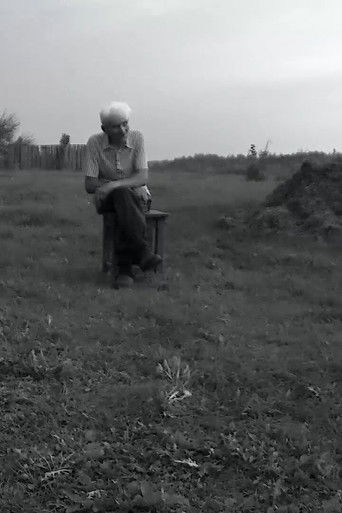
Documentary short by Volha Dashuk.
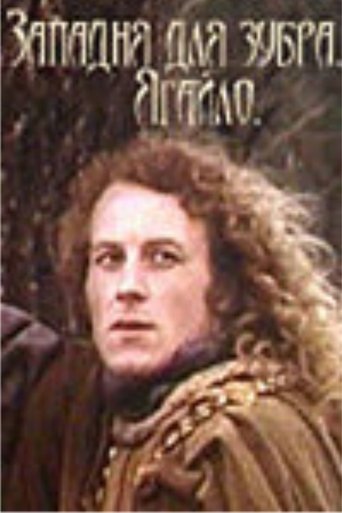
Grand Duke Algerd sees his beloved son Jogaila as his successor. His brother, Samogitian Prince Kęstutis, also has six sons, including his beloved Vytautas, but he swears an oath to his brother that Jogaila will become the Grand Duke. And so it happened. Jogaila inherited a powerful state that stretched from the Baltic to the Black Sea. However, his own eleven brothers and six sons of Kęstutis do not promise a peaceful life. Jogaila decides to strike first.
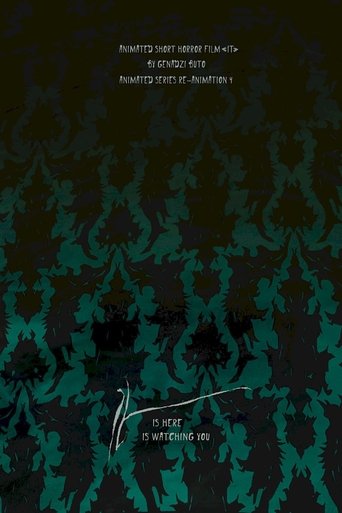
A creature takes up residence in a young man's room and feeds him but, at the same time, kills him. His life is falling apart, and he has no choice but to fight to the death against this dependency.
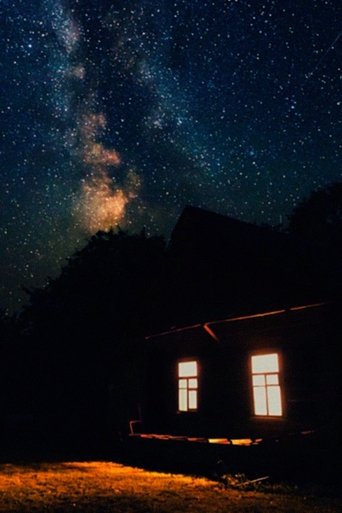
Wadzim and Staś own a agritourism destination. They believe that the 2020 season will be successful because a very rare astronomical phenomenon, the so-called Planet Parade that occurs every 100 years. However, the unexpected events that began after the Presidential elections do not go according to plan.
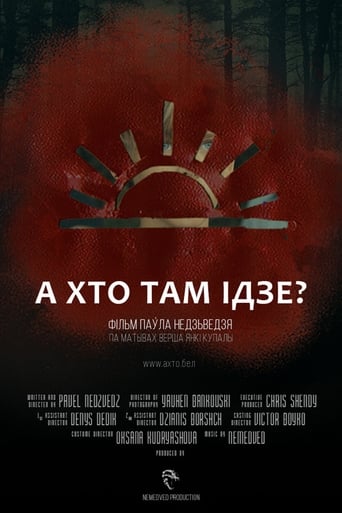
Belarusian poet Yanka Kupala wrote his verse "And, say, who goes there?" more than 100 years ago. And now, when the call for change is heard, only the bravest dare to come out of the forest and at least look: "Who goes there?"
A bitter twist of fate: during the drawing of demarcation lines between the Soviet Republics in 1939 nobody dared remove Stalin’s pipe from the map, consequently the borders were drawn around it. It was thus that the Belarusian village of Narvilishky ended up being allocated to Lithuania. At the time nobody foresaw the implications of this decision.
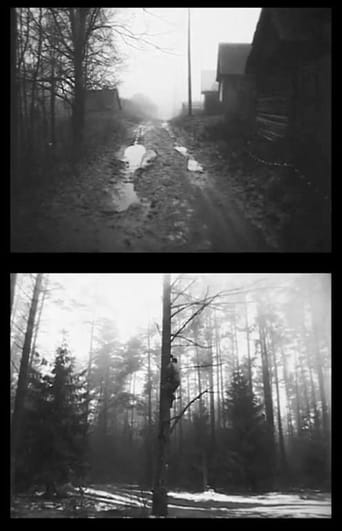
Except for one family with a small child, only old people live in this half-empty village. A mobile shop comes there once a week, only immobility of time is left, covering however correlation of complex inner and outer actions.
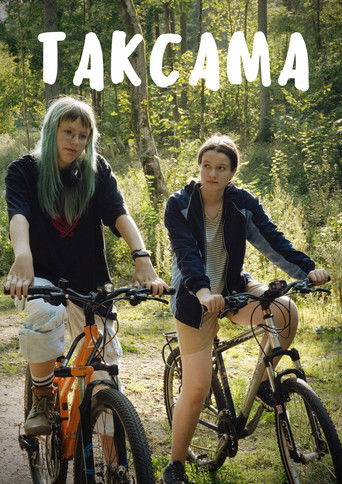
Having gotten lost in the woods, a teenage girl slips into the past and spends a summer day with her mother at fifteen. In shared conversations and small moments, she gets to know her mother from new sides and learns that growing up feels the same in every time.
Namskyi Velikden is the widespread Day of Dead in the Polesie. According to the old legends it is believed that souls of the dead ancestors come back to earth.

A choice... Does it even exist? And if it does, what should one do with it?
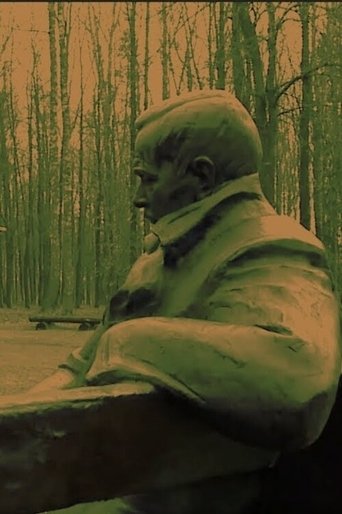
Yanka Kupala, Belarusian poet and writer, is one of the spiritual symbols of Belarus. He did everything to make Belarusians feel like a full-fledged people. This is a figure that cannot be reduced by anything from the height of modernity. But the weight of recognition, inclusion in the ranks of the classics leads to petrification of the face. The authors of the film remove this petrification - verses sound throughout the film. Patriotic songs that sing the praises of Belarus and our people, awaken them from historical apathy and eternal longing. Mystics who whisper about the revival of the past that sleeps in the mound. And intimate and lyrical, filled with intimate beauty, eternal sensuality and lust for life.
Every year during the summer solstice the Belarusians celebrate “Kupalle”. Kupalle is the triumph of love, abundance of the nature power, unity with the native land. Kupalle always gave the Belarusians the energy charge for the whole next year. Сelebrating Kupalle people used to create new couples, bear healthy children. The contemporary political situation has broken the connection of the Belarusians with their native culture, has replaced the true nation’s spiritual values with the tendency of low-grade mass entertainments. But while the people’s initiative exists, while there are charismatic individuals, who still have the soul power to care about the tradition, so the Belarusian nation lives – side by side with the imposed absurd.
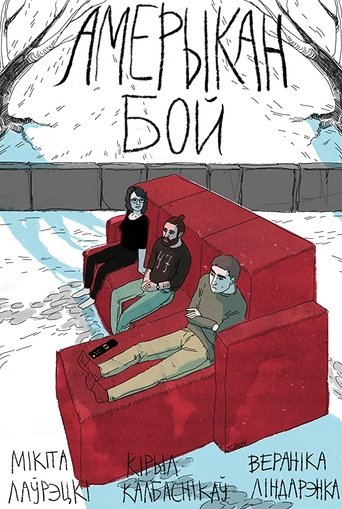
Maxim, yearning for the departing image of old Minsk, meets his friend Yanka, whom he had not seen for a year while he was studying in America ...
Folklore is a metaphorical image of a person's existence. Erotic part of life is no exception. Our ancestors had traditions with erotic subtext for every holiday, closely tied to the notion of fertility.

