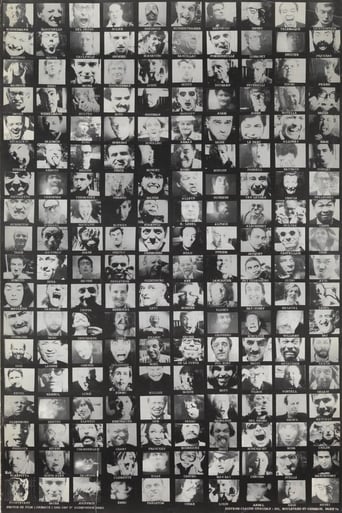
Grimace 1967
Produced over several years between 1962 and 1967, Grimaces shows the faces of over a hundred artists, gallery owners and critics grimacing to the camera.
Produced over several years between 1962 and 1967, Grimaces shows the faces of over a hundred artists, gallery owners and critics grimacing to the camera.
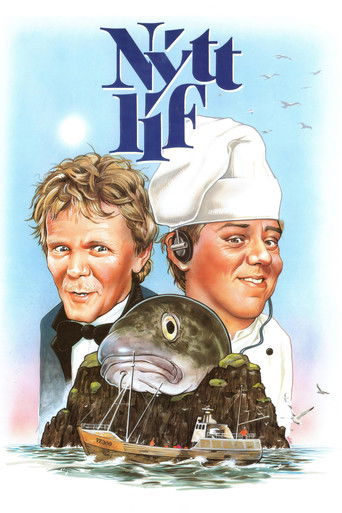
The film is the first of three about the misadventures of two friends, Þór and Danni. Two friends working at a restaurant get fired from their jobs and after seeing an advertisement for the fishing industry of the Westman Islands, decide to go there and make some money. The islands become a perfect setting for many funny and strange situations, especially after word gets around that the two are spies from the Ministry of Fisheries.
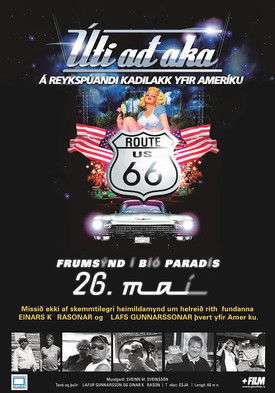
Authors Ólafur Gunnarsson and Einar Kárason drove through America in a 1960 model Cadillac. Alongside them were Jóhann Páll Valdimarsson, publisher and the Cadillac expert Steini í Svissinum. The trip gave them the inspiration to write a book about the trip which came out in the fall of 2006. Alot happened on this trip and the publisher Jóhann Páll wanted to write a book with the title: How to survive a mad trip with four insane guys. The book could be used for teaching in psychiatric studies.
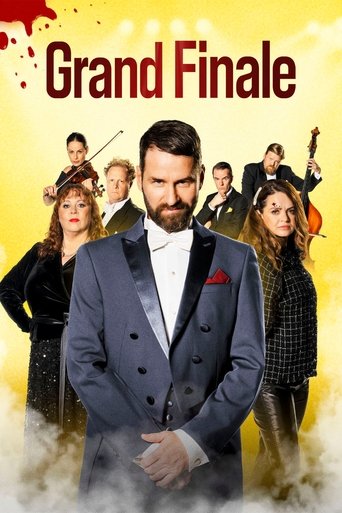
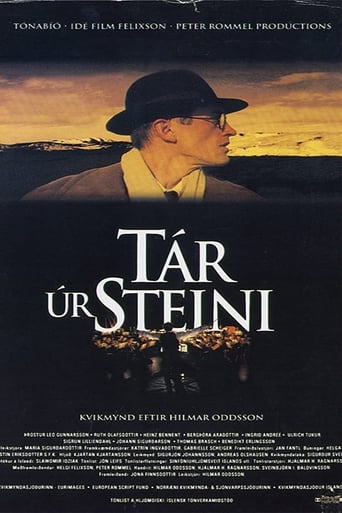
A chamber orchestra is working out of a rundown theatre in Reykjavik. Financial hardship places a great strain on the band and the lead violinist, Sigrun. The annual grant from the city is coming to an end so the band hires a world renowned cellist in order to save the band. The media goes wild and money starts to flow to the band again. Too bad the cellist is not a very nice person – he is quite the assgrabber and a two faced cheater. Too late to fire the star and the grand concert that will save the band is about to begin when the cellist chokes to death – 15 minutes before the concert. The band decides to risk it all and play the concert with a dead solo artist – not really thinking about how to end such a macabre show.

Through 56 independent scenes, Echo draws a portrait, both biting and tender, of modern day Iceland during the often turbulent but also exciting time of the Christmas holidays.
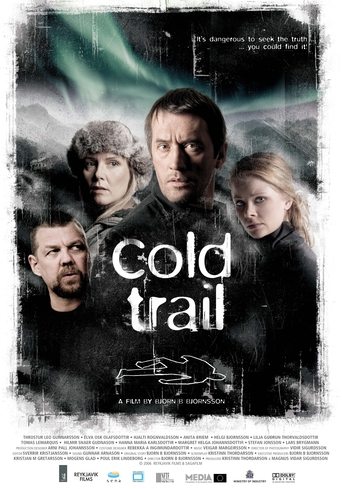
After the death of his father, a private investigator in Iceland leads his own search to discover what really happened.
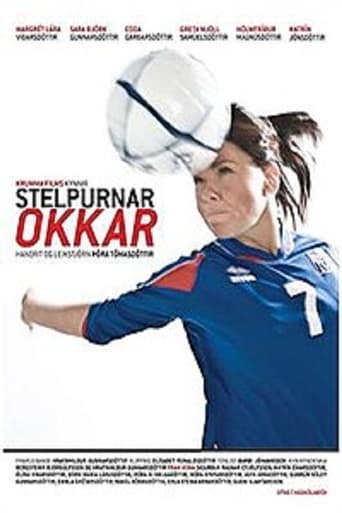
The Icelandic national women's football team has the chance to qualify for the European Championship Finals for the first time in history. To make the dream come true the team has to win all their upcoming matches - against much bigger nations.


A promising high school kid is unjustly sent to the notorious juvenile prison of Iceland where he faces increasingly severe abuse from the head guard who is determined to brake his spirit.
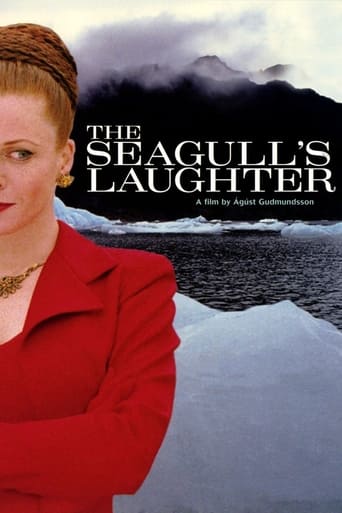
Post-war provincial Iceland: around 1950, Freyja, who'd been a plump teen, returns from America, a widow with a 20-inch waist, seven suitcases of dresses, and a list of who ever wronged or slighted her. She moves in with an aunt and socialist uncle: finding a new husband is high on her agenda, and she's mistrusted by Agga, a pre-teen who's our eyes and ears. The social order and Freyja are more complicated than they seem at first, and so may be her prospects. Class divisions, families ties, pride, the onset of puberty, and the power of Eros sliver the ice.

Mamma Gógó is about Gógó, an elderly lady, who is diagnosed with Alzheimer disease and her son’s and family’s reaction to her illness. While Gógó is continuously getting herself into trouble, of the kind only a person with Alzheimer can, the son, the director, is struggling with financial troubles after his film Children of Nature has flopped in the cinema. As Gógó‘s disease progresses her family decides that it is best for her to move to a nursing home. Gógó and her deceased husband, who appears on the scene, are not happy with that decision. The director is dependent on others when it comes to his finances and when Gógó settles into the nursing home he decides to sell his mother’s apartment and valuable artwork but the profits of the sale help him to get by.
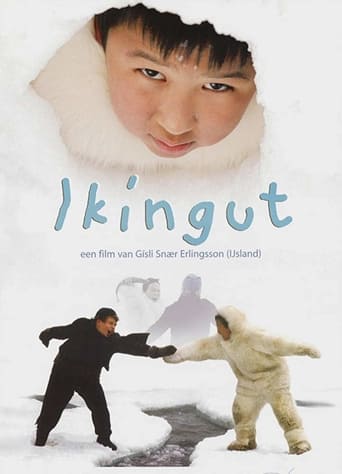
In the middle ages a small Greenlandic boy comes drifting with an Iceberg to a remote and superstitious settlement in Iceland and is believed to be an evil spirit by his looks. He saves a young boy from an avalanche and they become friends. The young Icelandic boy has to fight for his friends existence against the ignorant villagers, who want him imprisoned or even killed
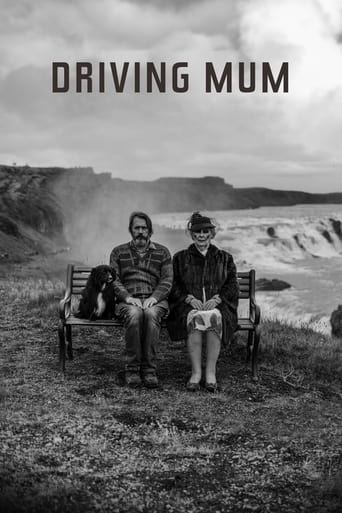
The death of Jon's mother forces him to take on a journey with her corpse in the backseat to fulfill her last wish. Bresnef the dog comes along and this trip will be the gamechanger Jon never dreamt of.

An Icelandic documentary chronicling the life and career of the musician GDRN (Guðrún Ýr Eyfjörð). The film utilizes an interview-style narrative to convey the story of the famed musician, as well as treating the audience to scenes of her recent concert which celebrated her self named and award-winning album "GDRN".
In the summer of 1984, Iceland's king of country music, Hallbjörn Hjartarson, arranged the first and only Icelandic cowboy-festival. This celebration of western culture took place in Skagaströnd, a village of 700 inhabitants in the north of Iceland, and was attended by Iceland's leading country singers. This documentary describes, in an objective fashion, the general atmosphere of the festival and gives a portrait of the star of the show, Hallbjörn Hjartarson and his views on life and stardom.
A band's and their crew's miscommunication leading them to being on the opposite sides of the country leads to comic consequences.
The inhabitants of a small island is attacked by weird outsiders.
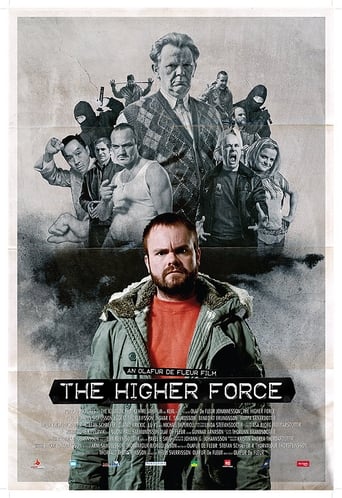
Ashamed for being a debt-collecting thug, David believes that he is an ugly duckling waiting to become a swan. Through an unlikely mentor he finds out that life has indeed something very special in store for him.
Erik Leiser takes us on an unforgettable journey across the Icelandic landscape as he mixes live action and pixilation to produce an enchanting, timeless short film.
About Icelandic composer Jon Leifs (1899-1968) who spent much of his life in Germany before WWII. The film begins in the 1930s after he has married the daughter of an industrialist, Annie, who is also a concert pianist. This era was frustrating for Leifs because his works were seldom performed. Iceland's submission for the Academy Award for Best Foreign Language Film in 1995
