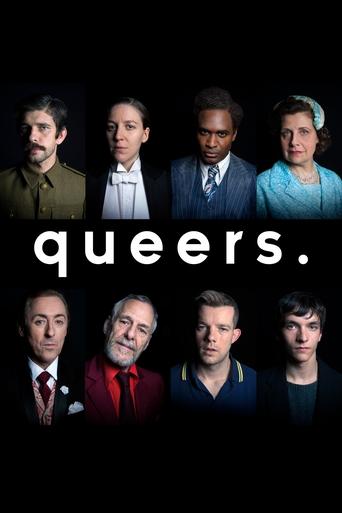
Queers. 2017
A series of eight monologues set in the same pub over many years of gay history in response to the 50th anniversary of the Sexual Offences Act.
A series of eight monologues set in the same pub over many years of gay history in response to the 50th anniversary of the Sexual Offences Act.
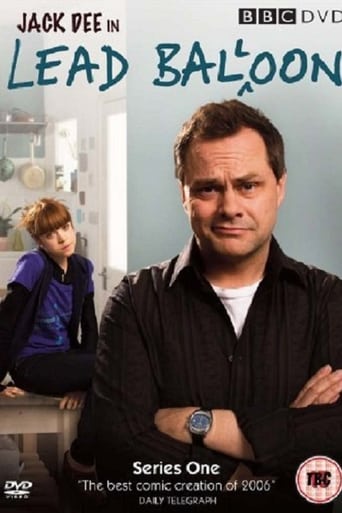
Lead Balloon is a British television series produced by Open Mike Productions for BBC Four. The series was created and is co-written by comedian Jack Dee and Pete Sinclair. It stars Dee as Rick Spleen, a cynical and misanthropic comedian whose life is plagued by petty annoyances, disappointments and embarrassments. Raquel Cassidy, Sean Power and Tony Gardner also star. The first series of six episodes was broadcast on BBC Four in 2006, with the first episode achieving the highest ratings for a comedy on the channel. Repeats of the series were run on BBC Two and BBC HD, bringing it to a larger audience. A second series of eight episodes aired on BBC Two in November 2007, and a third series began airing in November 2008. A fourth and final series commenced broadcast on 31 May 2011 on BBC Two and ended on 5 July. Comparisons were made by critics to the successful American comedy Curb Your Enthusiasm, and positive comments were made about Lead Balloon's characters, particularly Magda, the Eastern European housekeeper. The first series was released on DVD in November 2007. The show's theme tune is a cover version of "One Way Road", written by Noel Gallagher and performed by Paul Weller.
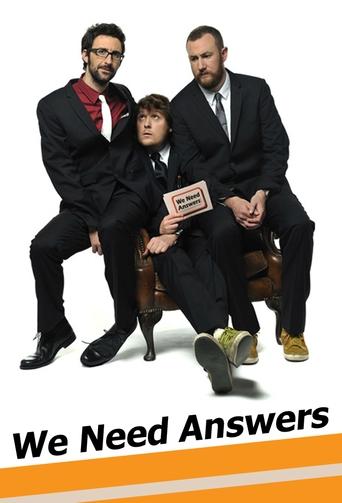
We Need Answers is a British television panel game presented by comedians Mark Watson, Tim Key and Alex Horne. The show features a pair of celebrities answering questions which have previously been texted in by the public, or the audience, to 63336, a text message service.
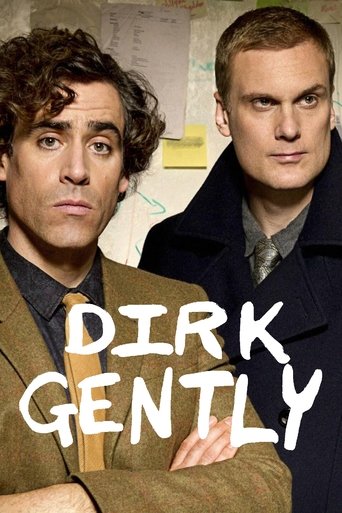
Detective Dirk Gently operates based on the fundamental interconnectedness of all things.
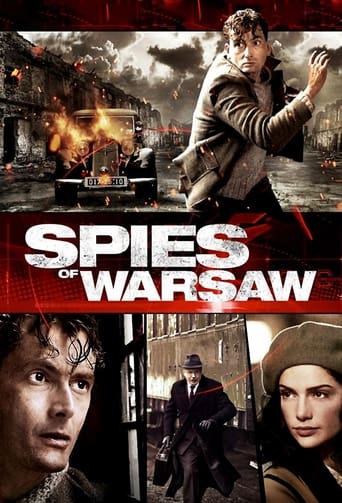
A military attaché at the French embassy is drawn into a world of abduction, betrayal and intrigue in the diplomatic salons and back alleys of Warsaw. A classic tale of spying, intrigue, and romance, based on the novels of Alan Furst and adapted by Dick Clement and Ian La Frenais.
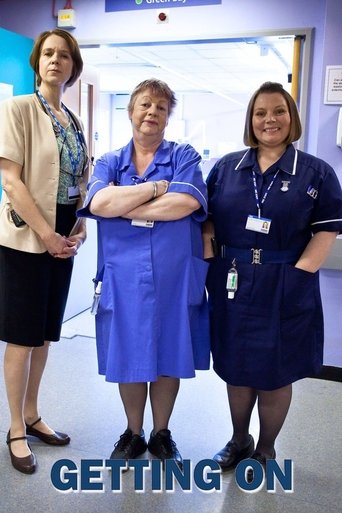
Darkly comic series about life on a hospital ward and a nursing team who have to get on with the job despite challenges thrown up by the modern NHS.
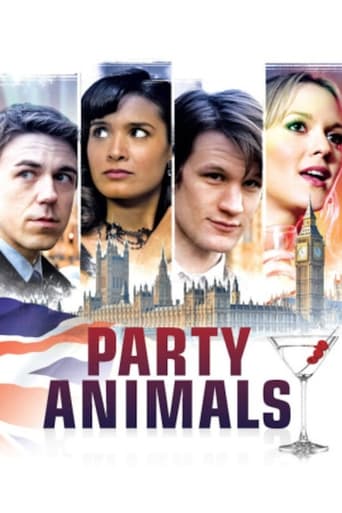
Party Animals presents Westminster from the ground up – the young researchers and advisors shouldering huge responsibility in a frantic, high-stakes world. It's no wonder their personal lives are so messy. Sons of an ex-Labour MP, Scott and Danny Foster have politics in their blood.
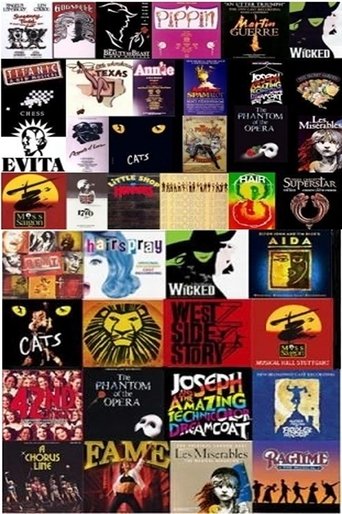
A three-part series exploring how the British musical became a driving force behind musical theatre around the world — a tale of shows, daring, rivalries, talent and fortunes are set in just a single square mile.
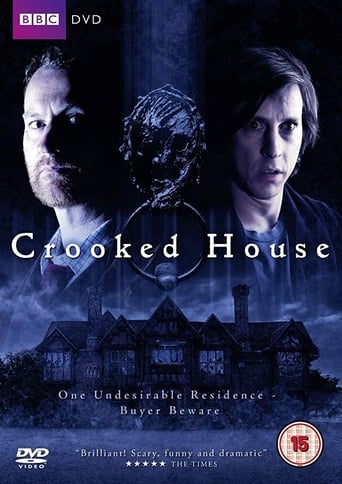
Crooked House is a British supernatural drama miniseries broadcast on BBC Four from 22-24 December 2008. Created and written by Mark Gatiss, and produced by Tiger Aspect Productions, the serial stars Lee Ingleby and Gatiss. A ghost story about a cursed house. The cursed house — Geap Manor — weaves together three ghost stories set during Georgian times, the 1920s, and present day.
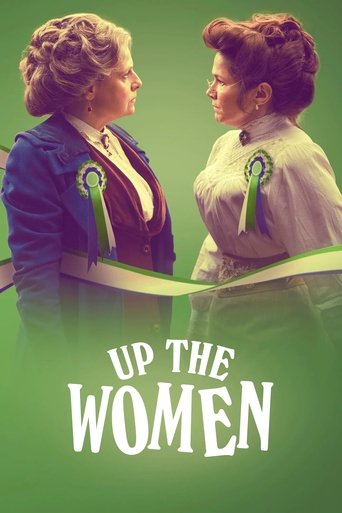
It's 1910 and we're in Banbury church hall at the Banbury Intricate Craft Circle. Margaret has been to London and discovered the Women's Suffrage movement so she decides they need to set up their own movement and The Banbury Intricate Craft Circle becomes the hilariously ineffectual Banbury Intricate Craft Circle politely request women's Suffrage. Gwen is the only member who actually enjoys the craft element of the meetings, while Helen thinks that craft is a little unnecessary, but she's not interested in women's rights: "What on earth do women need a vote for? My husband votes for who I tell him to vote for. What could be a better system than that?"

After Dark was a British late night live discussion programme broadcast on Channel 4 television between 1987 and 1997, and on the BBC in 2003. Inspired by an Austrian programme called Club 2, Roly Keating of the BBC described it as "one of the great television talk formats of all time". In 2010 the television trade magazine Broadcast wrote "After Dark defined the first 10 years of Channel 4, just as Big Brother did for the second".
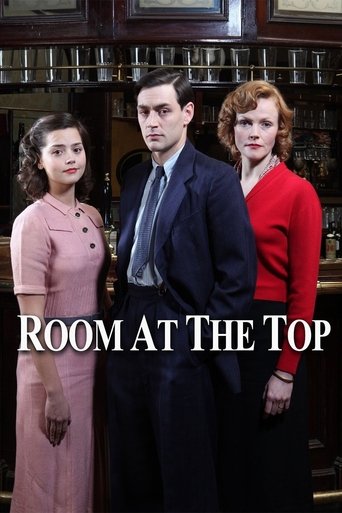
Joe leaves working-class, industrial Dufton behind him and takes a job as senior audit clerk at the town hall in affluent Warley. He takes lodgings at the poshest part of the town and starts to make his mark on local society.
No easy answers? Decision-makers from Kissinger to Rice revisit how the US responded to conflicts from Rwanda to Iraq. Faced with human suffering - who has responsibility to act?
Charlie Brooker's acerbic take on recent TV contains reviews of current shows, as well as stories and commentary on how television is produced.
An art magazine show guest-edited by a different personality each week.
Ed Asner tells the story of RKO Pictures from the 1920s to the 1960s.
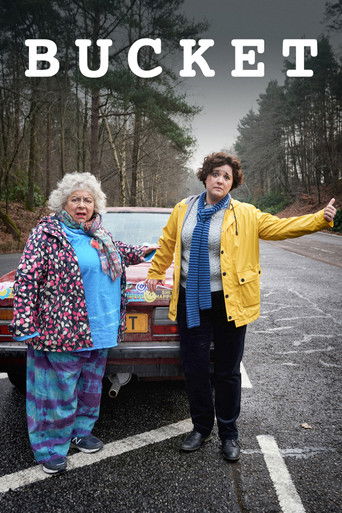
Reserved history teacher Fran has long had a strained relationship with her eccentric, free-spirit mother Mim. When Mim announces that she is dying Fran feels obliged to accompany her on a road trip ticking off items on her bucket list.
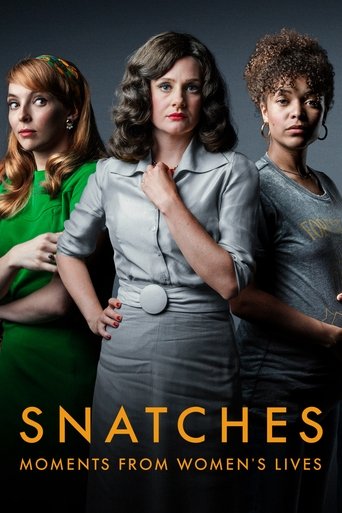
Monologues inspired by women who have spoken out, challenged the status quo or made a stand – often at great personal cost.

Powerful adaptation of DH Lawrence's novels The Rainbow and Women in Love, focusing on the lives of two sisters as they struggle with love, passion and commitment in the build-up to WWI.
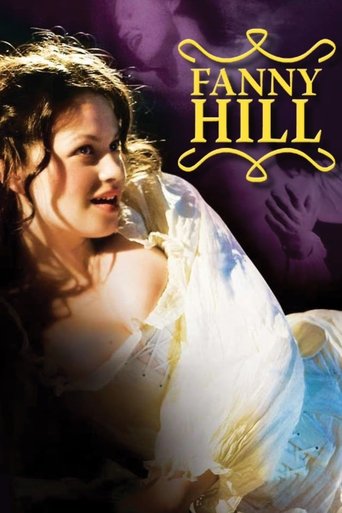
Two-part TV drama based on the novel by John Cleland. Set in the 18th century, the story of a young country girl who through financial neccessity falls into prostitution.
