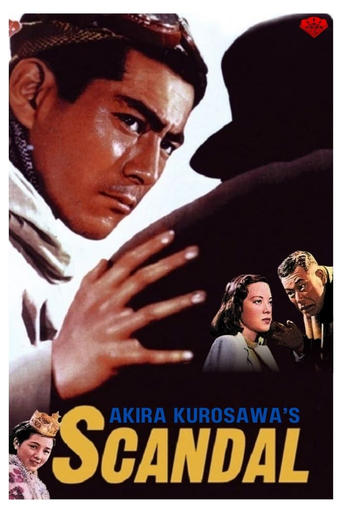
Scandal 1950
A celebrity photograph sparks a court case as a tabloid magazine spins a scandalous yarn over a painter and a famous singer.
A celebrity photograph sparks a court case as a tabloid magazine spins a scandalous yarn over a painter and a famous singer.
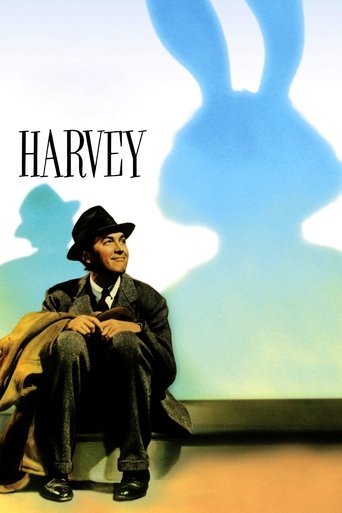
The story of Elwood P. Dowd who makes friends with a spirit taking the form of a human-sized rabbit named Harvey that only he sees (and a few privileged others on occasion also.) After his sister tries to commit him to a mental institution, a comedy of errors ensues. Elwood and Harvey become the catalysts for a family mending its wounds and for romance blossoming in unexpected places.
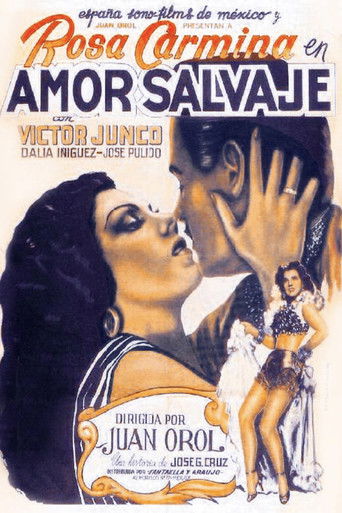
Alma leaves Panama to go live with her aunt Antonia and with Manuel, her husband. There she meets Julio, who tries to woo her.
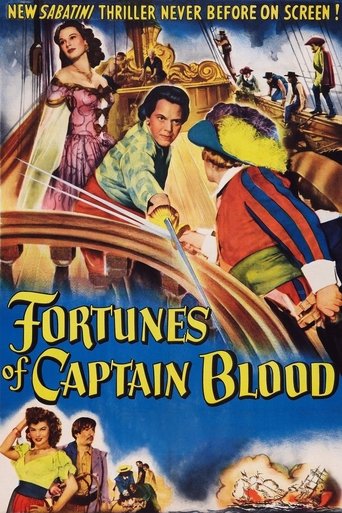
When he unwittingly sends some of his men into a trap, pirate Captain Peter Blood decides to rescue them. They've been taken prisoner by the Spanish Marquis de Riconete who is now using them as slave labor harvesting pearls from the sea.

A young woman takes up her new job as the servant of a noblewoman and soon discovers that underneath her facade of luxury lies great unhappiness.
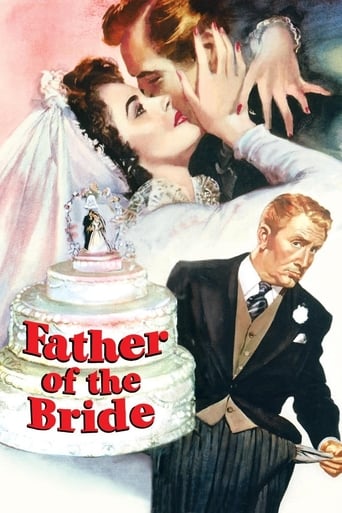
Proud father Stanley Banks remembers the day his daughter, Kay, got married. Starting when she announces her engagement through to the wedding itself, we learn of all the surprises and disasters along the way.
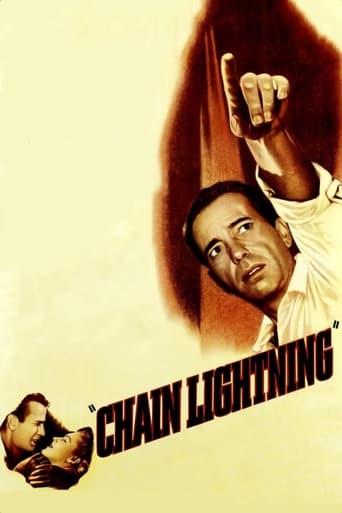
Former World War II flying ace Matt Brennan takes a position as a test pilot for a commercial aircraft corporation and bumps into his old girlfriend, Jo Holloway, who now works as a receptionist for the company.
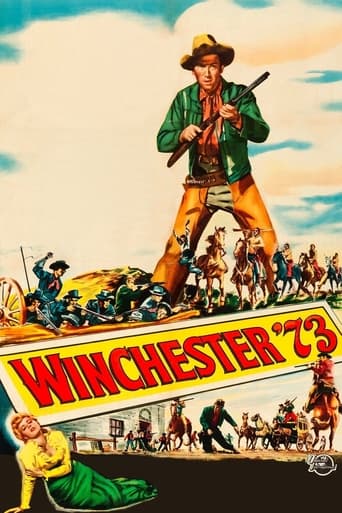
Lin McAdam rides into town on the trail of Dutch Henry Brown, only to find himself in a shooting competition against him. McAdam wins the prize, a one-in-a-thousand Winchester rifle, but Dutch steals it and leaves town. McAdam follows, intent on settling his old quarrel, while the rifle keeps changing hands and touching a number of lives.
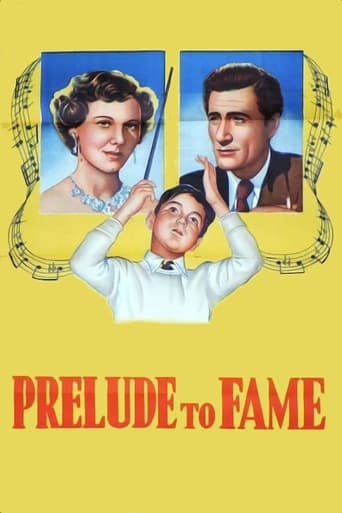
While holidaying in Italy, Nick Morell, son of John Morell, a famous English philosopher and amateur musician, becomes friendly with young Guido, and Morell discovers the boy has an extraordinary instinct for orchestration and a phenomenal music memory. A neighboring couple, Signor and Signora Boudini become aware of the boy's talents, and she appeals to his parents to let her educate him musically. Torn by their love for their son and, they feel,the duty to let the world hear his talent, they consent.
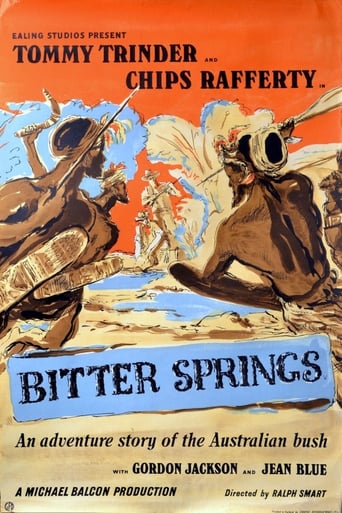
A family buy land set around a water hole in a remote location, that is occupied by native Australians. The two groups clash.
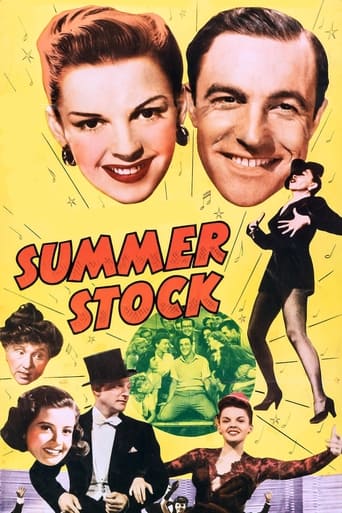
To Jane Falbury's New England farm comes a troup of actors to put up a show, invited by Jane's sister. At first reluctant she has them do farm chores in exchange for food. Her reluctance becomes attraction when she falls in love with the director, Joe, who happens to be her sister's fiance.
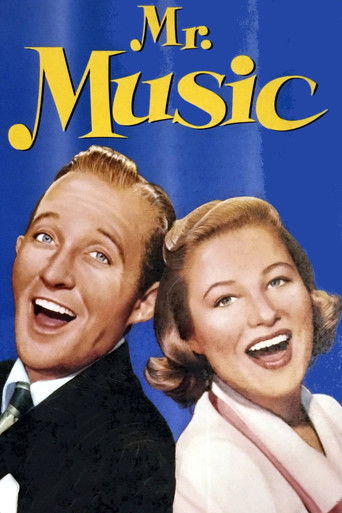
A golf-crazy songwriter tries to avoid the long, solitary hours of concentration needed to produce a hit musical. His producer and his secretary conspire to get him back on track.
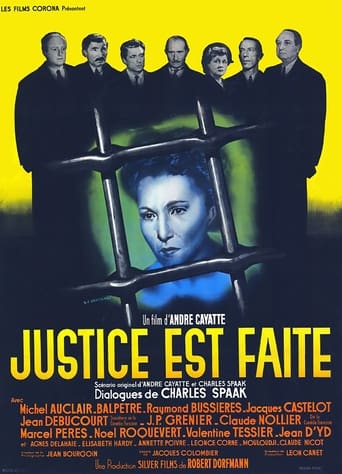
Elsa Lundenstein is accused of having murdered her lover. The jury discusses the case vividly. All members are somehow prejudiced because of personal life experience and subsequently each member reads something different into the presented facts.
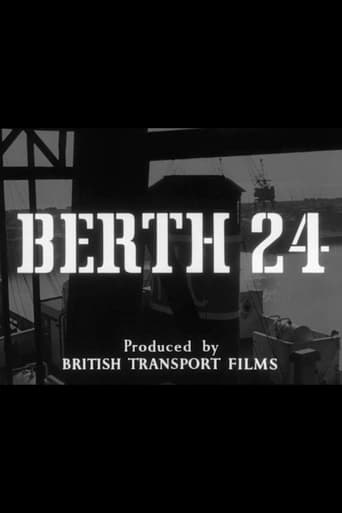
In the Hull Docks, the steamer S.S. Bravo arrives from Gothenburg with cargo.
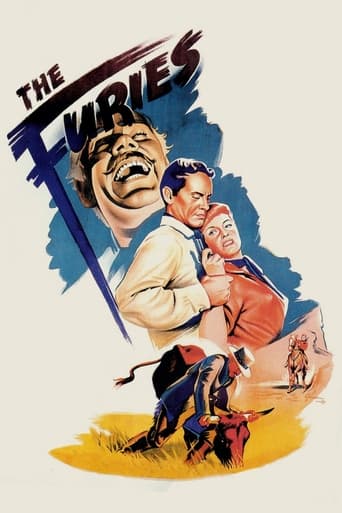
A New Mexico cattle man and his strong-willed daughter clash over land and love.
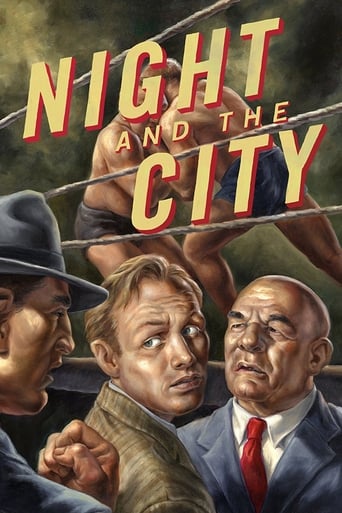
Londoner Harry Fabian is a second-rate con man looking for an angle. After years of putting up with Harry's schemes, his girlfriend, Mary, becomes fed up when he taps her for yet another loan.
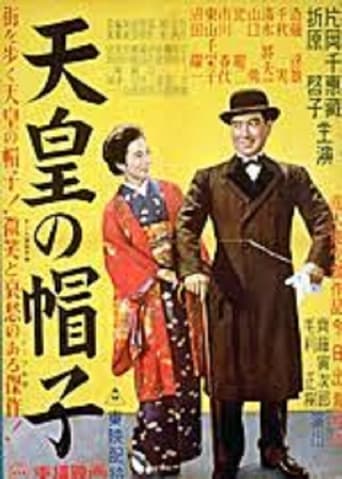
A man working in a museum steals the Emperor's hat on display.
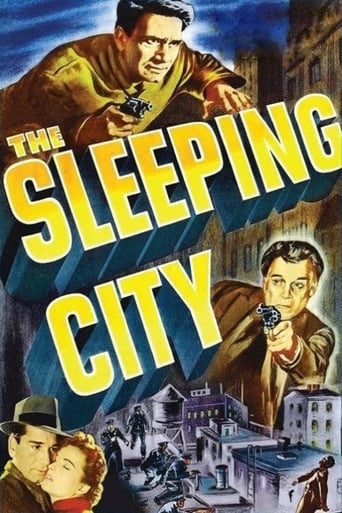
A young doctor taking a break from work is shot in the head, and the police can't find a clue even as to a possible motive. Inspector Al Gordon (John Alexander) decides that he has to put some men on duty at the hospital, and one of them is Fred Rowan (Richard Conte), a detective with experience as an army medic, masquerading as an intern. What Rowan finds is a high-pressure world in which interns are hopelessly squeezed for time, sleep, energy, and -- most of all -- money, and walk a fine line on the edge of personal and professional disaster.
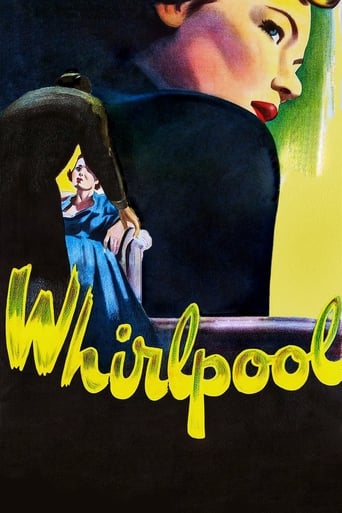
The wife of a psychoanalyst falls prey to a devious quack hypnotist when he discovers she is an habitual shoplifter. Then one of his previous patients now being treated by the real doctor is found murdered, with her still at the scene, and suspicion points only one way.
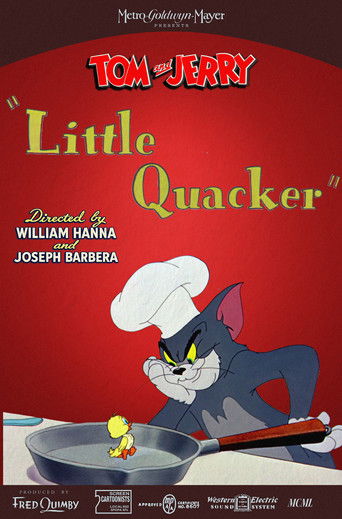
Tom steals an egg from a mother duck's nest, but soon the resultant hatchling runs away from the cat and into a mouse hole, where it finds an able protector in Jerry.

Rocky King, Inside Detective is an American television series broadcast on the DuMont Television Network on Sundays at 9pm ET from January 15, 1950 to December 26, 1954. This series was one of DuMont's most popular programs, and was a live crime series set in New York City. The show not only kept Roscoe Karns from retirement, but cast him opposite his son, Todd Karns. The DuMont offices and corridors were used as sets. At the end of each program, King would exchange telephone small talk with his unseen wife Mabel and, after hanging up, say to no one in particular, "Great girl, that Mabel".
The Beulah Show is an American situation-comedy series that ran on CBS Radio from 1945 to 1954, and on ABC Television from 1950 to 1952. The show is notable for being the first sitcom to star an African American actress.
Starlight Theatre is an American anthology series that aired on CBS television from April 2, 1950 to September 20, 1951.
Cameo Theatre was an American anthology series that aired on NBC during the Golden Age of Television, from 1950 to 1955.
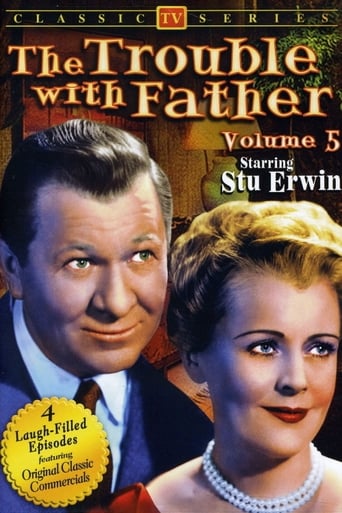
The Stu Erwin Show is an American sitcom which aired on ABC for five seasons from 1950 to 1955.
Truth or Consequences is an American television show originally hosted on NBC radio by Ralph Edwards and later on television by Edwards, Jack Bailey, Bob Barker, Bob Hilton and Larry Anderson. The television show ran on CBS, NBC and also in syndication. The premise of the show was to mix the original quiz element of game shows with wacky stunts. The daily syndicated show was produced by Ralph Edwards Productions, in associated with and distributed by Metromedia Producers Corporation and Lorimar-Telepictures.
An American television anthology drama series which offered adaptations of Pulitzer Prize winning plays, stories and novels.
Mama Rosa is an American sitcom television series that aired from March 2 until May 18, 1950.
A 1950 anthology about people who find themselves `trapped' in various situations.
An anthology series about people who are suddenly confronted with uncertain situations.
Musical Comedy Time is a series of live hour-long adaptations of Broadway musical comedies and standard operettas that aired on NBC from October 2, 1950 to March 19, 1951.
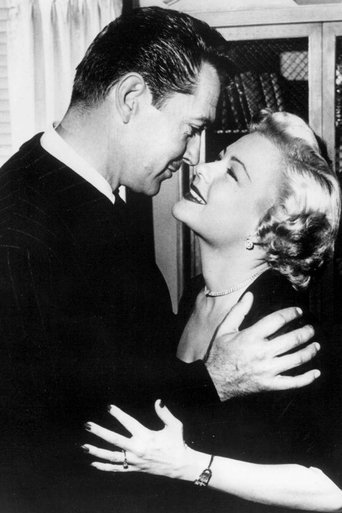
The Bigelow Theatre is an American anthology series originally broadcast on CBS Television and on the DuMont Television Network. This series is not to be confused with the similarly named The Bigelow Show, a musical variety program which aired on NBC and CBS in the late 1940s.
Prudential Family Playhouse is an American anthology drama series that aired on live CBS from October 1950 to March 1951.
Four Star Revue was an American variety show that aired on NBC from October 4, 1950 to December 26, 1953.
Live anthology series featuring a wide format of stories (western, musical comedy, dramatic, et cetera).
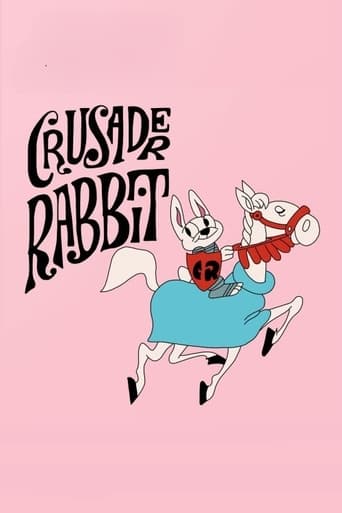
Crusader Rabbit is the first animated series produced specifically for television. The concept was test marketed in 1948, while the initial episode - Crusader vs. the State of Texas - aired on KNBH in Los Angeles, California on August 1, 1950.
The Adventures of Paddy the Pelican is an animated miniseries that first aired on ABC (US) in 1950. The show is notorious for a variety of factors including its unprofessional voice acting, simplistic animation, and inconsistent appearances of the title character.
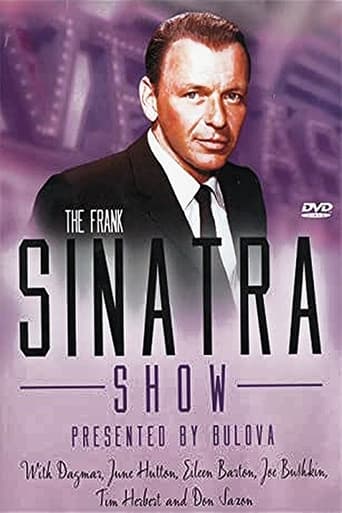
The Frank Sinatra Show was an American musical variety series hosted by Frank Sinatra from 1950 to 1952. The series aired on CBS. As with many variety shows of the time, the show was broadcast live and was recorded via kinescope. Some episodes were 30 minutes long while others were 60 minutes.
