Love and Death

Love and Death 1971

1

Yuji, a budding writer, meets and starts falling in love with his best friend’s girlfriend, Natsuko. The attraction is mutual but due to the circumstances, they try to not act on their attraction. However, as time goes by, they realise that, perhaps, they cannot be without each other. Will the forbidden love affair move forward and can they finally be with each other?

1971

The Swift Knight

The Swift Knight 1971

5.90

In a rare reversal of typecasting, Shaw Brothers' perennial bad guy Lo Lieh breaks tradition to play the honorable and noble swordsman in The Swift Knight. It's a tale of brave knights, chivalry and fair maidens where the Swift Knight (Lo Lieh) finds himself involved in romance, court intrigue and deadly jousts while trying to protect the lives of a pair of siblings as the fate of the throne depends on them.

1971

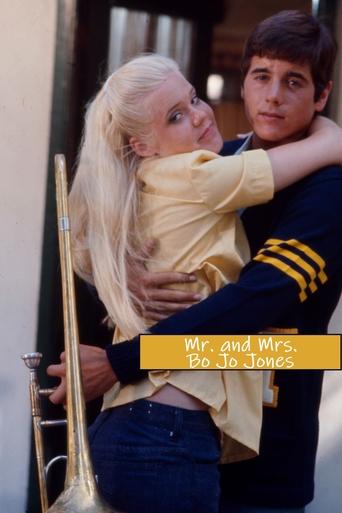
Mr. and Mrs. Bo Jo Jones

Mr. and Mrs. Bo Jo Jones 1971

6.00

Two high school seniors try to adjust to adult responsibilities when an unexpected pregnancy forces them into marriage.

1971

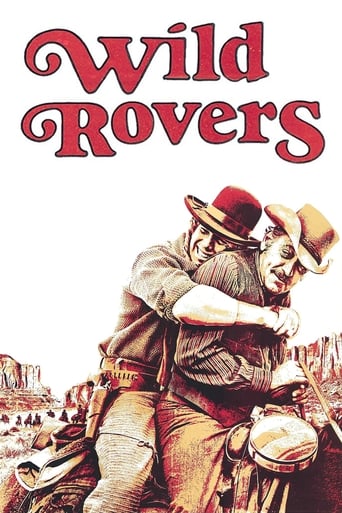
Wild Rovers

Wild Rovers 1971

6.10

Ross Bodine and Frank Post are cowhands on Walt Buckman's R-Bar-R ranch. Bodine is older and broods a bit about how he will get along when he's too old to cowboy. Post is young and rambunctious and ambitious for a better life than wrangling cows. When one of their fellow cowboys is killed in a corral accident, Post suggests a way into a better life for himself and his friend: robbing a bank. Bodine reluctantly joins in the plan and the two contrive to rob the local bank. They make good their escape initially, but Walt Buckman and his two sons, John and Paul, are incensed at this betrayal by their own trusted employees. John and Paul set out to bring Bodine and Post to justice.

1971

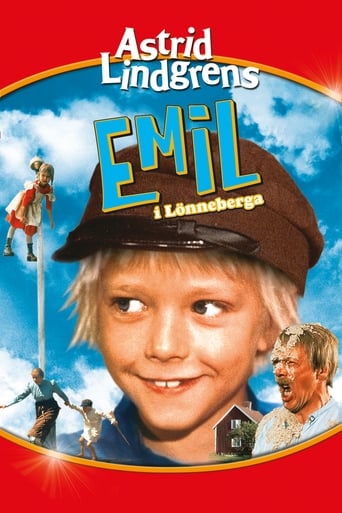
Emil i Lönneberga

Emil i Lönneberga 1971

6.60

Emil Svensson lives with his mother and father, little sister Ida, farmhand Alfred, and maid Lina on a picturesque farm in Småland. He is an unusually lively little boy, who just can't resist trying out every whim that enters into his white-haired head. Always with the best intentions in mind, because he is a good-hearted child, but often with catastrophic results, especially for his short-tempered father. As a result, Emil spends a lot of quality time in the wood shed carving wood figurines and waiting for Anton's temper to cool down. And the father's patience is certainly tried, as Emil gets his head stuck in the family's only soup bowl, hoists little Ida up the flag pole, and arranges a lavish Christmas party for the poor.

1971

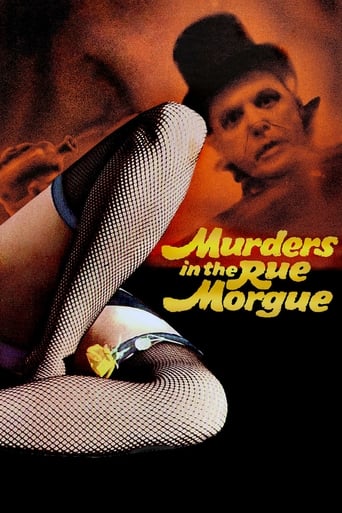
Murders in the Rue Morgue

Murders in the Rue Morgue 1971

5.10

In Paris, in the beginning of the Twentieth Century, Cesar Charron owns a theater at the Rue Morgue where he performs the play "Murders in the Rue Morgue" with his wife Madeleine Charron, who has dreadful nightmares. When there are several murders by acid of people connected to Cesar, the prime suspect of Inspector Vidocq would be Cesar's former partner Rene Marot. But Marot murdered Madeleine's mother many years ago and committed suicide immediately after.

1971

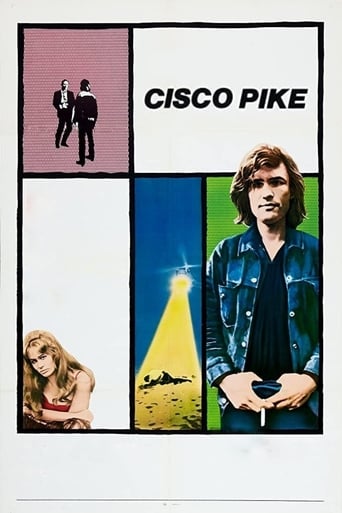
Cisco Pike

Cisco Pike 1971

5.60

A down on his luck former drug dealer is forced by a corrupt LAPD policeman to sell 100 kilos of confiscated marijuana in one weekend.

1971

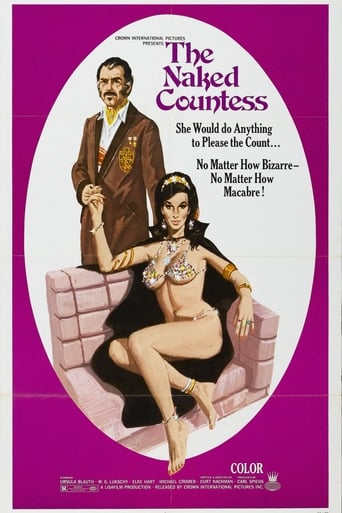
The Naked Countess

The Naked Countess 1971

2.00

The impotent count Anatol loves to photograph his wife Verena, while she is having fun with other men. Everything changes when Verena falls in love with Toni, a young auto mechanic.

1971

Comrades

Comrades 1971

6.00

Chytilová was not allowed to direct films between 1969 and 1976. The sole exception was the made-for-TV film Kamarádi, now virtually unknown.

1971

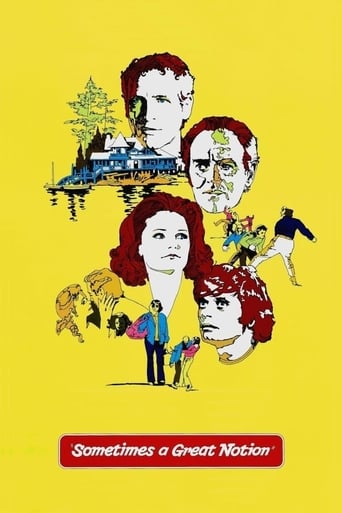
Sometimes a Great Notion

Sometimes a Great Notion 1971

6.94

Hank Stamper and his father, Henry, own and operate the family business by cutting and shipping logs in Oregon. The town is furious when they continue working despite the town going broke and the other loggers go on strike ordering the Stampers to stop, however Hank continues to push his family on cutting more trees. Hank's wife wishes he would stop and hopes that they can spend more time together. When Hank's half brother Leland comes to work for them, more trouble starts.

1971

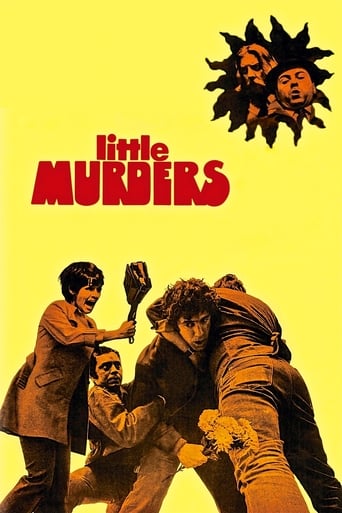
Little Murders

Little Murders 1971

6.70

A young nihilistic New Yorker copes with pervasive urban violence, obscene phone calls, rusty water pipes, electrical blackouts, paranoia, and ethnic-racial conflict during a typical summer of the 1970s.

1971

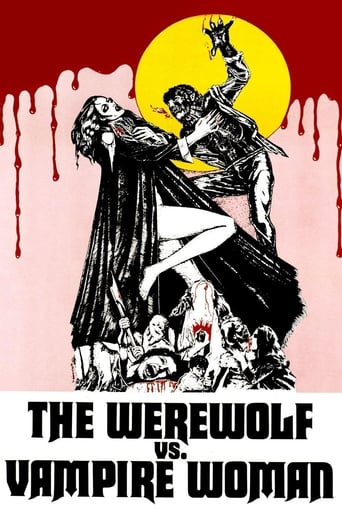
The Werewolf Versus the Vampire Woman

The Werewolf Versus the Vampire Woman 1971

5.40

Elvira is travelling through the French countryside with her friend Genevieve, searching for the lost tomb of a medieval murderess and possible vampire, Countess Wandessa. They find a likely site in the castle of Waldemar Daninsky, who invites the women to stay as long as they like. As Waldemar shows Elvira the tomb that supposedly houses the countess, she accidentally causes the vampire to come back to life, hungrier than ever. Daninsky has a hidden secret of his own, but will it be enough to save the two girls from becoming Wandessa's next victims?

1971

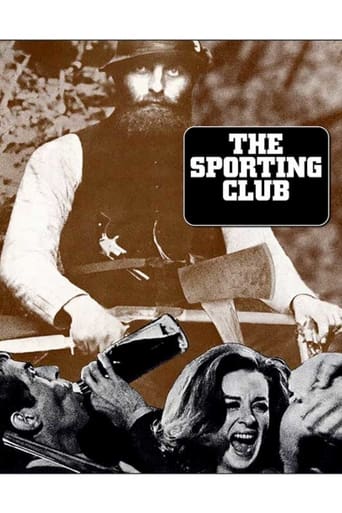
The Sporting Club

The Sporting Club 1971

3.40

The wealthy members of an exclusive backwoods retreat face an existential threat from both a disgruntled former manager as well as a subversive, anarchistic current member.

1971

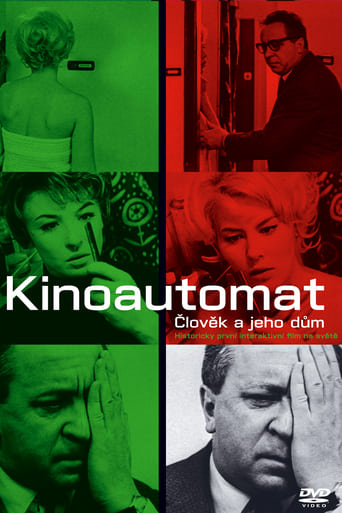
Kinoautomat

Kinoautomat 1971

7.30

Kinoautomat was the world's first interactive movie, conceived by Radúz Činčera for the Czechoslovak Pavilion at Expo '67 in Montreal. At nine points during the film the action stops, and a moderator appears on stage to ask the audience to choose between two scenes; following an audience vote, the chosen scene is played.

1971

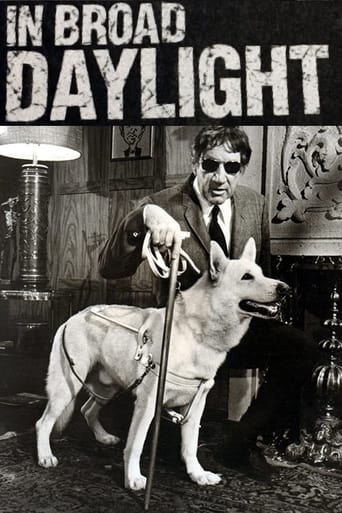
In Broad Daylight

In Broad Daylight 1971

5.20

A newly blind actor discovers his wife is cheating on him with his best friend and hatches a plot to murder her and frame his friend for it.

1971

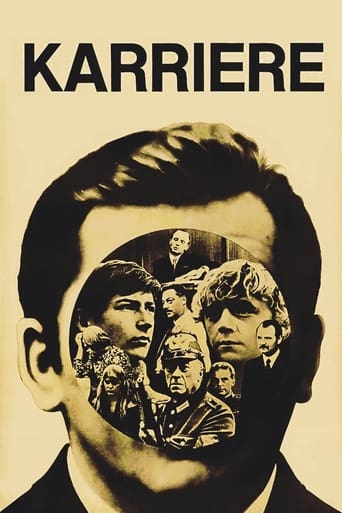
Career

Career 1971

1

Günter Walcher, 40-years-old, is a hardworking, apolitical West German businessman caught in a moral conflict. He is offered a promotion to become the head of a division—on the condition that he find a reason to fire Zacharias, a communist and the work council chairman.

1971

Bel Ami

Bel Ami 1971

1

Set in the 19th-century in France Georges Duroy cynically exploits women and his position working as a journalist to try and gain power.

1971

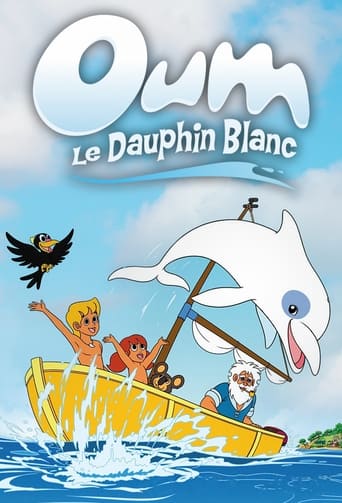
Zoom the White Dolphin

Zoom the White Dolphin 1971

6.00

Zoom the White Dolphin was a 1971 French animated television series, of 13 episodes, created by Vladimir Tarta, directed by René Borg. The original French version was broadcast in 1971 on ORTF's second network and rebroadcast in France from 29 June 1981 on FR3. An English version was produced and broadcast internationally on networks such as CBC Television. The Japanese version of the series was titled Iruka to Shônen, which means "the dolphin and the boy". Production companies involved in the series were Telcia, Saga Films and Japan's Eiken.

1971

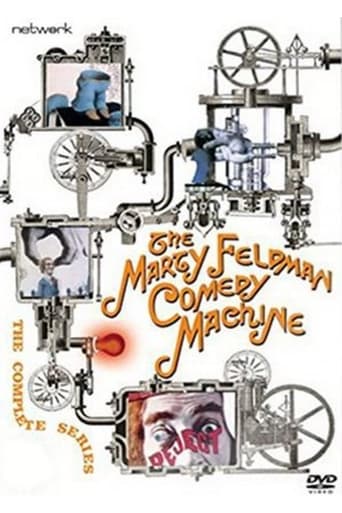
The Marty Feldman Comedy Machine

The Marty Feldman Comedy Machine 1971

6.50

A 1971 comedy and variety sketch show co-produced by ATV in the UK and ABC TV in America, filmed at Elstree Studios. It featured opening and closing credits by Terry Gilliam, guest appearances by Spike Milligan, Bob Todd, John Junkin and Frances de la Tour, and also material written by Barry Levinson and Larry Gelbart.

1971

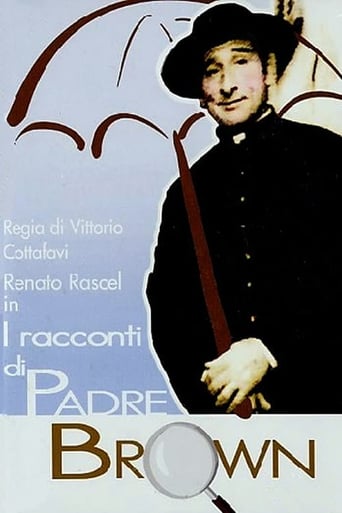
I racconti di padre Brown

I racconti di padre Brown 1971

1

Renato Rascel dons the priest-detective's cassock and, with irony and wit, embodies the character of Father Brown in the six episodes that make up the series. Endowed with a great humanity that allows him to “read” hearts, the protagonist, assisted by the repentant thief Flambeau, solves the cases that arise by resorting to psychological insights that are every bit as good as those of Agatha Christie or Georges Simenon. The series, produced by Rai and broadcast on Rai Uno in prime time, was a huge success with critics and audiences alike and also marked Renato Rascel's personal breakthrough as a comedy actor. He also wrote the theme song, which topped the charts for many weeks.

1971

Rasmus and the Vagabond

Rasmus and the Vagabond 1971

1

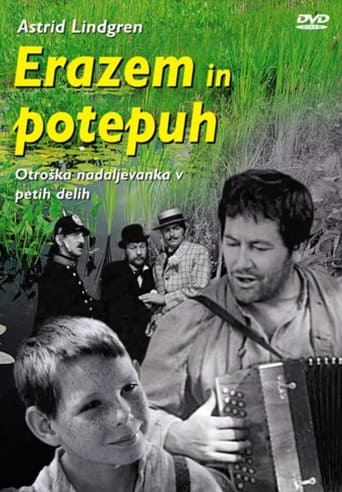
Once Rasmus escapes from the orphanage, he meets on his way a friendly and kind wanderer Oscar, who first persuades him to return to the orphanage, and later allows him to stay and make a living by singing and chopping wood for the old ladies. They spend many unusual, dangerous and interesting adventures together, and reveal the big thieves Lifa and Liandra in the city. In the end, everything goes well and Rasmus finally finds his new family, a warm home and feels what it’s like to live a family life.

1971

Jean Shepherd's America

Jean Shepherd's America 1971

1

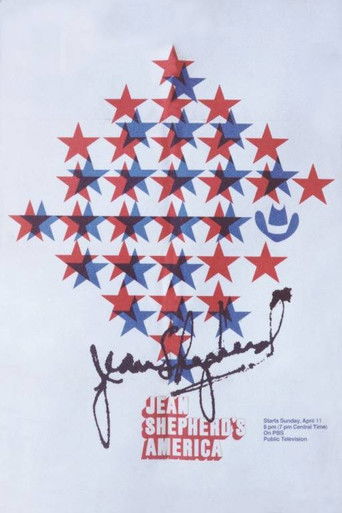
In these humorous and affectionate television poems, humorist Jean Shepherd celebrates America in all its richness and diversity -- from cars to candy, baseball to beer, motels to money. Each week a different aspect of our national psyche is explored as Shepherd travels to the Okefenokee Swamp, Death Valley, Milwaukee, the Old South, and other far-flung locations -- using the PCP-90 portable camera.

1971

Play Away

Play Away 1971

1

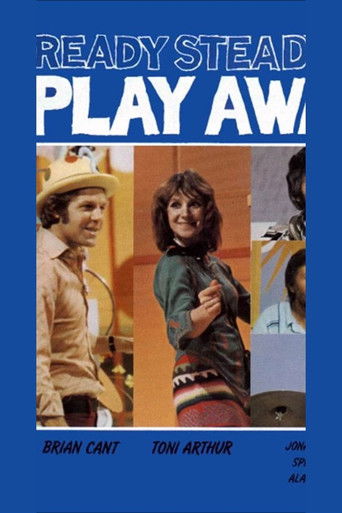
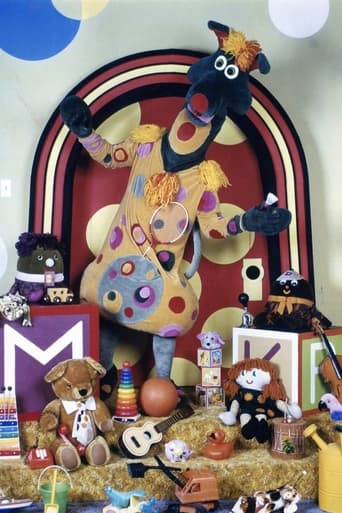
Play Away is a British television children's programme. A sister programme to the infants' series Play School, it was aimed at slightly older children. It ran from 1971 until 1984, and was broadcast on Saturday afternoons on BBC 2. While Play School had a more gentle, intimate feel, featuring just two presenters in a studio with the usual collection of toys, Play Away was much more lively, including songs, games and many jokes. The first eight series were shot in a studio, usually at BBC Television Centre, London, although certain episodes were recorded in Bristol or Manchester. Later episodes were recorded in front of a live studio audience. The format was a little like a music-hall variety show or 'end-of-the-pier' show. The Musical Director was Jonathan Cohen on piano, with Spike Heatley on double bass and Alan Rushton on drums, often with accomplished guest musicians such as trombonist George Chisholm.
1971

Polka Dot Door

Polka Dot Door 1971

1

Polka Dot Door was a long-running Canadian children's television series produced by the Ontario Education Communications Authority from 1971–1993. PDD was created and developed by a team of employees from TVOntario hired and led by original series producer-director, Peggy Liptrott. Significant contributors to the creation and development of the series in 1971 included Executive Producer Dr. Vera Good who laid the conceptual foundation of the show, Educational Supervisor, Marnie Patrick Roberts, Educational Consultant L. Ted Coneybeare, Script Writers/Composers, Pat Patterson and Dodi Robb, Animator Dick Derhodge and Dr. Ada Scherman, a professor at the prestigious Institute of Child Study in Toronto who was consulted in the early stages of PDD's development and is responsible for giving the show its name.

1971

Preußen über alles

Preußen über alles 1971

1

With the defeat of the revolution of 1848, the attempt to unite the German states had also failed. An agreement in the spirit of a Greater Germany, as demanded by Emperor Franz Joseph, was out of the question for Bismarck, who had been Prussian Prime Minister since 1862. For him, unity was only conceivable under Prussian leadership and without Austria. The two great powers still fought together in the war against Denmark (1864). Two years later, the separation from Austria was completed in the German War.

1971

Sale of the Century

Sale of the Century 1971

4.50

Sale of the Century was a UK game show based on a US game show of the same name. It was first shown on ITV from 1971 to 1983, hosted by Nicholas Parsons. The first series was supposed to air only in the Anglia region, but it rolled out to other regions since 8 January 1972 and achieved full national coverage by the end of 10 May 1975, at which point it was one of the most popular shows on the network - spawning the often-mocked catchphrase "and now, from Norwich, it's the quiz of the week." It has been revived twice first on Sky One from 1989 to 1990 hosted by Peter Marshall and then on Challenge TV in 1997 hosted by Keith Chegwin.

1971