
Whiteout 1970
A father and son climb one of the world's most dangerous mountains together to work on their relationship.
A father and son climb one of the world's most dangerous mountains together to work on their relationship.
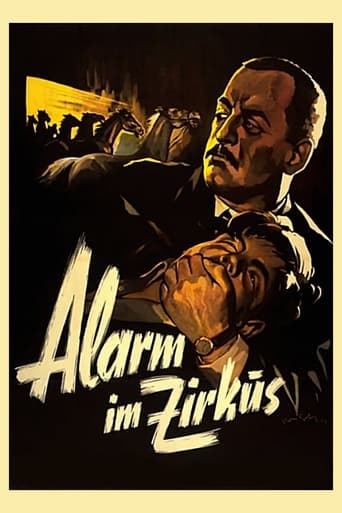
Two boys from West Berlin, Klaus and Max, live in poverty. They dream of a career in boxing and save every penny in order to buy boxing gloves for training. Nevertheless, they cannot seem to save enough and so they let themselves be hired by the bartender Klott for a twisted scheme. However, Klaus overhears one of Klott's conversations and learns that Klott intends for the boys to steal horses from the East Berlin Barlay Circus, where Klaus recently made some good friends. Indignant, he sets out to stop the robbery—and an adventurous action story results.
In contrast to his successful brother Ernst (Heino Ferch), Robby (Sebastian Koch) dropped out of teacher training early and ekes out a living as a taxi driver. When Ernst emigrates to New Zealand to find love, Robby spontaneously takes on his brother's trainee position.

A completely new life begins for railroad employee Werner Nordhaus when he meets the fascinating variety theater director Karena Rodde. She discovers that Werner is a great dancing talent and is determined to win him over for her theater. Karena wants Werner to give up his life as a train driver and start training as an artist for her in Hamburg - a decision that would turn his life upside down...
The press called him the “Pink Giant” or the “Beast from Beelitz”. Before the fall of the Wall, he murdered five women. Wearing pink underwear, he ambushed them in the forest. First he killed them, then he raped them. The East German press never mentioned such cases. When he was caught in 1992, journalists stormed the small village where he lived. In the meantime, he is confined to a psychiatric ward near Brandenburg. He is allowed to wear women’s clothes and is seeking a sex change.
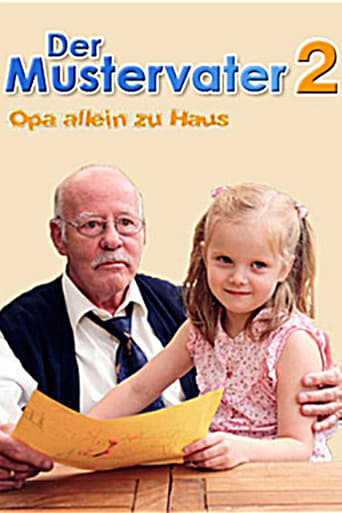
Wonderful prospects for Stefan Herrlich: the father of three is celebrating his promotion to managing director. Just then he learns from his wife Ines that his mother has died. Now Stefan has to take care of his father, the retired Latin teacher and amateur hunter Hubert. The two stubborn men don't get along at all. First they argue about the location of the funeral, then about Hubert's future. When Grandpa is finally forced to move into the Herrlichs' Berlin apartment, the sparks really fly...
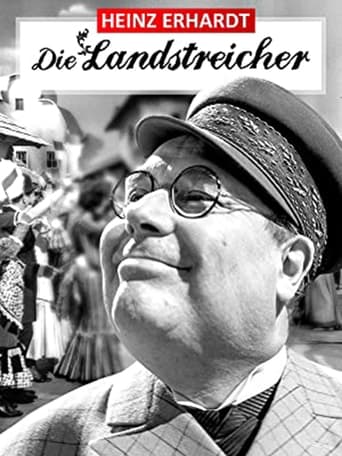
The vagrant Fliederbusch and his wife Berta are imprisoned in a small town's courthouse. They attempt to escape and find themselves in the courtroom. Fiederbusch dons the official robes of an assessor, receives a report from Prince Adolar, who appears with a suburban woman, about a stolen piece of jewelry, and locks the nobleman up...
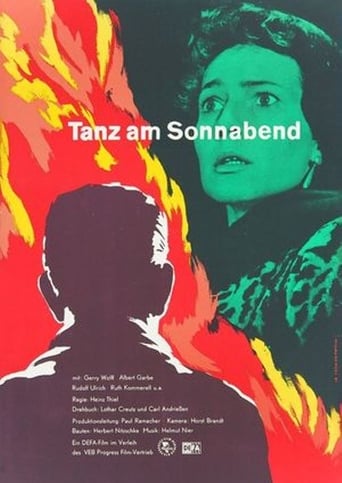
A Saturday evening dance in the village pub is interrupted when the barn of local farmer Paul Gäbler catches on fire. The farmer himself is soon found – hanged. Sawmill owner Züllich claims that Gäbler committed suicide because he was forced to join an agricultural production cooperative, but others are convinced Gäbler was murdered. Officers Schneider and Anders must navigate their way through a complex maze of personal and political motivations in order to reconstruct the crime.
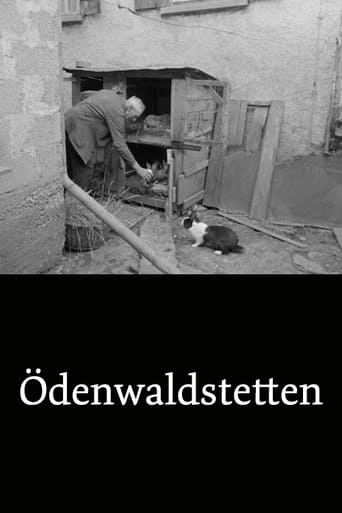
Portrait of a small south German village and its residents in the early sixties. Rural culture is undergoing a transformation caused by the intrusion of the industrial world. Gestures at work and words of its inhabitants.
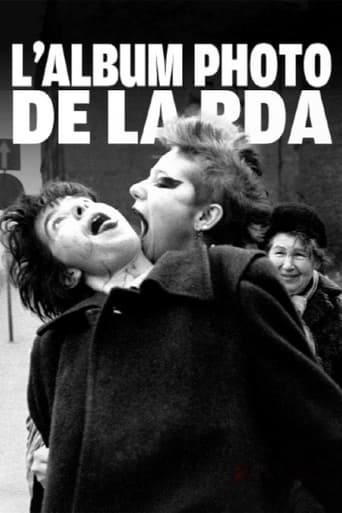
Life in the GDR was not only documented on behalf of the state, but also by photographic artists and journalists. The documentary goes on a journey through time with some of them and shows little-known aspects of the GDR from its foundation to the fall of the Wall. Photographers in the GDR had a surprising amount of freedom; there was no explicit censorship of images. This allowed them to make visible what the state wanted to hide. This documentary presents two photographers who observed life in the GDR and whose work has been rediscovered in recent years.
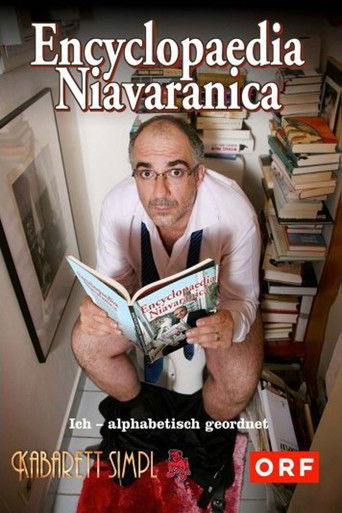
Michael Niavarani is constantly late, he says, and constantly pressed for time. Someone else should organize his books—like Thomas Mraz, who appears with him on stage in "Encyclopaedia Niavaranica." They organize Niavarani alphabetically.
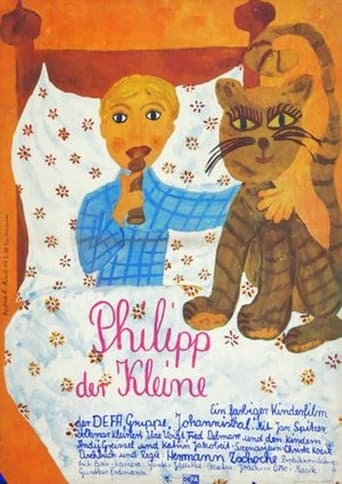
Philipp is a small boy, who other guys pick on, because he's not as large as them. But when a musician gives him a magical flute, he can make objects bigger or smaller.
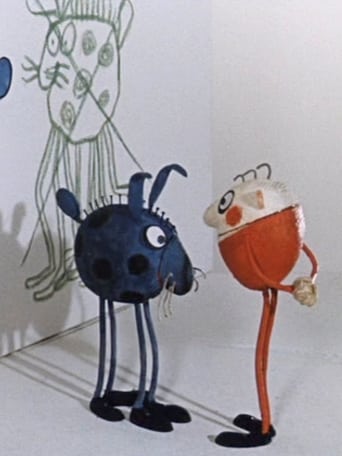
Everything started with a forbidden apple. The independent and intellectual man is responsible for continuous progress. But when profit-greedy people use his new inventions to exploit others a revolution starts because people want to create their Garden of Eden here and now.
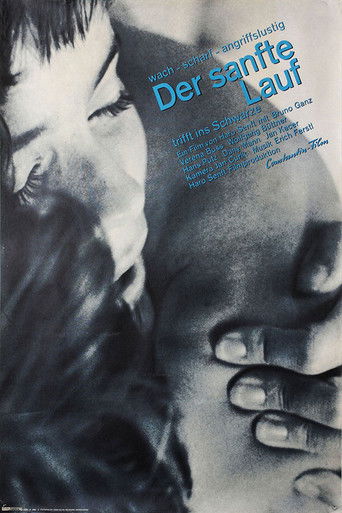
Bernhard works as a warehouse clerk in Munich. After being sentenced to probation for a physical altercation with a right-wing extremist, he could no longer continue his engineering studies. Bernhard meets Johanna. She comes from a well-to-do family; her father is a real-estate developer and her brother is in the diplomatic service. Bernhard wants to share his roots with her, so the two go to Prague, where he lived until the end of the war. But her father disapproves of the trip to the Eastern bloc. When Bernhard finds out that he owes his chance to develop new technology, which led to his career advancement, to his girlfriend’s father, he is upset …
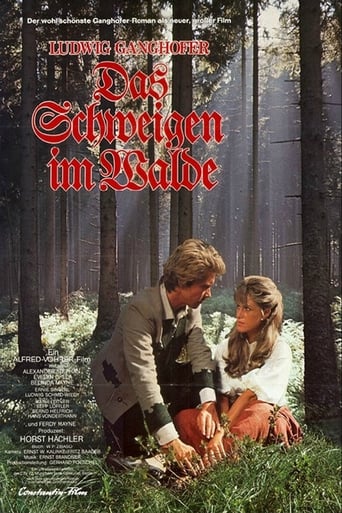
The young Count Ettingen leads a dissolute life in Munich with the demanding Baroness Prankha at his side. To finance his life, he has his uncle cut down the forests in his estate without caring about the consequences. When he catches his girlfriend having an affair, however, he retreats to the mountains. From the young alpine dairymaid Lore he learns about another side of life and wants to stop the overexploitation of the forest. But the baroness still wants his money.
