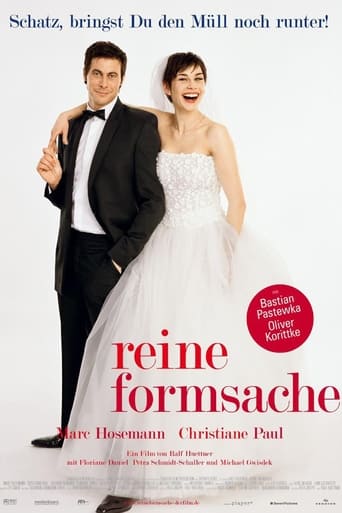
Reine Formsache 2006
Marriage or not, that is the basic question! For Felix is marriage more like a game of roulette, but his wife Pola don't agree with him and wants a divorce. But getting the divorce isn't that easy.
Marriage or not, that is the basic question! For Felix is marriage more like a game of roulette, but his wife Pola don't agree with him and wants a divorce. But getting the divorce isn't that easy.


Young Roman and his mother Oksana leave Ukraine and go to Germany, where she works illegally while they both live with Gert, an old widower who tries to befriend Roman, who struggles for his mother's attention and sees Gert as a rival.
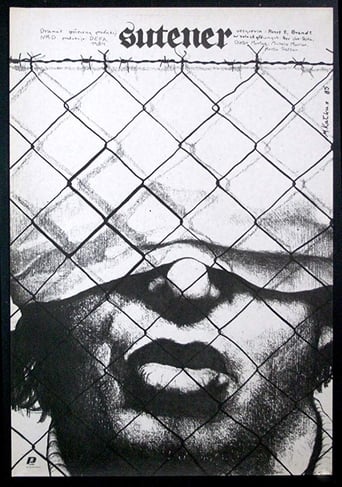
Berlin in the early 1930s. Bello is an unemployed young man who loves the underage Frieda. In order to earn a living for both of them, Frieda goes on the streets. An inspector from the political department takes advantage of this to blackmail Bello into providing informer services. But that's not all. A jealousy murder among pimps, whose victim is a high-ranking Nazi, is blamed on the Communists, and Bello is supposed to be the key witness. He refuses. When the Nazis come to power, they reopen the case to turn the murdered man into a martyr. Bello still refuses. He now believes he is safe because Frieda is now of age. But he pays for his refusal with his life.
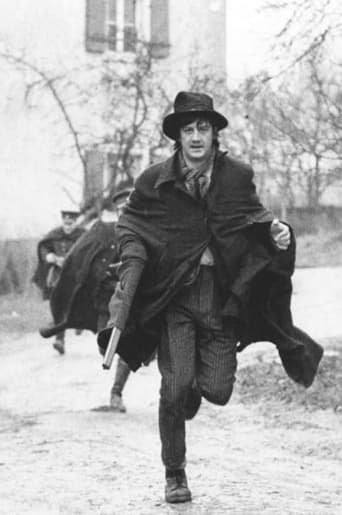
Inspired by the real-life events of Mathias Kneißl, a marginal man, son of poor farmers from Bavaria, in the late XIX century. Mathias stole from the rich to give to the poor, becoming a hero for the rural people and a popular social rebel. He was chased by the police until his unfortunate sentence.
When the writer Heinz Kilian goes to the doctor because of stomach problems, the doctor urges him to be accompanied on his upcoming reading tour by nutritionist Vera Hartel. The two elderly gentlemen, who are driven by long-time publishing house employee Hans Behling, engage in an ongoing psychological duel in which the writer stands for misanthropy and cynicism, the nutritionist for humanity and confidence...
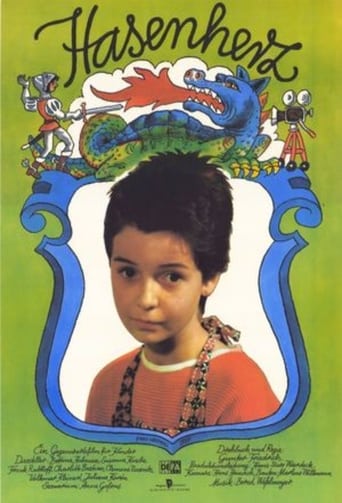
The thirteen year old Janni is depressed, because she's still a little behind in her physical development. This leads to bullying remarks from her classmates. One day, a film crew comes to her school to find a candidate for the role of a Prince in a movie. They choose Janni, who they think is a boy. She takes on the role. At school, she tells her classmates she plays a Princess. When the moment of truth approaches she must find the self-confidence to invite the class to the premiere.
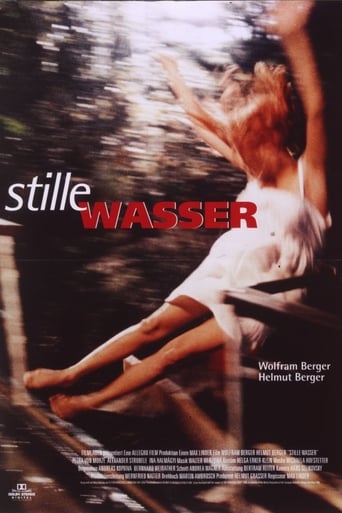
After twenty unsuccessful years, pop singer Harry Kuntz has landed a hit: a remake of Lehár's "Your is my whole heart" catapulted him to the top of the charts. While Harry basks in his sudden fame, his brother and manager Tommy's dream of wealth is just around the corner. A car breakdown on a stormy night leads the brothers to a remote house. Harry is once again playing the sexual daredevil and thinks he's having success with his pick-me-up. A fatal error. Suddenly, the two brothers find themselves in a nightmare from which there is no escape.
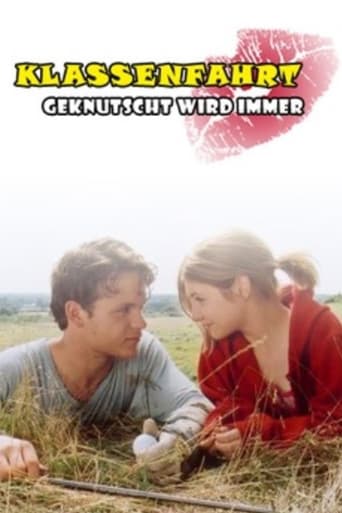
Not Rome, Paris or Florence - the 11c class trip goes to the “spectacular” Sauerland. Nessie, the class representative, is to blame for this; she chose the desolate destination. It's clear that something like this doesn't go without consequences: As soon as he arrives at the country school, the newcomer Erik reveals the secret about Nessie's "full" breasts in front of the entire team. The receipt comes promptly: Nessie gives him a bloody nose and starts a campaign of revenge with her friend Tobi...
After years in Canada, Thomas, returning home, finds a rather frosty welcome. Bernhard has moved in with his girlfriend Maria and the children, and much else in the village is different. His brother Winnie manages the family farm and has a stable family, his rival Bernhard has a solid job, while 35-year-old professional athlete Thomas faces an uncertain future. As internal tensions grow, so does an external threat: After heavy snowfall, the village is to be evacuated due to the danger of avalanches...

Hollywood film music has its roots in Europe. Three composers who fled war and National Socialism to the USA created the sound that still shapes film music today: Erich Wolfgang Korngold, Max Steiner and Franz Waxman. In the early 20th century, these classically trained composers transformed the methods acquired in Vienna and Berlin into a new American art form: film music. They balanced the relationship between image and sound and developed techniques and dramaturgical tricks to achieve the greatest possible effect on the viewer. Their influence is visible in the work of contemporary US composers such as John Williams and Jerry Goldsmith. Today, Oscar winner Hans Zimmer, Ramin Djawadi and Harold Faltermeyer continue this tradition. Their melodies are part of humanity's collective memory and reflect the combined traditions of European and American musical history. The documentary accompanies composers in their work and explores the European roots of Hollywood.
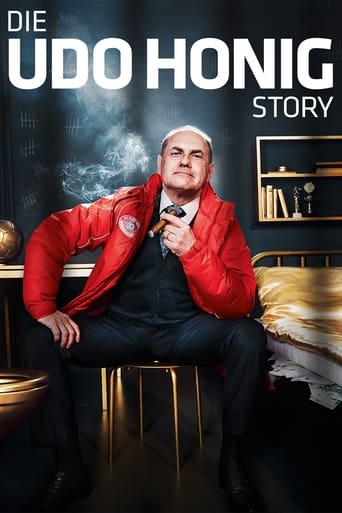
An insight view on the life of Udo Honig, successful football manager with a gambling addiction (similarities to a successful football manager in real life being purely coincidental).
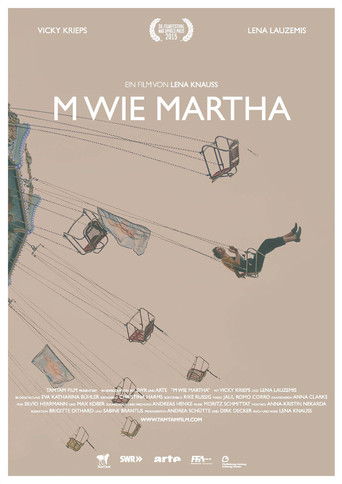
Helene and Martha spend the summer holidays in the polish cottage of Marthas parents where they get as close as never before. Two women, one hot summer, and a short goodbye.
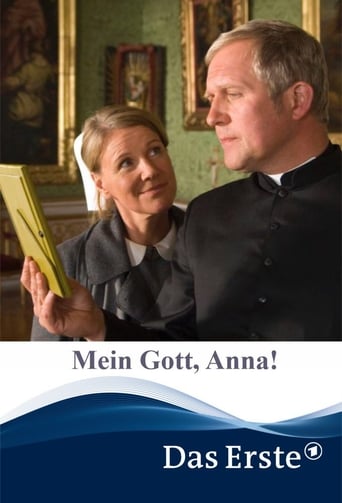
Because her unconventional manner always causes offense, the always good-humoured Sister Anna is ordered to only deal with the financial affairs of her Protestant deaconry in future. Her first assignment takes her to a village near Munich to sell an inn that has been bequeathed to the deaconry. However, the "Weißblauer Engel" is actually a brothel. When Anna learns that the entire village is to be turned into an amusement park, she joins forces with the cheerful ladies of the "Weißlauer Engel" to fight the building tycoon.
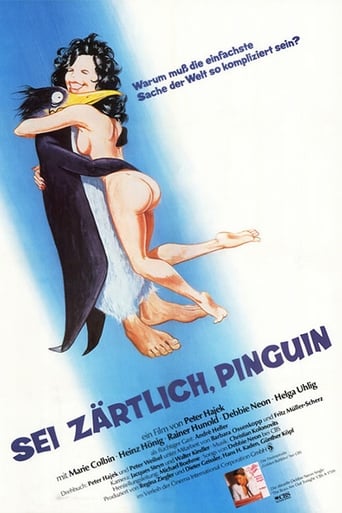
One day, Nina confesses to her boyfriend Mick, that she never has had an orgasm. Comedy about the problems of relationship and sexuality in a parody of the sex enlightenment and soft sex genre.
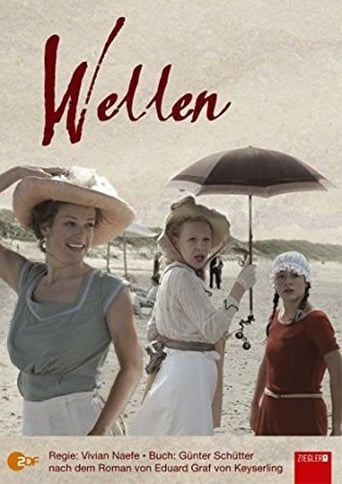
Adapted from Eduard von Keyserling’s 1911 novel of the same title, Waves depicts both the lives and loves of an aristocratic German family during a summer holiday on the Baltic coast of what is now Lithuania, as well as the twilight of a social order and its mores in a world soon to be plunged into the cataclysm of world war.
A train is heading for Germany - a train carrying migrant workers. Trains like this have come countless times since the late 1950s, from Italy, Yugoslavia, Greece, Turkey, Spain and Portugal, and they have brought with them, along with the people they carried, the dreams and hopes of these people for a better life and better work opportunities. In Germany, they were called guest workers.

