A Message from Libya 1974
Libyan documentary.
Libyan documentary.
Libyan film based on a work by Ahmad Ibrahim al-Faqih. The film's events revolve around an Arab woman, her status and varying roles, examined through a historical evocation of the poet Layla al-'Amiriya.
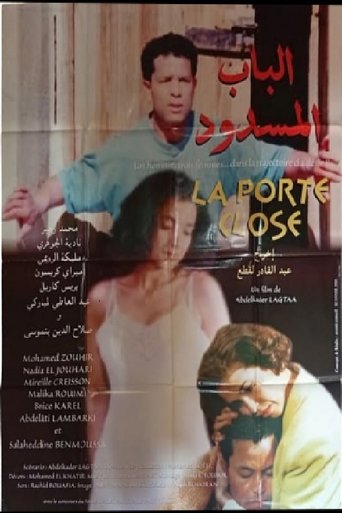
Said is a young man in his thirties. He lives in Casablanca with his stepmother Halima. Halima, separated from the young man's father, is opposed to Said's relationship with his colleague Hayat. Unbeknownst to his stepmother, Said decides to join Hayat. However, tired of his hesitations, she ends up abandoning him for another man.
Mazen, a struggling young man, is addicted to living large on a less-than-mediocre income. He falls in love with a co-worker, Elsa, who happens to be high-society. One day, Mazen saves a rich philanthropist’s life and is awarded a credit card that can withdraw a thousand US dollars every day. Mazen’s life turns around overnight.
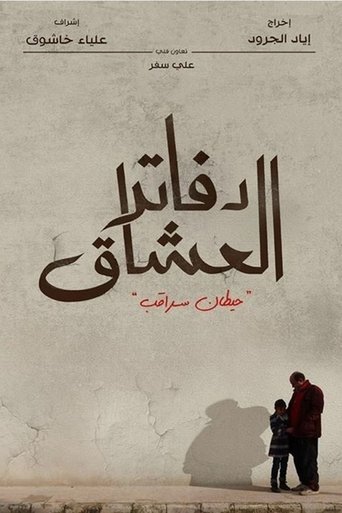
The population of Saraqeb in Syria expresses the ongoing misery in their country and the changes after the revolution through graffiti. The walls are the basis for their existence, providing protection from outside violence. They also bear the names of martyrs, common expressions, poetry, revolutionary slogans and other graffiti. The documentary Lovers' Notebooks was shot over three years and is the first film by Saraqeb inhabitant and media activist Eyad Aljarod who directed it with Canadian-Syrian Aliaa Khachouk. The film reveals the constant tension between the revolt-sparked energy and a sense of despair, between leaving a place and the decision to return, between the euphoria about the beauty of an image and the fear of war. During the film and during the night, the walls of Saraqeb are filled with text like a lover's notebook.
A traditional Kuwaiti girl seeking life beyond her society, to achieve her ambitions and dreams in the modern era, to sing, to dance, and to flourish. We don't know for sure if it's a dream or reality.
Oil and Sand was an extravagant film made by members of the Egyptian royal family and a few friends and relatives in 1952 about a coup d'état, shot just weeks before the royals were overthrown in a real coup. The completed Technicolor film was destroyed by the director in fear that it would be used as propaganda against the ousted monarchy. Following Mahmoud Sabit, the man who found the original 8mm reels and who is himself a relation of the late king of Egypt, this documentary focuses on the reconstruction of the film's story, its array of real life players, and the political circumstances surrounding the shoot. This uncanny marriage of fiction and reality reveals that the original film not only managed to unwittingly predict the fate of the King, but also foresaw the next 60 years of relations between Egypt and the West.
While making his graduation film in Cairo, Omar Ibrahim learns that his home country, Sudan, is being shaken by revolution. In the film’s fictional story, a family is unable to bury their deceased child – a theme that strangely echoes the sense of powerlessness experienced by the filmmaker who, in Nothing Happens After the Revolution, reflects on exile.
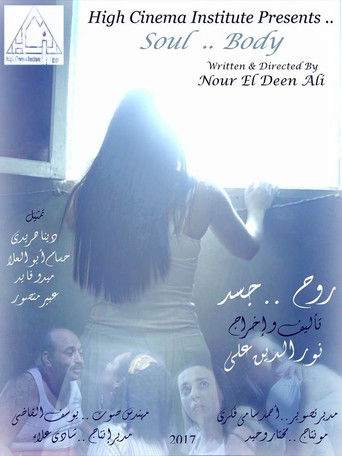
"A girl suffering from her father's cruelty dreams of breaking free from him. After being devastated by the young man she once loved, she decides to take revenge on everyone who played a part in destroying her life."

Family tensions come to the surface when a Muslim mother living in New York gets a call from her son's school, asking her to pick him up early.

A girl spends her life reading about love, observing it like a story that was never meant for her until one day, something begins to change.
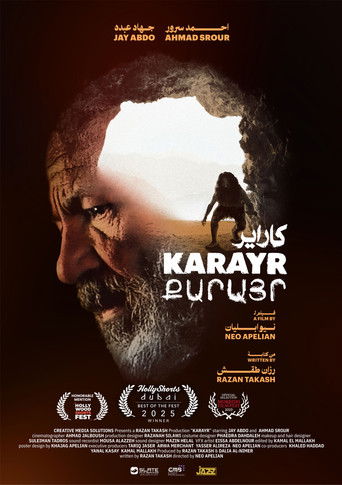
Karayr is a philosophical post-apocalyptic tale set after a biological war that has regressed humanity to its primitive form. The story follows the Man in the Cave (MIC), a lone survivor who tries to civilize a caveman.
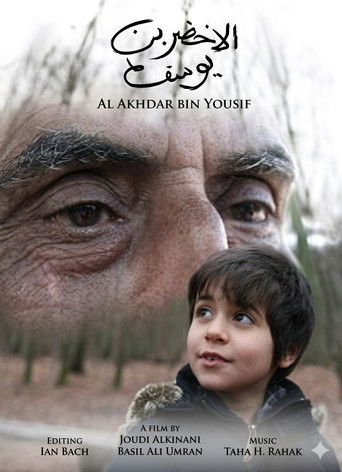
A short documentary about Iraqi poet Saadi Youssef, reflecting on his life, poetry, and thoughts on exile and memory.
A young boy living at the top of a mountain discovers a mysterious forest nearby. His decision to follow a strange creature and venture into the forest will alter his fate forever.
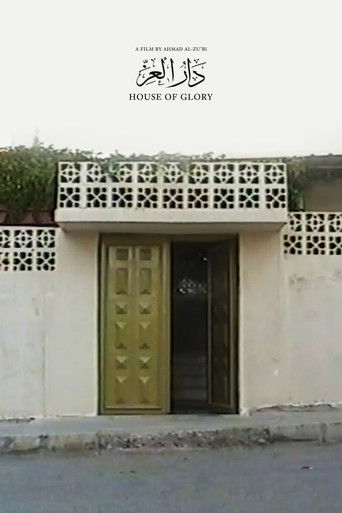
Following the death of his parents, a man remains in the family house. There, he reveals to his son his late father’s journal, a record of the family’s life after the destruction of their village. As they flip through its pages for the first time, the family’s history unfolds, and together they summon his father’s spirit.