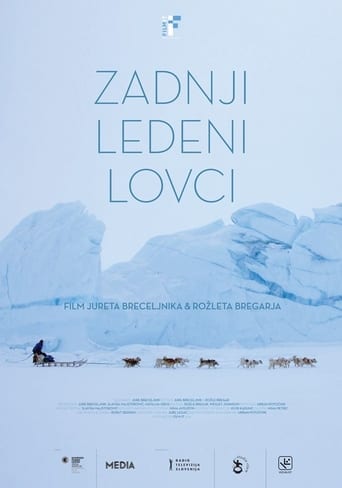
The Last Ice Hunters 2017
The movie The Last Ice Hunters tells a story of the present generation of hunters in the Inuit community of Eastern Greenland, the final chapter in their 4000-year-old history.
The movie The Last Ice Hunters tells a story of the present generation of hunters in the Inuit community of Eastern Greenland, the final chapter in their 4000-year-old history.
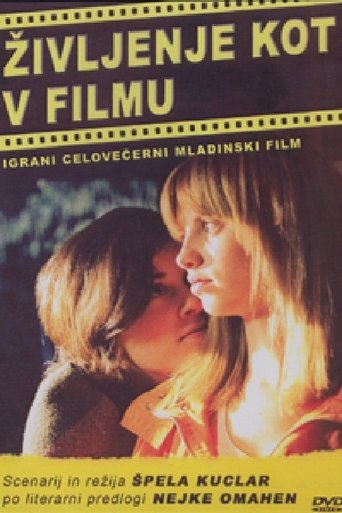
Julia lives with her brother and dad in the city and her life revolves around dancing, friends and school. Despite the fact that Mom is no longer alive and that her father is a film director, an artistic and rather unpredictable man, her life is arranged well. When the father announces one day that they will move on to a village, to his new female friend, Julia must accept the fact that she will get a child sister. Jasna, which is the same age as Julia, makes sure that Julia feels well in the village. She is starting to admire her more and more, borrowing her clothes, and trying to be similar to her. Soon Jasna looks like Julia. In pursuit of love, she assumes a new identity...

Remake of the first 10 films made by the Lumière brothers, which were screened in Le Salon Indien du Grand Café, Paris, on 28 December 1895. This marked the official beginning of –cinema. Director’s idea was to go to the same places where the Lumière brothers made their first films. In the same hours of the day, with the same light, the same camera angle, and the same lenses. To film the vision of Europe as seen by the Lumière brothers, 120 years later.
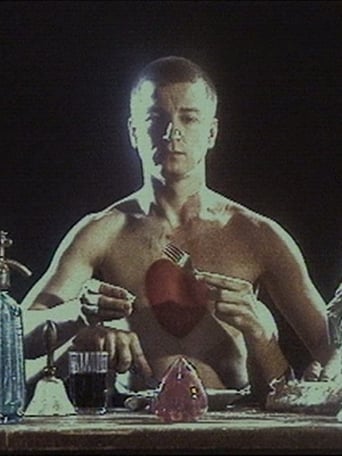
This video dance project is a sort of condensed poetical and cynical look on the situation in the ex-Yugoslav territory. Hysterical and hectic dance movements are put in juxtaposition with surrealistic artificially constructed imageries, based on Magritte's paintings and documentary shoots of the refugee camps, where Bosnian refugees lived in Ljubljana.
Video made by Izvanredni Bob with my GoPro Hero3 Black + during the international documentary film workshop in Ptuj (Slovenia) organised by DZMP Krško.
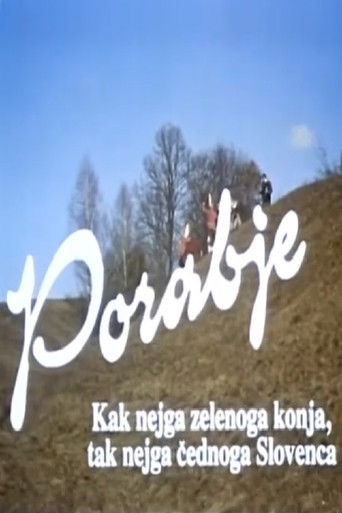
It depicts the life of Slovenians in Porabje region with a puppet show perfomed by the puppet group from Gornji Senik. The puppets represent the Porabje archetypes of a policeman, a cook, a musician, a blacksmith - in short, people who are also found in real life. With the help of the puppeteers, we discover their families and confront the problems of the existence of Slovenians in Porabje.
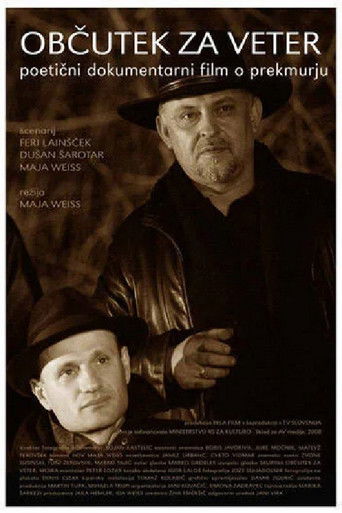
Feel for the Wind is about the power of poetry, about the wind, and about what lies outside our control. It is a poetic portrait of Prekmurje, through the masterful words of the Prekmurje poets Feri Lainček and Dušan Šarotar, interpreted on film by a Bela Krajina native Maja Weiss. In 2004, the publisher Franc-Franc issued a book called Feel for the Wind, which is a unique spiritual monograph of Prekmurje and, at the same time, part of a wider artistic project. The authors envisaged the project as an artistic journey following the feel for the wind, which is understood as a metaphor for silence, for mystery, for that complete otherness.
The human has been freed of physical labour by automatic devices. But the machine made a slave out of the human. The human has become a machine: working, living – and nothing more.

Through three different perspectives on life (belief in God, disbelief in the existence of meaning, and acceptance), this animation explores the author’s interpretation of a natural path in the human experience.

A Balkan folktale about a girl who disguises herself as a man and defies the world. On her journey, she overcomes magical creatures and her own fears – until she meets a legendary beast that changes her forever.
A working day in the life a miller’s family and a modern process of flour grinding in Žito industrial combine.

Video dissects a sentence taken from a propaganda statement by a party politician. With gradual decostruction author leaves only traces of a word socialism.
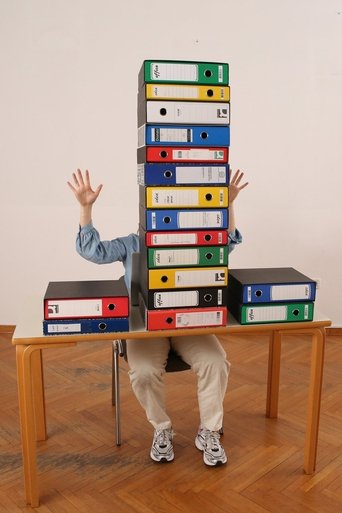
When we have completed our tasks, new ones are waiting for us. The tempo is increasing.
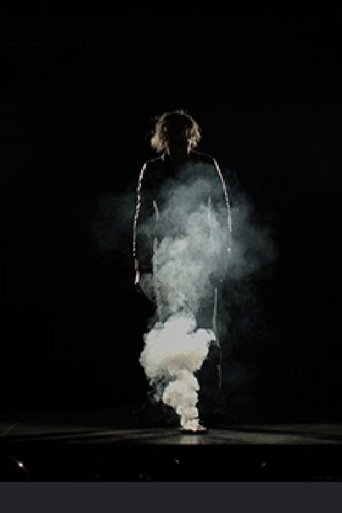
More than 30 years have passed since the establishment of the famous Ana Monro Theater group. During their existence, GAM members significantly influenced the development of modern theater in Slovenia – in addition to street theater, they also introduced theater improvisation to our space.
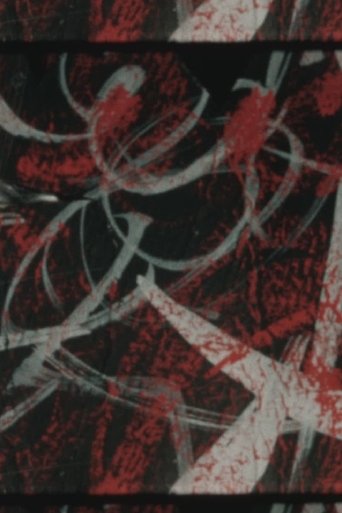
Fantazija is a Yugoslavian (Slovenian) experimental film.
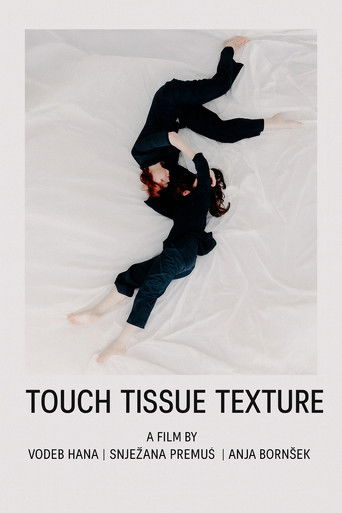
It could be said that space is never just the absence of matter, but is somehow a step ahead of it. As such, it is the initial principle of what is emerging. The dancers and their movement are embedded in multiple layers of materiality such as texture, skin, air, floor, movement, sound in this poetic short dance film. Just as a membrane envelopes and defines the most basic structure of a cell, it also teaches us about the multi-directionality of our attention. The intelligence of boundaries/“membranes” as spaces of response, bring us a sense of containment, limits and at the same time, provide a doorway through which we turn towards the other.
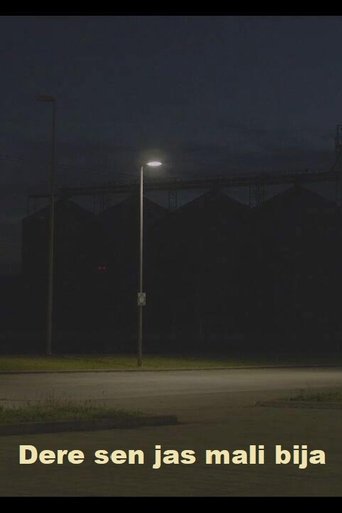
An experimental self-portrait.
Zdravko Caharija Babčev presents his life story and the creation of his collection of fishing items.


In the depths of the Algerian desert the Sahrawi people have been dwelling in the refugee camps for over 40 years. Camps gradually turned into settlements, named after towns in their homeland Western Sahara. One of them is called El Aaiún.

