
The Burial of Judenburg Victims 1923
A Slovenian short documentary film.
A Slovenian short documentary film.
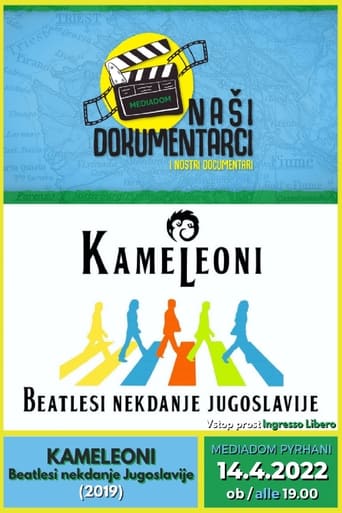
A musical-documentary film about five high school students from Koper who drove Yugoslavia crazy in the late 1960s. Despite a handful of their own original compositions, they filled halls and football stadiums with more than 10,000 visitors. The Ljubljana Exhibition and Convention Center and the Tivoli Hall were opened in Ljubljana. They laid the foundations of the Yugoslav music industry. The Kameleoni pulled back the Yugoslav Iron Curtain and helped the entire generation break free from the shackles of ideological and cultural post-war monumentalism.

Red Forests is a rethinking of the erection of the razor wire on the EU borders. It considers and reflects how the razor wire plays a role of a tool of governance and power. Additionally, the film is rethinking the forests along the EU borders – as geographical, natural as well as political spaces – that bear history of clandestine refuge as well as of clandestine solidarity practices.
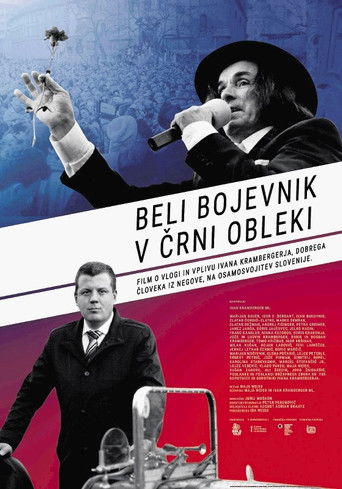
Portrait of Ivan Kramberger, Slovenian presidential candidate, who was assasinated in 1992.
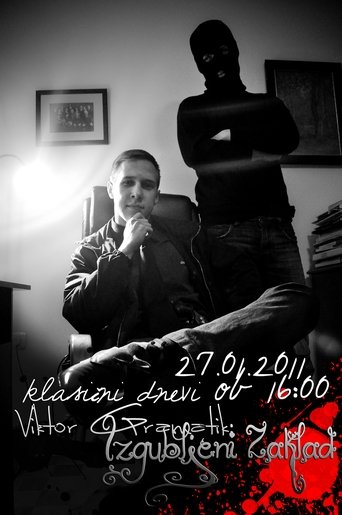
An archeologist's wife is kidnapped by a mobster and he is forced to seek out an ancient book for him.

A complex landscape of improvised situations immersed in a perpetual network of mines under the Slovenian town of Trbovlje (Iztok Kovács' hometown and his main source of inspiration). The realistic imagery of this post-socialist city, which seems to still exist outside of time, has triggered the impulse of this introspective introspection by a team of renowned dancers and filmmakers. The physical tension and human flashes of seven bodies crashing into a deliberately chosen enclosed environment, surrounded by the unlit warmth and humidity of the underworld, inhabit and create the poetic mood of the film, echoing Tarkovsky and Beckett.
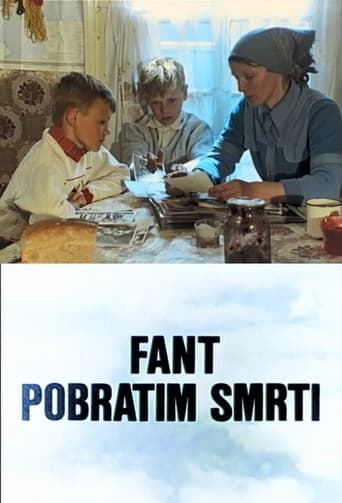
An emotionally shattering portrait of the unfulfilled childhood of Anatolij Rizov, a boy caught in between the post-catastrophe condition of his home town Chernobyl and the state of siege in Slovenia during its brief war for independence, where Anatolij is spending summer holidays.
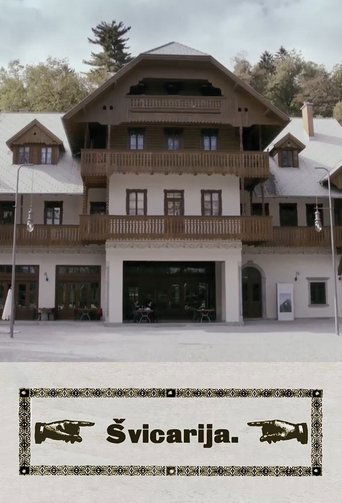
A good century after Tivoli Hotel opened in Ljubljana, the building underwent a thorough restoration to become the Švicarija Creative Centre. Known for decades as “the cradle of Slovenian sculpture”, it had been home to artists as well as oddities and Russian migrants. The documentary combines personal accounts from former residents with archive material and the life this extraordinary building has today.
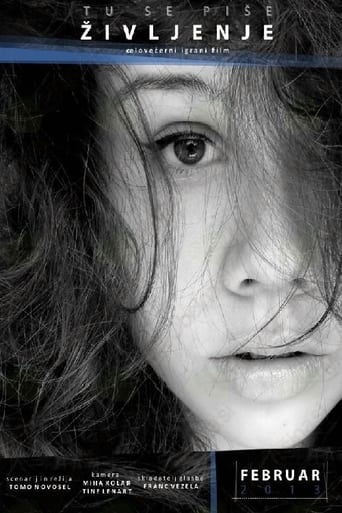
An amateur film shot in only 8 days. We follow teenagers who are on their way to becoming adults, even though they are supposed to be adults already. We follow the poetic and sarcastic Selektor, who is followed by his high school friend, who randomly runs into an old acquaintance – Dahi – and Sonja, an intelligent girl in her twenties who lives both in the working world and in the company of those who are supposed to be a kind of elite. A smaller part of the story is also devoted to other characters, about whom we learn as much as we are meant to. We meet James and Maxim, an Englishman who writes tourist stories about Slovenia and a French physicist, whom chance has brought together among the guests of the bar, so that through them we also learn more about the others and vice versa.

The War of the Words or the Respectful Silence? is a commissioned film made for an educational program in schools. Through this program, children rediscover their own history, the history of their territory and apply this knowledge to the future.
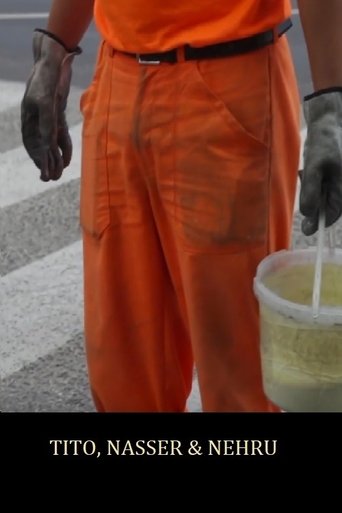
Fayza from Egypt and Savyasachi from India have been trying to have a conversation with the workers, who come to work in Krsko from Bosnia and Herzegovina and other Ex-Yugoslavian countries, Albania and Kosovo. The first day the workers were fine with filming, but the next day there were just signs of their work on the streets…
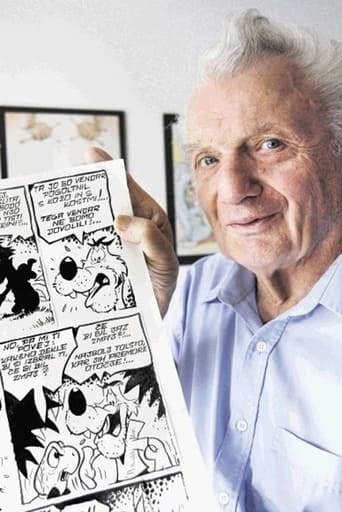
A documentary about modern-day comics.

A crime story involving drugs.
In 2010 and 2011, the huge Slovenian construction sector, which employed more than 70,000 foreign workers, collapsed, leaving behind it debts, halted construction activities and exploited and unpaid workers. Most employed workers came from the territory of former Yugoslavia, especially Bosnia and Herzegovina. While the government silently watched the exploited, underpaid, unpaid and humiliated workers, the accumulation of wealth on one side led to the accumulation of indignation and resistance on the side of the exploited and those struggling against exploitation. Because the competent state bodies, the mass media and the broader public had failed, the self-organisation of workers was inevitable. They demanded better living conditions, the payment of unpaid salaries and social security contributions, equal opportunities, etc. Armin, Aigul and Esad take us through particular stories and specific areas of work (activism and the construction industry), making them general and universal.
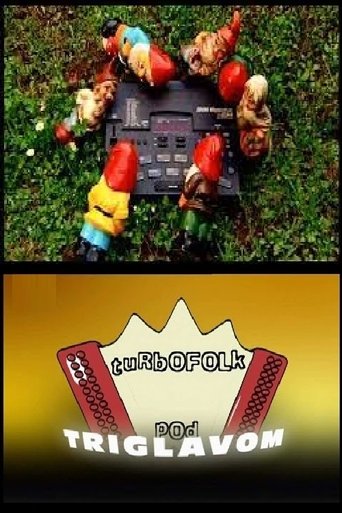
The phenomenon of urban country music from the Balkans particularly in Slovenia.

An exploration of the ethics and aesthetics of pleasure.
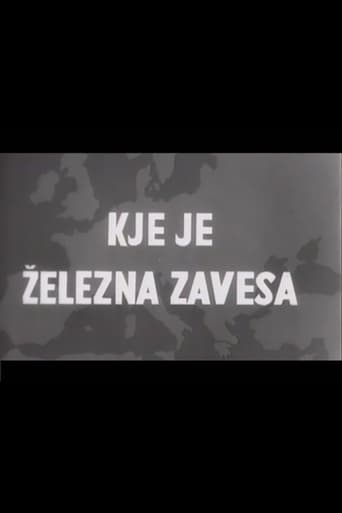
Life and friendly neighbor relations on the Yugoslav-Italian border. Undisturbed growth of trading between the two countries.

Presenting Maribor Fair exhibitions and its historical review.
Demonic pressure of schizophrenic and paranoid media through Satan's eye on everyman who is looking for a solution to keep his sanity. (The film was made during the general quarantine in Slovenia in 2020 based on the government decree to fight coronavirus)

Brothers Sun-Gi and Ignus travel the post-apocalyptic land. Their paths cross with a band of evildoers and their car gets stolen along with brother Ignus. Determined to find his brother, Sun-Gi goes on a path of redemption.

