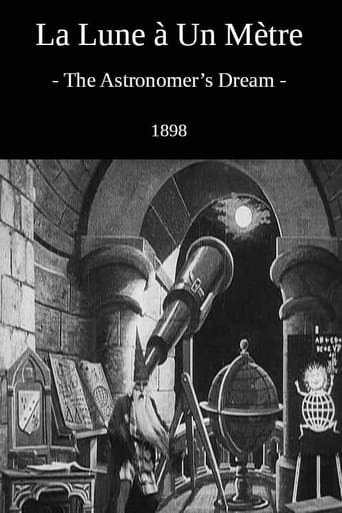
The Astronomer's Dream 1900
An astronomer has a terrifying dream.
An astronomer has a terrifying dream.
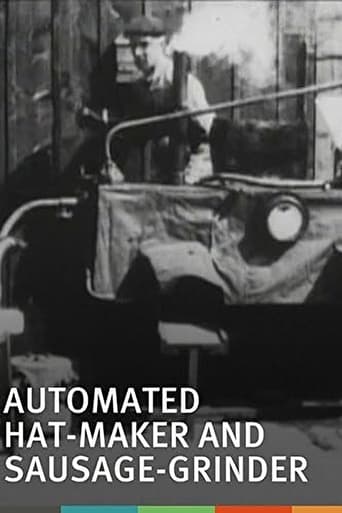
A machine churns out sausages on one side and spits out hats on the other. The director of this film is not credited in any contemporary catalogues or trade publications, or attributed to anyone by scholars or primary sources.

Two sets of images are superimposed. From the side, we see a two-masted ship. Across the deck walks a skeleton. It sits down, its legs akimbo. The legs separate and continue a dance while the body of the skeleton faces us and the skull moves its jaw bone. It rises and the legs rejoin the skull and body for an additional jig back and forth on deck.
Scene from the second act of The Prince of Wales Theatre production.

A divinely inspired peasant woman becomes an army captain for France and then is martyred after she is captured.
"Nothing new, but an old thing done over again and done well. Some one has attempted to describe a kiss as "something made of nothing," but this is not one of that kind, but one of those old fashioned "home made" kind that sets the whole audience into merriment and motion, and has always proven a popular subject. It is very fine photographically and an exhibit is not complete without it." -Edison film catalog.
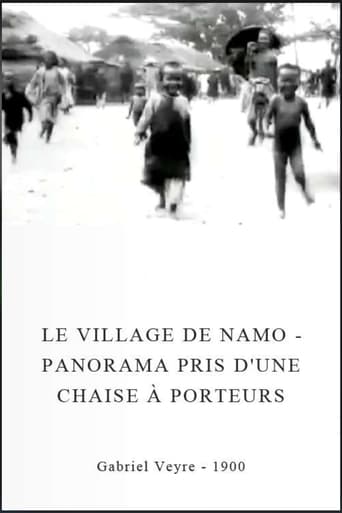
The film is a panorama shot-scene lasting just under a minute. The panorama film, as coined by Lumière, is a moving-camera shot--usually accomplished by placing the camera on a moving transport, such as a boat or train.
White’s camera offers several 360-degree pans of views of the fairground, then amazes by tilting up and down the Eiffel Tower, and concludes with a stunning tracking shot to the highest point above Paris. Exhibitors freely grouped films into nascent narratives such as those displayed here. - Bruce Posner
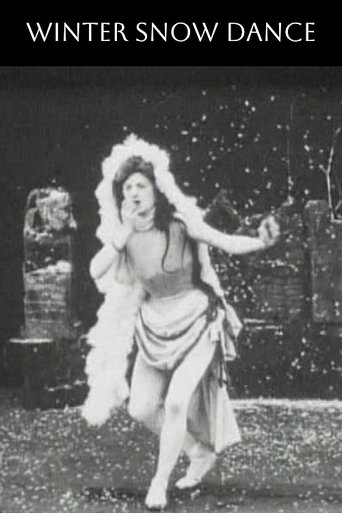
A dancer personifying Winter, dances in the snow. "L'Hiver: Danse de la neige" is the fourth and last film of the series DANSE DES SAISONS. "Le Printemps: Danse des roses", "L'Eté: Danse de la moisson" and "L'Automne: Danse des vendanges" are lost or unlocated.
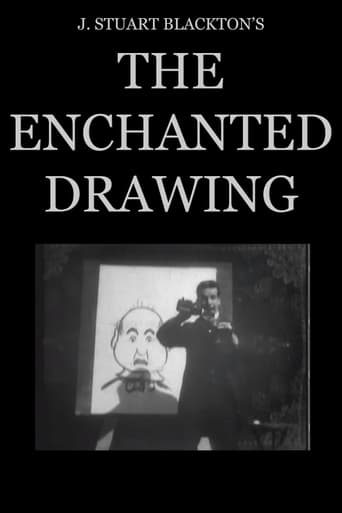
A cartoonist defies reality when he draws objects that become three-dimensional after he lifts them off his sketch pad.
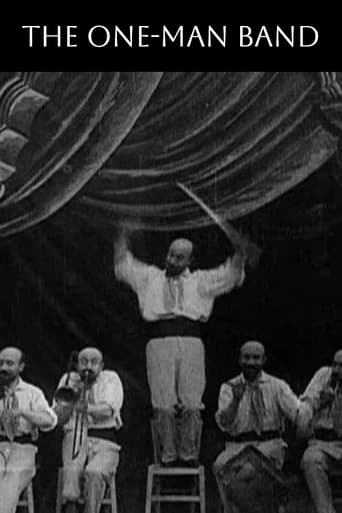
A band-leader has arranged seven chairs for the members of his band. When he sits down in the first chair, a cymbal player appears in the same chair, then rises and sits in the next chair. As the cymbal player sits down, a drummer appears in the second chair, and then likewise moves on to the third chair. In this way, an entire band is soon formed, and is then ready to perform.

“Showing the entire height of this wonderful structure from the base of the dome and return, with the great Paris Exposition in the background, looking down Champs de Mars. A most realistic picture.” According to Edison film historian Charles Musser, this film features the first camera tilt among the company's surviving oeuvre.

Two delinquent clerks are seated in a broker's office engaged in a game of cards. The boss suddenly appears walking through the corridor. The cards are thrown down in great haste and when the employer enters the office the clerks are apparently busily engaged in their work.
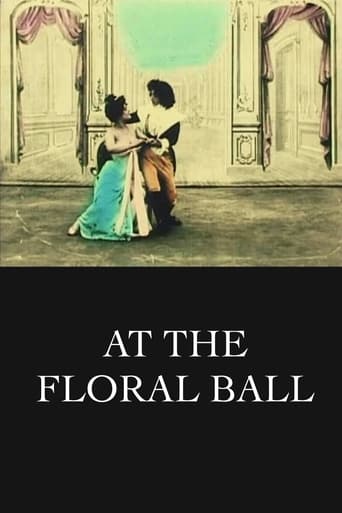
A turn-of-the-last-century hand-tinted short, which features two women, Miss Lally and Miss Julyett, dancing at a ball. By the legendary French filmmaker Alice Guy (attributed only, but not confirmed in any primary sources).
Showing the attacking forces drawn up in line of battle. They immediately commence firing on the shore batteries. The batteries return the fire with telling effect, but are at last silenced by the overwhelming forces of the enemy. In the distance can be seen the ruins of a bridge destroyed by the invading forces. The smoke thickens as the firing becomes general, and the effect is superb.
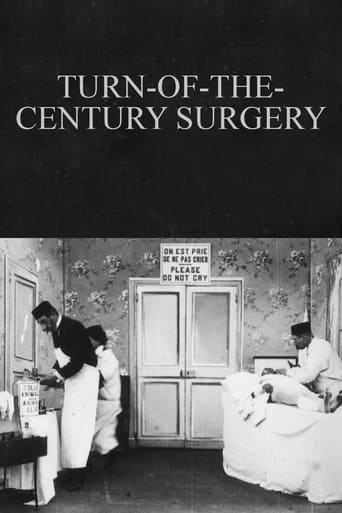
George Mélies made a version of this a few years later, often titled Une Indigestion, but Guy-Blaché’s earlier film Chirurgie Fin de Siecle (1900) is more widely available. And it’s not one to watch the night before an operation. In this clinic, a sign pleads “On est prie de ne pas crier/Please do not cry”, and the doctors set about the patient with saws, cheerily hacking off limbs, and then slopping them into a bucket, all the while arguing ferociously with each other. They then reattach arms and legs from a bucket of “exchange pieces” (using glue) before re-animating their victim, I mean patient, with bellows. (from http://silentlondon.co.uk/2015/01/23/10-disgusting-moments-in-silent-cinema/)
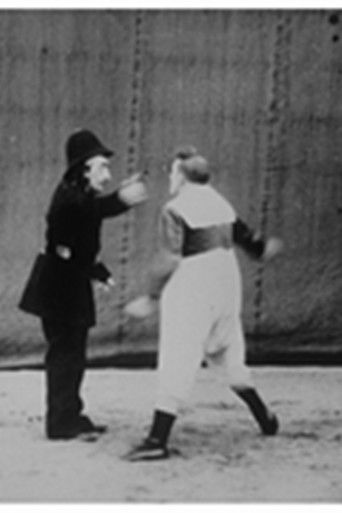
Comic scenes taken at the Nouveau-Cirque by the two famous clowns Foottit and Chocolat. To separate Foottit and Chocolat who are fighting, their servant brings a policeman to whom the two accomplices play all sorts of tricks.
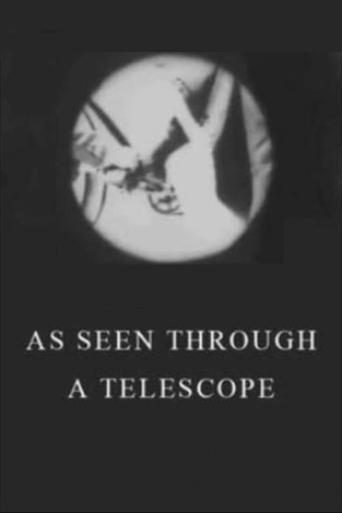
An elderly gentleman in a silk hat sits on a stool in front of a store on the main street of town. He has a telescope that focuses on the ankle of a young woman who is a short distance away. Her husband catches the gent looking. What will the two men do now?

The fairy at a cabbage patch hovers over the babies. This is a remake of Guy's 1896 film on the same subject, this time shot in 35 mm.
