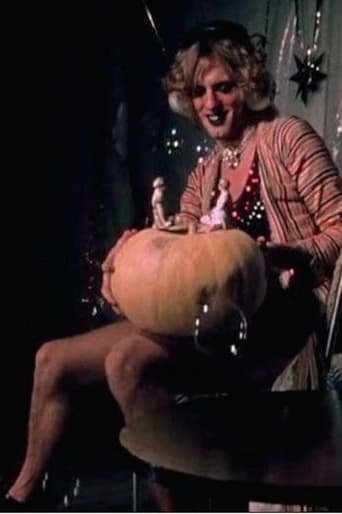
Electric Fairy 1971
Short film made on Bankside featuring, as the electric fairy, a "young man with curly blonde hair, a star on his forehead and stars on his tunic, headphones, jewels and carmine lips".
Short film made on Bankside featuring, as the electric fairy, a "young man with curly blonde hair, a star on his forehead and stars on his tunic, headphones, jewels and carmine lips".
This 1971 animated movie tells the well-known story of Jim Hawkins and his adventures in search of treasure of Treasure Island.
Second animation about Gena and Cheburashka. Cheburashka wishes Gena the Crocodile a happy birthday and gives him a toy helicopter as a gift. After meeting some pioneers, they decide to be pioneers themselves. They build a playground for the local children and collect scrap metal, after which they become pioneers.
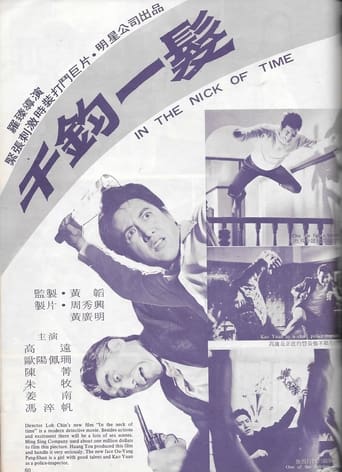
In the Nick of Time is a Hong Kong Crime movie starring Stanley Fung.

A new pilot arrives to a far away airport forcing the old veteran to retire.


Ambitious businessman Shyamalendu enjoys showing his visiting sister-in-law, Tutul, the extravagant life he leads with his wife. But Tutul is less than impressed with the trappings of wealth.
The trials and tribulations of the first Hispanic mayor of a major Southwestern city.
As the Killer Priest Shinkai travels around Japan during the Meiji era, he comes to the aid of a village headman fighting corruption from up above. Before he can do anything for the townspeople, he must first face his nemesis, Whipmaster, the blind Priest, a master killer thirsting for revenge.
The old Zabrodins have always lived honestly, according to their conscience. What is happening in the family of the eldest son, and especially the way the youngest son, a famous soccer player, behaves is not only incomprehensible to his parents, but makes them suffer severely, causes mortal pain.
The story of British serial killer John Christie, who committed most or all of his crimes in the titular terraced house, and the miscarriage of justice involving Timothy Evans.
Wolfgang Amadeus Mozart's Magic Flute is undoubtedly one of the most multi-layered, profound, complicated, and therefore also most difficult to stage works in the entire opera repertoire. In terms of genre, it can only be understood if it is seen as a mixture of four things: a philosophically profound drama of ideas with countless encryptions, a naïve fairy tale, a bawdy comedy, and a crude Punch and Judy show. It is based on the intersection of the traditions of Baroque magic opera, Italian buffa, and Viennese Singspiel, where all manner of wonders are conceivable and permissible. Peter Ustinov's production appeals to all those who love a primarily fairy-tale-like interpretation; the atmosphere is traditional and conventional. An outstanding ensemble of singers has been assembled.

A cinematic ode to actor Adolf Dymsza, one of the biggest stars of pre-war Polish cinema. The film combines footage from Dymsza's new movies and contextualises in the frame story of Mr. Dodek, a retired actor who recounts his past exploits while trying to earn an allotment for a plot of land.
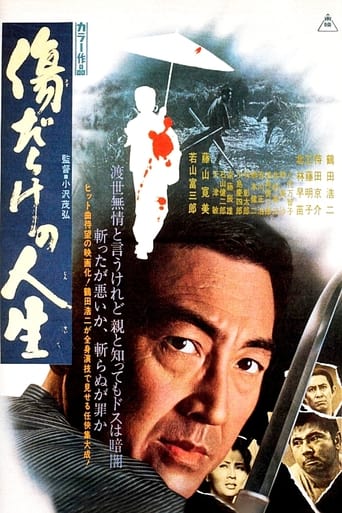
Set in Osaka, during the devastated time of post-war Japan, this is a tale of the yakuza who set about rebuilding after the death of their Oyabun (big boss). Battles erupt as tempers explode as someone seeks to fill the seat of power.
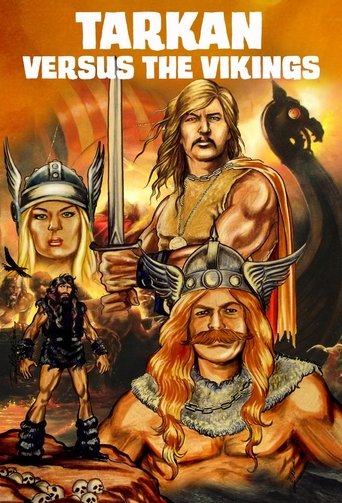
Features a mustached villain, who is the leader of a Viking clan that worships an octopus god-monster. The Vikings wish to kidnap a beautiful girl to sacrifice her to their demigod, but the heroic Tarkan, aided by his dog, Kurt, is there to save the day.
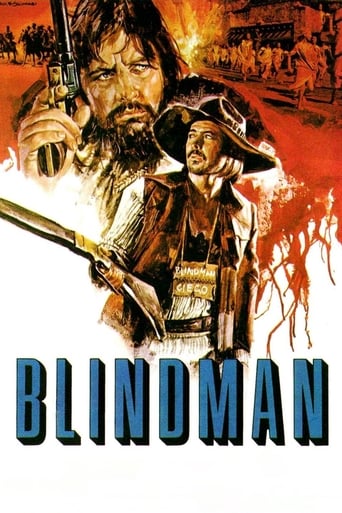
A blind, but deadly, gunman, is hired to escort fifty mail order brides to their miner husbands. His business partners double cross him, selling the women to bandit Domingo. Blindman heads into Mexico in pursuit.
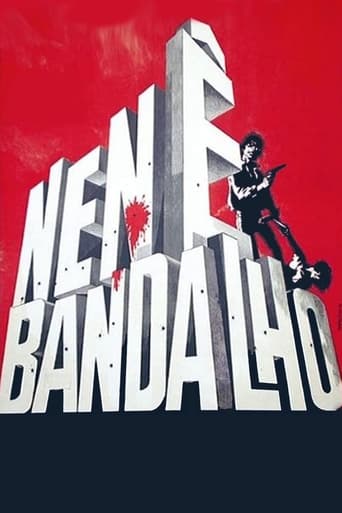
The police mobilize their resources to capture Nenê Bandalho and, while he tries to escape, he remembers some of his life's most important episodes.
Television movie that consists of two episodes from the UK TV series Journey to the Unknown (1968): Do Me a Favor and Kill Me (1968) and The Killing Bottle (1969).
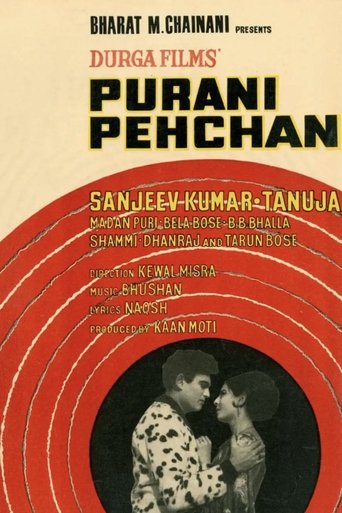
Sandhya (Tanuja) suffers from recurring nightmares in which she is stalked by a hideous, deformed witch. Eventually she begins to see the witch even when awake, tormenting her even further. At a party, Sandhya mistakes a beggar for the deformed creature of her dreams. She stabs the woman and is forced into an asylum for the criminally insane where she meets with a tragic death. Mourning their loss, Sandhya’s uncle (Tarun Bose), fiancé (Sanjeev Kumar) and best friend (Bela Bose) begin to see her ghost roaming about. Is it their imagination? Or has Sandhya returned to haunt them?
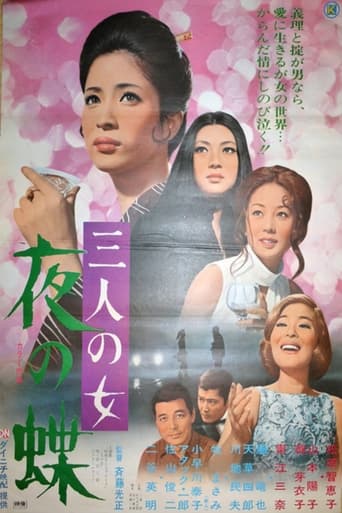
A 1971 crime film
