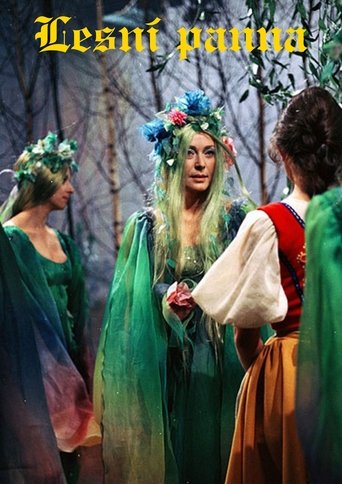
Lesní panna

Lesní panna 1973

1

The innkeeper Barnabáš and the teacher Isidor Slovíčko succumb to the lure of old Moreles, to whom the young Taussig sends enthusiastic letters from America. They therefore set off to seek happiness and wealth in America. After saying goodbye to her beloved, the teacher Slovíčko, Terezka meets the forest maiden Jasana, who promises her that she will look after her beloved in exchange for her three hairs...

1973

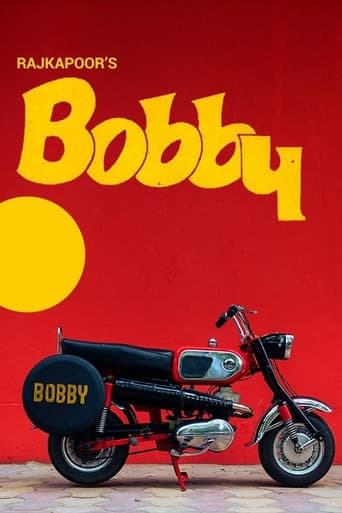
Bobby

Bobby 1973

6.20

Raja is the 18-year-old son of a wealthy Bombay businessman who suffers from his parents coldness and neglect. Shortly after finishing school he meets Bobby, the 16-year-old daughter of a poor Christian fisherman. They fall head over heels for each other, but they'll need everything they have to defend their love as their families won't accept them marrying each other...

1973

Rabia

Rabia 1973

7.00

Based on the life of female Muslim saint Rabia Basri.

1973

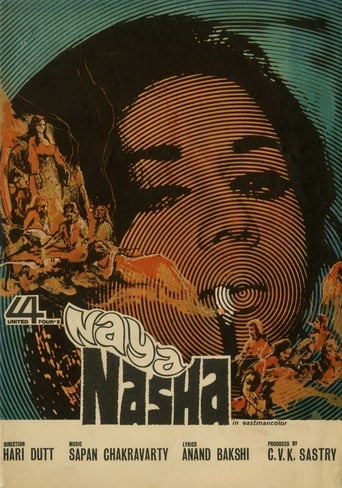
Naya Nasha

Naya Nasha 1973

1

Story of Reena, who gets into drugs.

1973

Çaresizler

Çaresizler 1973

3.00

When his wife is raped and murdered, Osman starts killing everyone on his path to find those responsible. In time, he becomes a powerful mob boss, but still continuing his search. When his enemies decide to hire a famous thug / fighter to get rid of him, he turns out to be Osman's long lost son.

1973

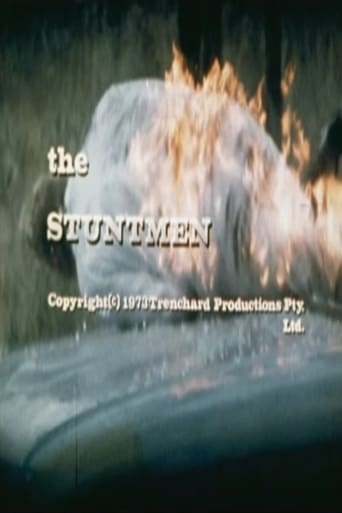
The Stuntmen

The Stuntmen 1973

7.00

The Stuntmen is a one-hour documentary for Australian TV written and directed by Brian Trenchard-Smith. It was through this movie that Trenchard-Smith met Grant Page, who he put under a five-year contract and featured in a number of movies. The film also acted as a "calling card" which enabled the director to get finance for The Man from Hong Kong (1975).

1973

Islam

Islam 1973

10.00

This short film is part of Karpo Aćimović Godina's experimental and documentary work in 1970s Yugoslav cinema. It extends his interest in regional identities, minorities, and the visual traces left by different cultures on Yugoslav territory. The film offers a journey through examples of architecture, decor, and objects related to Islamic tradition in the former Yugoslavia, such as mosques, ornamental elements, and calligraphy. It explores how this art is embedded in the region's history and in the daily lives of the communities that produced it. It is an observational film, without a dramatic plot, functioning primarily as a "visual essay" on the material culture of Islam in a Balkan context. The tone is analytical and contemplative, closer to a cultural study or a poetic inventory.

1973

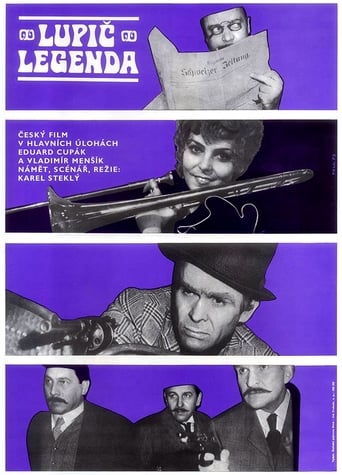
Legenda, the Robber

Legenda, the Robber 1973

1.00

It is 1905. The police director gets Jindrich Legenda (Eduard Cupák) shadowed as, yet Legenda had served his sentence for a burglary, the jewels have not been found. Russian revolution encouraged also Czech workers to fight for their rights. Radical anarchists are followed by Legenda's friend Karel Wohryzek (Vladimír Mensík) who was forced to collaborate with the police as he was convicted of pornography distribution.

1973

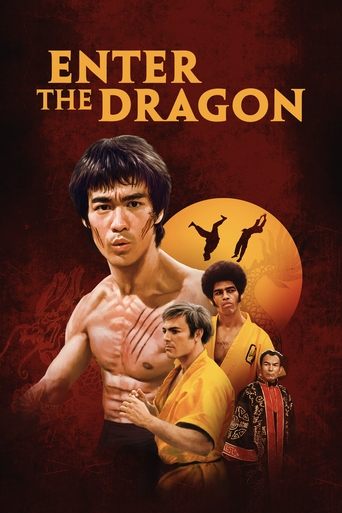
Enter the Dragon

Enter the Dragon 1973

7.42

A martial artist agrees to spy on a reclusive crime lord using his invitation to a tournament there as cover.

1973

Fortune

Fortune 1973

1

A timid bank clerk is pressured by gangsters, his girlfriend and his fellow employees to help steal the bank's supply of dollars.

1973

Wayne Train

Wayne Train 1973

1

A short documentary on the making of THE TRAIN ROBBERS

1973

Mustang

Mustang 1973

7.00

Pechudo is a magnificent jet-black stallion who epitomizes the adjective, "freedom." Running wild in Mexico, Pechudo and his running mates are constantly being sought out and captured by ranchers. Time and again, however, Pechudo would elude capture, then return and seek out his fellow mustangs and free them, and the adventure would repeat itself.

1973

Jesus Christ Superstar

Jesus Christ Superstar 1973

7.11

As played out by a theatre troupe, the last days of Jesus Christ are depicted from the perspective of Judas Iscariot, his betrayer. As Jesus' following increases, Judas begins to worry that Jesus is falling for his own hype, forgetting the principles of his teachings and growing too close to the prostitute Mary Magdalene.

1973

Pokus o vraždu

Pokus o vraždu 1973

6.00

The main character of the story is Professor Trojan, the head of a Prague clinic, who is not experiencing the happiest of times. His cat has been poisoned with cyanide, he has a falling out with his son Petr, who has moved to Brno to be with his wife, the promising singer Eva, and only seeks out his father when he needs money, and as if that weren't enough, someone shoots him in the evening. Trojan initially considers it a mistake or a prank and does not share the fears of those around him. But then cyanide is discovered and one of the patients takes it from the assistant Dvoracek, who borrowed it for an unauthorized experiment. Trojan pairs the cyanide with a gunshot and slowly begins to suspect that someone is trying to kill him. At first he suspects Dvorak, who might become the foreman after his death, but later, as he falls deeper and deeper into a psychosis of fear and apprehension, he begins to suspect everyone around him...
1973

Agni Rekha

Agni Rekha 1973

1

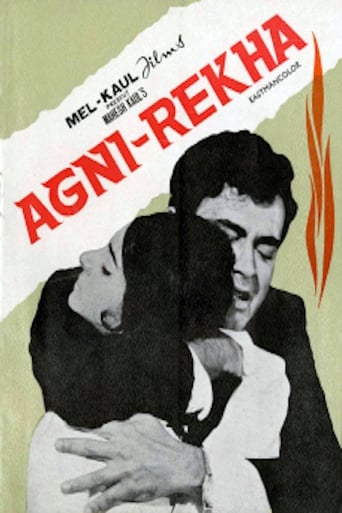
Suresh's (Sanjeev Kumar) wife dies due to some illness leaving behind her mother (Durga Khote) and two children, Chunnu and Munni. Time passed kids grow older. Durga Khote wants Suresh to get married again but Suresh hesitates. Khote's Brother wants his daughter (Bindu) to marry Suresh as he has lot of wealth. But Suresh does not like her. Meanwhile, Munni and Chuunu's teacher goes on month tour leaving behind temporary teacher Nirmala (Sharda).

1973

WWE Old School

WWE Old School 1973

1

Discover rarely-seen matches from the 1970s, '80s, and '90s featuring countless WWE Hall of Famers such as Hulk Hogan and Ric Flair.

1973

O Bem-Amado

O Bem-Amado 1973

9.10

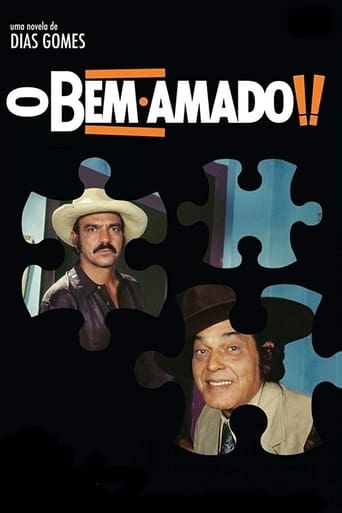
O Bem-Amado is a Brazilian telenovela that first aired on Rede Globo in 1973. It is based on a play by Dias Gomes called Odorico, o Bem-Amado ou Os Mistérios do Amor e da Morte, written in 1962. It was the first Brazilian color telenovela. It was shot in Rio de Janeiro. Broadcast by Rede Globo between January 22 and October 3, 1973.

1973

Rock Concert

Rock Concert 1973

8.00

Don Kirshner's Rock Concert is an American television music variety show that ran during the 1970s and early 1980s, created and produced by Don Kirshner and syndicated to television stations. It premiered on September 27, 1973, with a performance by The Rolling Stones; its last episode was in 1981.

1973

The Dean Martin Celebrity Roasts

The Dean Martin Celebrity Roasts 1973

5.40

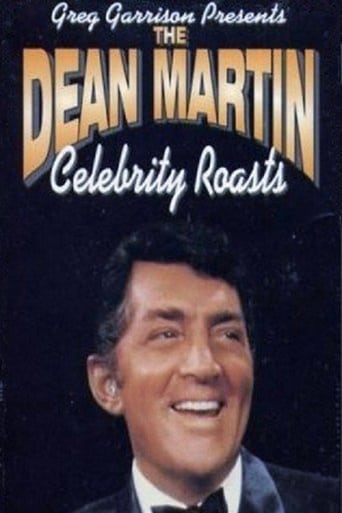
The Dean Martin Celebrity Roasts is a NBC television special show hosted by entertainer Dean Martin from 1974 to 1984. For a series of 54 specials and shows, Martin would periodically "roast" a celebrity. These roasts were patterned after the roasts held at the New York Friars' Club in New York City. The format would have the celebrity guest seated at a banquet table, and one by one the guest of honor was affectionately chided or insulted about his career by his fellow celebrity friends. In 1973, The Dean Martin Show was declining in popularity. The final season of his variety show would be retooled into one of celebrity roasts, requiring less of Martin's involvement. For the 1973–1974 season, a new feature called “Man of the Week Celebrity Roast" was added to try to pick up the ratings. The roasts seemed to be popular among television audiences and are often marketed in post-issues as part of the official Dean Martin Celebrity Roasts and not The Dean Martin Show. After The Dean Martin Show was cancelled in 1974, NBC drew up a contract with Martin to do several specials and do more roast specials. Starting with Bob Hope in 1974, the roast was taped in California and turned out to be a hit, leading to many other roasts to follow.

1973

Samurai Giants

Samurai Giants 1973

2.00

A wild and overzealous baseball player is scouted and trained by the Yomiuri Giants as their new star pitcher.

1973

Casshan

Casshan 1973

6.67

Dr. Azuma creates robots to benefit mankind, but they unexpectedly rebel and begin to destroy everything in their paths. To deal with the catastrophe, Dr. Azuma's son volunteers to become a human robot, even though he knows he will never be able to return to human form again. He confronts this grave situation to ensure a bright future for all humans.

1973

The Water Margin

The Water Margin 1973

7.60

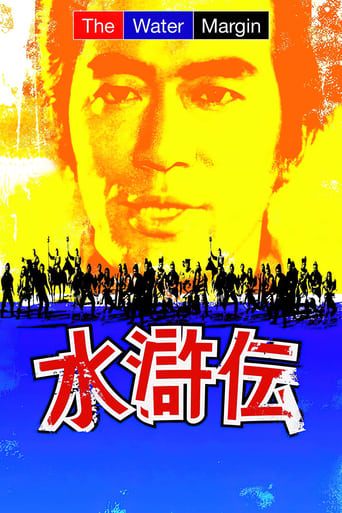
The Water Margin is a Japanese television series based on Water Margin, one of the Four Great Classical Novels of Chinese literature. The novel details the trials and tribulations of 108 outlaws during the Song Dynasty. This adaptation follows Lin Chung and his clashes with the local government official Kao Chiu. The Water Margin is famous for its, sometimes obscure, but memorable philosophical quotes, such as "Do not despise the snake for having no horns,for who is to say it will not become a dragon?""

1973

The American Film Institute Salute to ...
The American Film Institute Salute to ... 1973

6.30

In 1973 the American Film Institute initiated its Life Achievement Award, to be presented to a yearly recipient whose talent has fundamentally advanced the film art; whose accomplishments have been acknowledged by scholars, critics, professional peers and the general public; and whose work has stood the test of time.

1973

The Tomorrow People

The Tomorrow People 1973

6.60

Born to human parents, an apparently normal child might at some point between childhood and late adolescence experience a process called 'breaking out' and develop special paranormal abilities. These abilities include psychic powers such as telepathy, telekinesis, and teleportation. However, their psychological make-up prevents them from intentionally killing others.

1973

The Magician

The Magician 1973

6.70

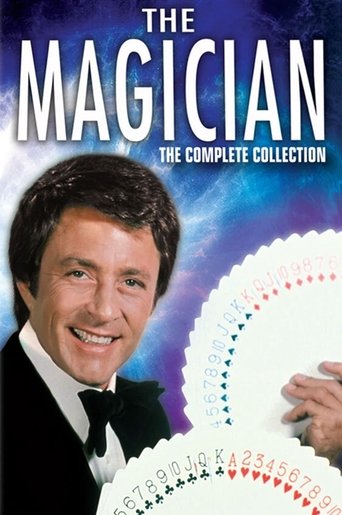
The Magician is an American television series that ran during the 1973–1974 season. It starred Bill Bixby as stage illusionist Anthony "Tony" Blake, a playboy philanthropist who used his skills to solve difficult crimes as needed. In the series pilot, the character was instead named Anthony Dorian. The name change was due to a conflict with the name of a real life stage magician.

1973

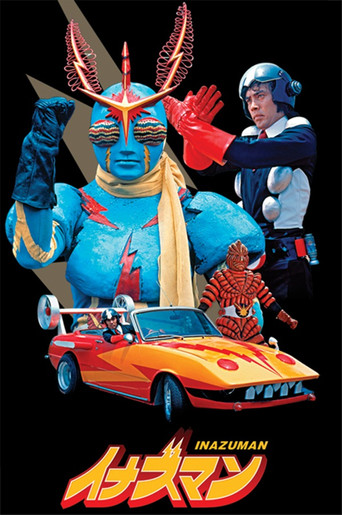
Inazuman

Inazuman 1973

9.30

Ban Daisuke of Kikaida fame takes the lead role in this classic series pitting a college student against the hostile forces of the Neo-Human Empire. Unique among live action tokusatsu shows, this innovative series features the extraordinary double henshin transformation, the Raijingo supercar, and psionic (psychic) abilities. Watari Goro (Ban) clashes with Emperor Bamba's grotesque corps of mutant monsters, and exclaims, "Summon Supreme Power” (Choriki Shorai!) to initiate his final transformation into Inazuman.

1973

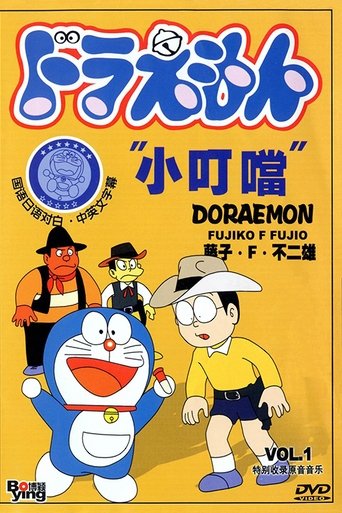
Doraemon

Doraemon 1973

6.39

Nobita Nobi is so hapless that his 22nd century decendants are still impoverished as a result of his 20th century bumbling. In a bid to raise their social status, their servant, a robotic cat named Doraemon, decides to travel back in time and guide Nobita on the proper path to fortune. Unfortunately Doraemon, a dysfunctional robot that the familly acquired by accident (but chose to keep nonetheless), isn't much better off than Nobita. The robot leads Nobita on many adventures, and while Nobita's life certainly is more exciting with the robot cat from the future, it is questionable if it is in fact better in the way that Doraemon planned.

1973

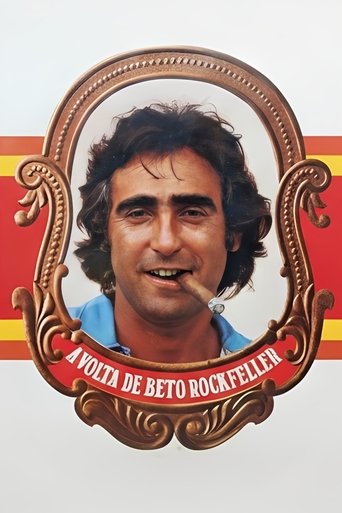
The Return Of The Rockefeller

The Return Of The Rockefeller 1973

8.00

The big shot Albert returns after three years, reuniting with his family — his parents and his sister. And he gets in touch with some acquaintances, such as his old friend Vitório and a decadent high society woman. And once again Albert, the Rockefeller gets involved with millionaires and opportunists.

1973

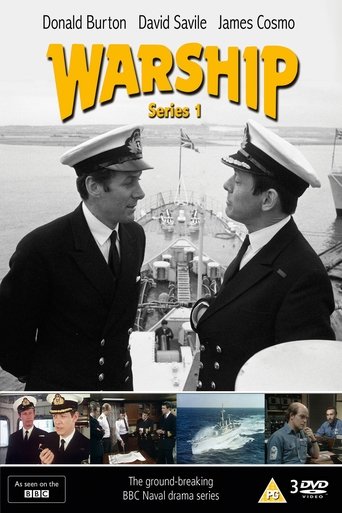
Warship

Warship 1973

5.50

Written and filmed to reflect the reality of life in the Royal Navy and the Royal Marines in the 1970s, most stories focus on the Captain and his fellow officers, with subplots dealing with life on the lower decks. Episodes typically featured a variety of events at sea (the Cold War, smuggling, the evacuation of civilians from crisis-hit places, etc.), as well as the personal lives of officers and ratings and the impact their personal lives had on their professional lives and duties.

1973

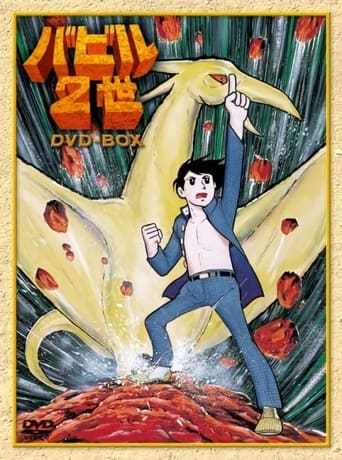
Babel II

Babel II 1973

6.33

Koichi is the Japanese middle-school descendant of a race of extraterrestrials who crash-landed on the Earth 5000 years ago. He has psychokinetic powers which uses to fight the evil Yomi who wants to gain dominance over the world.

1973