
Borderline 1 & 2 1981
1981 animation asks Question 1: Is there equality in similar jobs for men and women? Question 2: What do the women see behind the fence, that sets them off laughing?
1981 animation asks Question 1: Is there equality in similar jobs for men and women? Question 2: What do the women see behind the fence, that sets them off laughing?

The first documentary directed by Maria del Carmen de Lara, together with feminist producer, scriptwriter and director Maria Eugenia Tamés. A direct cinema experience, based on research on the harsh reality of sex workers in Mexico at the time. Testimonies from several women, who have different life paths, but share the violence to which they’re exposed: precariousness, prison, mistreatment, discrimination and dehumanisation.

Mexican feature film

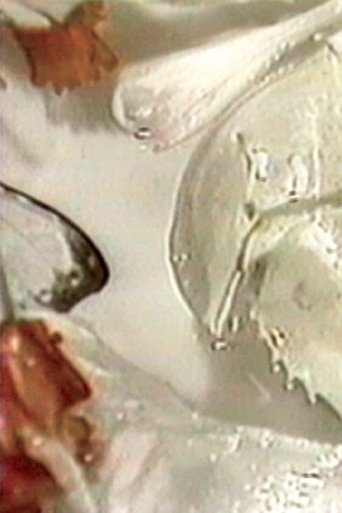
Symptomatic Syntax is a recreation of an ecological environment in which natural forms — leaves, flower petals, butterfly wings — form an ever-changing, visually compelling series of compositions. Juxtaposed with these organic forms is a series of texts that examine time, logic, and the dichotomy between the mental and the physical. This complex fusion of the sensual and the cerebral questions the understanding of time and natural progression.
The work 'Labyrinth' opens with grainy and aged sepia tone images of the artist textured with film scratches. These images are set to the sound of an old film projector evoking a nostalgic and retro feel, as if the artist is evoking memories of herself. In the opening scenes we are introduced to a still shots of the artist performing different facial expressions. America plays with the notion of capturing differing moments in time. This is done in a stop-frame mode, where single frames of her expressions are placed one after the other creating a rickety and shaky feel to the movement of the imagery. As the work progresses, America multiplies the single frame in a grid across the screen.
In the work, we are immediately introduced to the face of the artist looking directly into the camera, confronting the viewer, openly, unwavering and clear. Throughout this work America performs slight variations in head and facial movement to a repetitive and absurd soundtrack. The face is presented as a blank yet mechanically expressive canvas and the expression in her eyes is non-directional and unemotive. This isolation and exaggeration of the different parts of her face gives the viewer the impression that what we see is an object rather than a person or individual. The visual composition is supported by a repetitive percussion beat with Jazz overtones and synthesizer sounds.
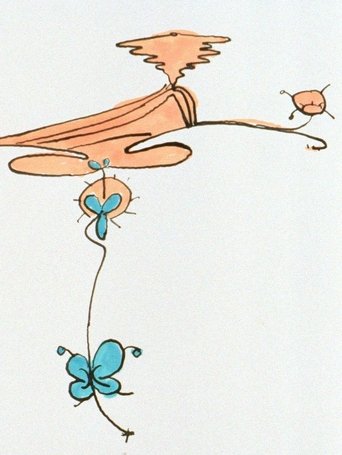
This short animation film, which is part of the series Musikalische Arabesken (Musical Arabesks), is a colorful and expressionistic interpretation of Antonin Dvorák’s Humoresque played in a modern version by the Jo Kurzweg Orchestra.
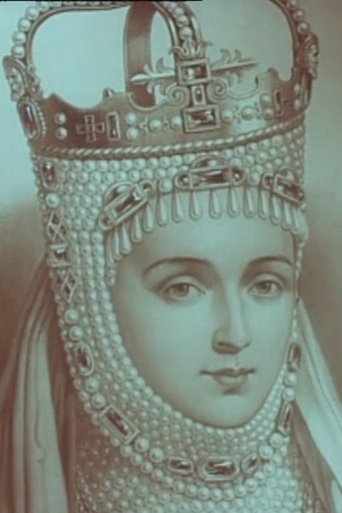
A story about a version that Madonna of the Gate of Dawn is an artistic expression of the drama that Barbora Radvilaitė experienced.
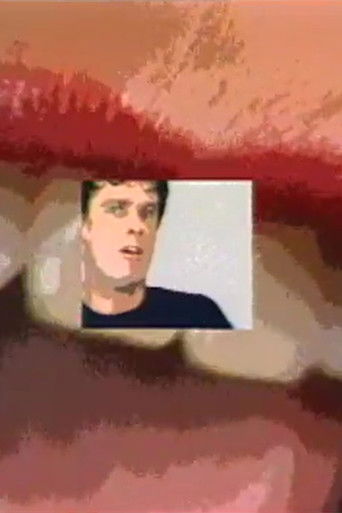
A video by Max Almy

The film’s frame is a collage of horizontally trisected frames in which three views can be seen. Each of these three sections of the image shows a separately recorded one-second-long camera pan shot in the artist’s studio. The camera pans were filmed with a 16 mm film camera equipped with three different types of lenses (wide-angle, normal and telephoto). The resulting footage was divided horizontally into three strips and rearranged into new collaged compositions, each lasting 32 seconds, which were mechanically printed together into a single 35mm film.
Film by Ana Mendieta, 1981
Film by Ana Mendieta, 1981
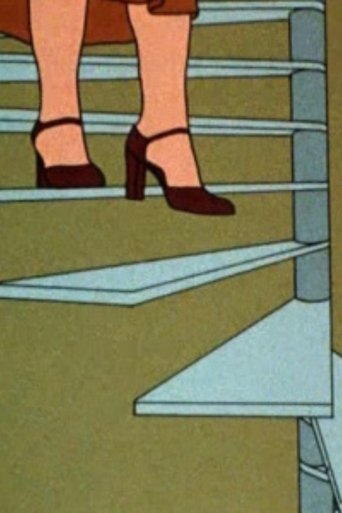
A woman walks down a staircase of which the steps gradually become adrift, and change into triangular forms. Spatial and geometric illusions are created by the unusual camerawork and choreography.

Into my hands fell a 20-minute exhortation to find the right job after high school. Struck by its fierce redundancy, I undertook a distillation, editing the optical track, aiming for conversational cadence, choosing image only when silent. Preserved by the Academy Film Archive in 2013.
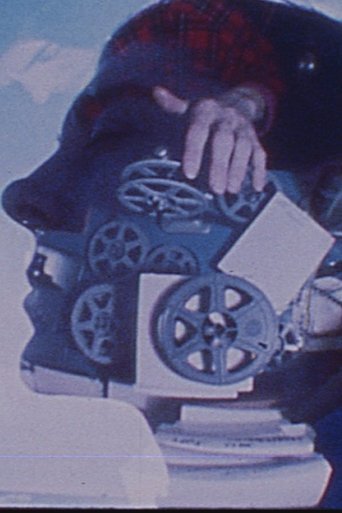
A house of trick cards, the woman as house. "A marvelous smorgasbord of images." – Edgar Daniels "Architectural structures become the structures of relationships, establishing the windows of communication (between parents and children, between lovers) while preserving a sense of enclosure, isolation." – Dave Kehr


Plexi Radar is the act of filming a gyrating motion of a circular plexiglas sculpture, which is then looped by a computer. The image of the sculpture alternately divide in between some hypnotic shots in which subconscious impose the illusion of a constant change of frame.
Portrait of a young woman through her relationship to money. The director films her friend for a whole month. The dynamic of the film is based on the bond between the director and Patricia, and on the reactions of this young woman to the financial difficulties, real or imaginary that she meets.

