
Sports Profile 1981
Produced by Carol Munday Lawrence as part of the seven-part "Were You There" series
Produced by Carol Munday Lawrence as part of the seven-part "Were You There" series

Blekbala explores the lives and aspirations of Aboriginal people living in the Northern Territory - on small outstations, remote desert locations and in regional town - from Arnhem Land to Central Australia. It looks at a selection of Aboriginal-run businesses and enterprises: cattle stations; children’s education; community projects; sports and music.

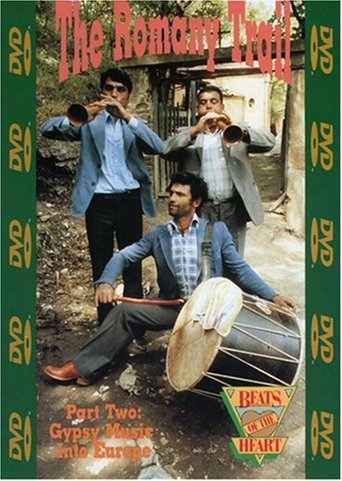
The Romany Trail Part Two is a penetrating, provocative tour of a fabled people’s existence. It reveals the prejudice they still face daily and which they combat with the lyrics and music they have carried and adapted on their long migrations. Featuring: The music of Django Reinhardt, the ballads of the Holocaust, Hungarian folk musicians and professional restaurant bands, pipers and the greatest names in Gypsy entertainment.

The film is a superimposition of 6 to 8 takes. In each take, a horizontal piece of white paper was moved around in front of the camera by hand.


1981 Czech experimental short by Petr Skala
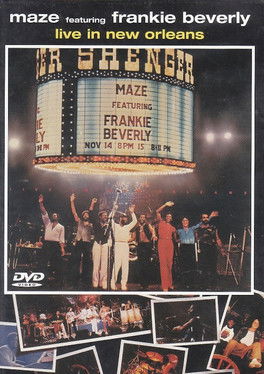
Frankie Beverly takes seminal soul band Maze through its paces in this compilation culled from 12 shows the group performed at New Orleans's famous Saenger Theatre. The guys have the folks from the Big Easy on their feet as they funk their way through classics like "Back in Stride," "We Are One," "Never Let You Down," "Joy and Pain," "Happy Feelin's," "Southern Girl" and more.
How the boy Vasya and the owl Dusya went to look for the missing sun.
Animation short.
A short mockumentary by art collective Die Tödliche Doris.
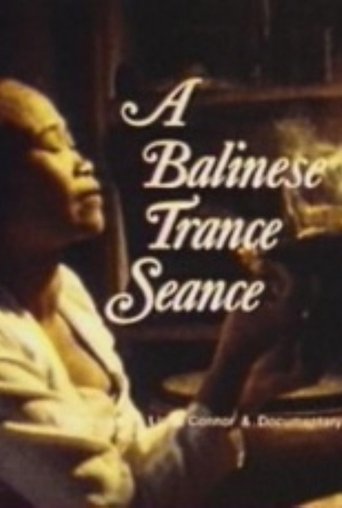
In 1981, anthropologist Linda Connor and filmmakers Tim and Patsy Asch returned to Bali with video cassette recordings of A Balinese Trance Seance. The resulting film presents some of her reactions to Connor as she watched and listened to herself for the first time. Jero had a unique opportunity to spontaneously and consciously react to and reflect upon the experience of possession. Her comments provide insight into how she feels while possessed, her understanding of sorcery, and her humility in the presence of the supernatural world. More mundane thoughts are revealed as well, for example the importance of the fine appearance of her house. Jero On Jero could most fruitfully be used as a companion to A Balinese Trance Seance, which would be shown first and followed by a discussion, before screening Jero Tapakan's own response.
While withdrawing all of his money from the bank to pay for a life saving operation for his Mother, Roy Canteen is attacked and robbed. Taking the law into his own hands Canteen thinks of many different violent ways to take his revenge. After spotting the assailant he proceeds to play out his fantasy.
This time the confrontation Teresa Tyszkiewicz with the matter proceeds in a close analysis, although the artist's strategy is still based on the spontaneous expression of subjective experiences and impressions. Tyszkiewicz creates situations in which surrender may conduct on their premises all kinds of "tests" in order to locate their conceptual center and create the archetypal image. Starts at the numerous references and meanings, which includes formal, visual and semantic game. The artist uses the most mundane matter, and its original power of symbolic interaction, to create aesthetically refined images with his characteristic abstract beauty. Among those addressed in the film political themes (presentation of the issue of the weekly "Solidarity"), and the fight that at the end she goes with a heavy, linen sackcloth. The film ends with colored feminist scene serfdom after a failed attempt to revolutionize the fossilized perception of gender and female sexuality.
The film is a reflection on the cultural and psychological space attributed to women in the collective consciousness, and above all in contemporary iconosphere. The artist creates characters and situations arranged in a complex in meaning and visual variation on the theme of erotic symbols and incarnations and sexual stereotypes, revealing thus their influence on essentialist vision of women in modern life and visual culture.
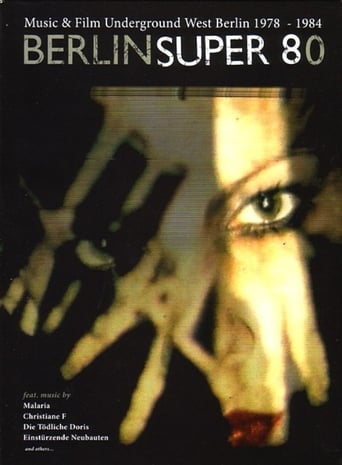
1981 German super 8 short work
Official entry to the first Metro Manila Film Festival in 1981 directed by Eddie Rodriguez and starred Charito Solis, Dindo Fernando, Elizabeth Oropesa, Chanda Romero, and Gina Alajar.
Warner Home Video
Norwegian Documentary History Series about the nazi era in Norway.
