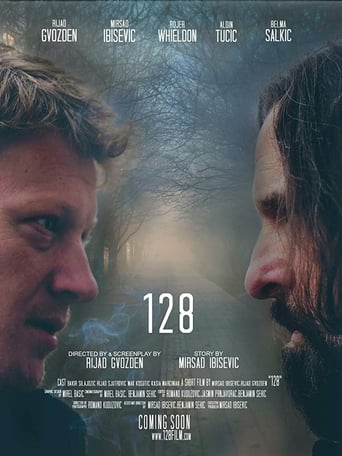
128 2018
Short film, post-war drama.
Short film, post-war drama.

A boy and a girl meet in club's toilet. High on drugs, they walk the streets of Sarajevo aimlessly. They end up in an apartment, fooling around, making out, until this careless atmosphere is interrupted by someone else's presence.

In Zenica, a giant steel factory belches toxic gasses into the air day and night, making the city one of the world’s most polluted, and people are dying. Samir Lemes and citizen activists from Eko Forum fight an uneven fight for change against the reckless corporation, the local politicians who focus on jobs, investments, and re-elections, and the EU who co-funds the corporation without enforcing laws and international standards. Instead, they name Zenica ‘A Green City Project’, building bicycle lanes in a city where breathing is a health hazard. A film about financial cynicism, political pragmatisk and greenwashing, in which West European countries play a surprisingly big role.

The seemingly idyllic region of Ravnice, at the north-western tip of Bosnia and on the EU's external border with Croatia, hides a dangerous past with uncleared war mines. Migrants seeking a better life, are often pushed back across the border from the EU into the surrounding woods, finding themselves lost in the village. Local villagers open the old school building to offer them unofficial, temporary shelter and safety. Despite this ongoing crisis, everyday life continues in Ravnice, marked by daily routines.

A ball spins around, stuck in the river that goes through the Grbavica neighborhood in Sarajevo.

The main role in this documentary film belongs to Sarajevo, not just as a city but as a metaphor for our times, when we are learning to live together, side by side, respectful of all our differences.

A documentary film shot in the occasion of the third anniversary of Bosnian Army.

Kosevo July 19 is a DVD by Dino Merlin. It was released in January 2009. It has been recorded on July 19, on his concert in Sarajevo on stadium Kosevo, promoting his tenth studio album Ispočetka.
This is a film that shows portraits of three children who lived in Sarajevo during the siege. Through their stories the film tries to give a picture of youngsters who live in the war for three and a half years and their efforts to overcome the trauma. The stories are seemingly separate, but the thread that connects them is a three-year-old boy who on his tricycle constantly wanders the streets of Sarajevo, passing everywhere and always seeing everything. He takes us from one child to another, opening up before us a picture of the bizarre life of children in Sarajevo.
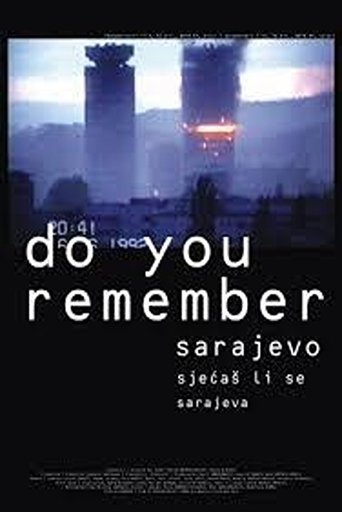
When Bosnian-Serb forces began shelling Sarajevo in 1992, an officer of the Bosnian-Herzegovinian army made an appeal to all inhabitants of the city with video cameras to "start filming, because their material would definitely influence events." Whether prompted by this call or not, many of those who possessed a camera attempted to capture the atmosphere of the besieged city, resulting in this extraordinary film. At once engaging, horrifying and funny, these "home movies" provide a stark testimony of the courageous spirit of a people under siege, trying to live "normal" lives against all odds.

At the end of June 2022, the football club Velež celebrates 100 years of existence. Velež is a club that during its existence went through numerous ups and downs, from the banning of the club, through the golden 70s and 80s of 1900s, to the abyss again during the Yugoslavian War.
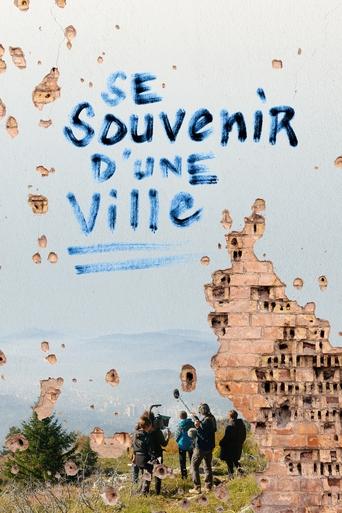
Following Bosnia and Herzegovina’s declaration of independence in April 1992, Bosnian Serb troops besieged and bombed Sarajevo. Over a period of four years, five young filmmakers documented the bombardments and daily life during the siege—for some, the aim was simply to report the news; for others, it was a way of dealing with their fears.

On 8 September 2019 Sarajevo hosted its first Pride March, and this film covers its background.
A cellar-dwelling woman talks about her life to a camera during the devastating war in Bosnia.

Short documentary about pop rock music scene of Sarajevo, starting from 1960.
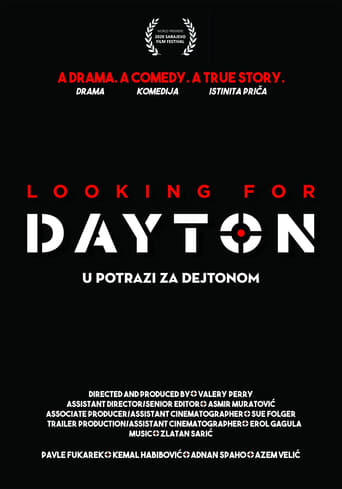
This film follows 3 friends who were in Sarajevo during the war as they go to the US for the 20th anniversary of the Dayton Agreement, where they ask questions and consider the impact of the agreement 25 years later, having fun on the way.
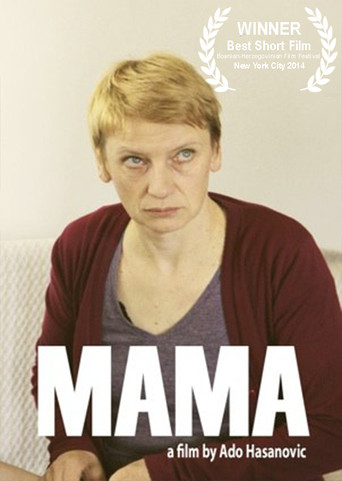
A Bosnian woman is released from prison after 13 years. She comes back home, where she finds her young son and his pregnant girlfriend. With luggage and flight tickets in their hands, they are up to travel to start a new life.

The author of the film about the “coach of all coaches” and the celebrated coach of the ‘Vatreni’, who won bronze with Croatia at the World Cup in France in 1998, is Bosnian-Herzegovinian sports commentator Sabahudin Topalbećirević. Those who feature in the film include former players Davor Šuker, Robert Jarni and Aljoša Asanović, but also Bosnian-Herzegovinian national team players Edin Džeko and Miralem Pjanić, as well as many others. The film begins with a look back at Ćiro’s childhood, reminiscing about the difficult days of growing up in Travnik during World War II, and some sad and tragic moments in his life, and then experiences a twist by highlighting his famous playing and coaching days on football fields in Switzerland, former Yugoslavia, Croatia and Bosnia and Herzegovina.

Jaksa is a student. He spends the summer in his hometown – with friends and with Sonja. But now the summer is over, his mother voices ideas about his future, and Sonja will leave soon. The end of summer forces Jaksa to realize, to decide, and to say goodbye.
