
Anahtar kelime Instructional


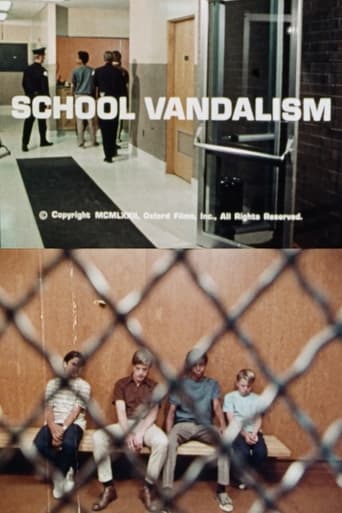
School Vandalism 1972

What's In a Number 1948
The Day of Rest 1939
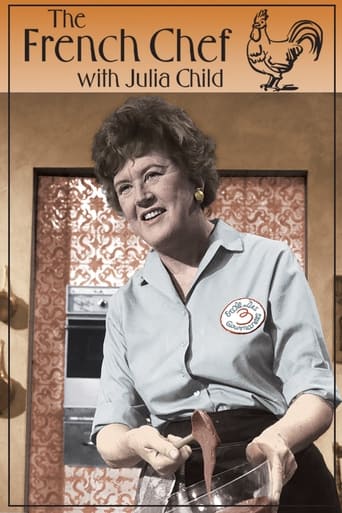
The French Chef 1963
One of the first cooking shows on American television, created and hosted by Julia Child on public television to introduce the French way of cooking. It emphasized fresh ingredients, many of which were unfamiliar to Americans. Based on the books she co-authored, entitled Mastering the Art of French Cooking.
Make Your Mark 2014
This do-it-yourself series features the creative talents and enthusiastic personality of the top-selling craft book author Mark Montano. The trend-setting former fashion designer and his guest experts create affordable, accessible and customizable projects for the whole family. Each episode allows Mark to explore a fun theme — from Halloween and Downton Abbey to Fashion Week.
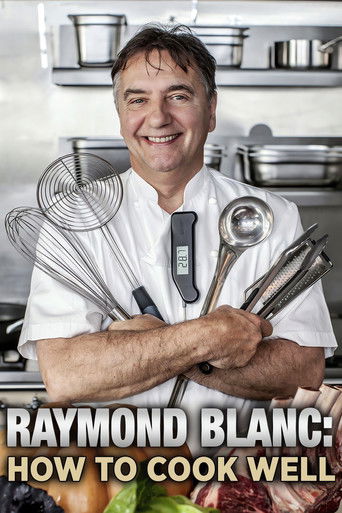
Raymond Blanc: How to Cook Well 2013
Raymond Blanc believes becoming a good cook is all about mastering the basic techniques. Raymond taught himself to be a Michelin star chef. But first, he had to understand what happens to food when you cook it different ways. Once you know what is happening when you roast, fry, poach etc then you can cook anything. After forty years of trial and error, Raymond wants to share what he has learnt. Each week he takes a different technique and shows five delicious dishes using that technique. The recipes range from simple to ambitious and Raymond delivers it all in his easy, warm, inimitable way.
Trade-Offs 1978
Trade-offs was an AIT program designed to improve economics instruction in the United States and Canadian schools. The series of fifteen lessons, for children from 9-13, helped students think their way through economic problems and increased their understanding of economics. On a broader scale, it helped them become more effective decision makers and ultimately more responsible citizens. Each lesson consists of a 20-minute color television/film program plus teacher's guide material to facilitate classroom follow-up. Each program begins with a short segment that identifies key points that students and teachers should watch for. This is followed by the dramatization of a fundamental economic problem relevant to the daily life of the student. Special visuals emphasize the economic principles and reasoning processes involved. The last portion of the program introduces, but does not resolve, another problem, and ends by posing a question to the viewers.
