
Tea for Two 1971
The objective is to show myself visiting myself, and then showing the frustration of loneliness, by trying to be with myself. –Al Wong
The objective is to show myself visiting myself, and then showing the frustration of loneliness, by trying to be with myself. –Al Wong
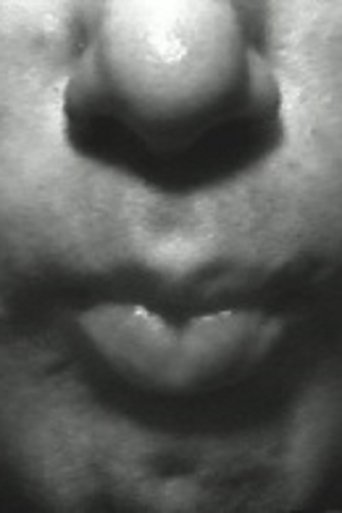
Using extreme close-ups and amplified sound to force the viewer into the space of his body, he experiments with his mouth as a container for saliva, holding it in as long as possible, trying to catch it in his hands.

Operating on the frontier between art and architecture, Graham Stevens builds inflatable forms and environments that create a dialog between poetry and hyper-technology. Engaged in a critical approach to architecture and opposed to its “rootedness,” Stevens advocates an art of air and movement.

A strange street singer and a poor girl's love story...

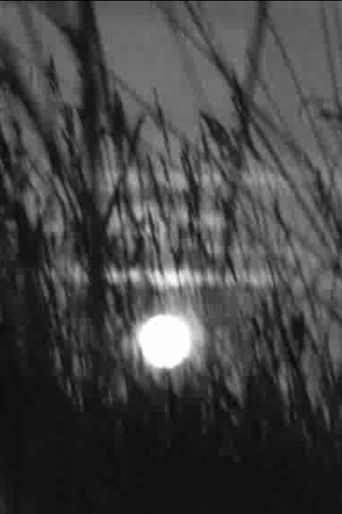
‘Games of waves, of light and of the camera. The vertical becomes horizontal, the ground rises to the sky as the sky comes to replace it, the sun covers itself with water while the water launches an attack on the sun.’ C. Brunel
Sequel to "The Birth of Electronic Music: Part I" (1971) The 2nd installment covers the slightly more modern era.
This installment covers "electronic" music from 400 BC to 1950, including analog techniques such as the "soundhouses" of the 17th century to the glass harmonica, before finally moving along to early electronic instruments such as the Dynamophone and the Ondes Martenot.
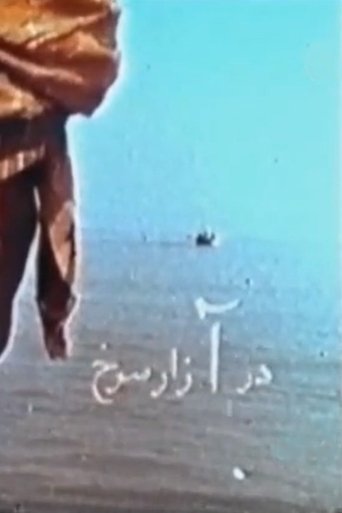
Summer of '70 on the Adriatic: fun at the beach, a beauty contest, water skiing, holiday hedonism. A postcard of endless indifference when growing up in Yugoslavia.
Experimental film responding to the controversial Industrial Relations Bill of 1971.
Koo In-Gap who became a millionaire by investing on real state is a primary target for his two executive directors Park and Song's sincere fawning. In-Gap tries to please his new mistress in the bed, but he isn't strong enough. All kinds of massaging and herb medicine are supplied for his improvement of strength, and finally he becomes very strong by having some variously mixed food. But exerting himself too much for his mistress's pleasure he dies.

A woman who was hitchhiking ends up in the hospital after being raped. She relives the incident in nightmarish slow-motion, questioning her choices.

An animated film about one man's attempt to bring about changes in his community through participation with fellow citizens and the local government. A discussion-starter with a dual ending, for groups exploring methods of bringing about change.
Mohamed Aboulouakar’s diploma film from VGIK in Moscow, based on the short story by Ernest Hemingway.
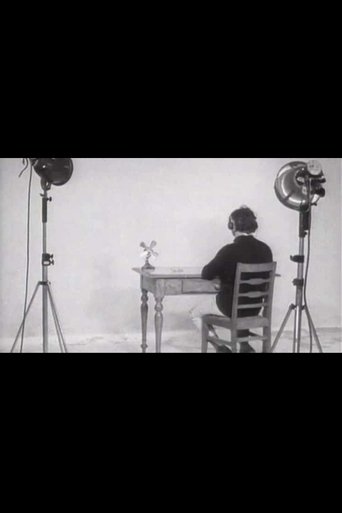
Ten works commissioned by the Scottish Arts Council were broadcast, unannounced, by Scottish TV in August/September 1971. Later, seven were compiled as TV Interruptions (7 TV Pieces).

Footage of American bombing of Vietnam.
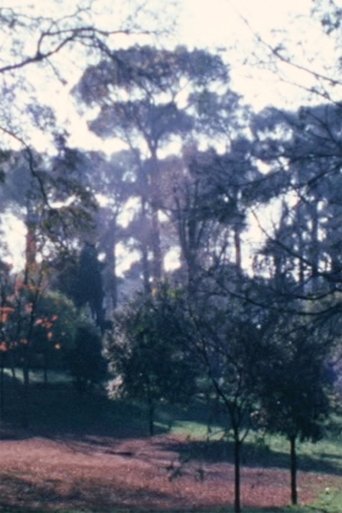
Werner von Mutzenbecher created Rom 70/71 with an Agfa Microflex super-8 camera, during a residency at the Istituto Svizzero (Swiss Institute) in Rome, from autumn 1970 to spring 1971. As he wanders the city streets in the afternoons, the artist captures, without any preconceived intentions, urbans details, or micro-events that draw his attention. Mutzenbecher describes Rom 70/71 as "reflex cinema" and develops a spontaneous form of filmed diary about a location, in this case a city, without focusing on human presence.

