
The Blow Job 1977
An animated short about the titular event.
An animated short about the titular event.
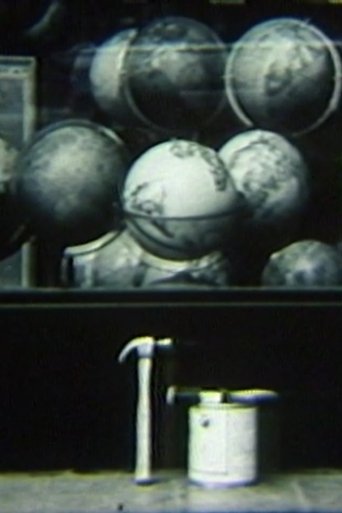
Cultural and perceptual contrasts are evoked in this non-linear mythic episode in which a hammer, a paintbrush, a bucket, a pile of clothes, a window full of globes and a couple are manipulated via the filmmaker/demi-urge.


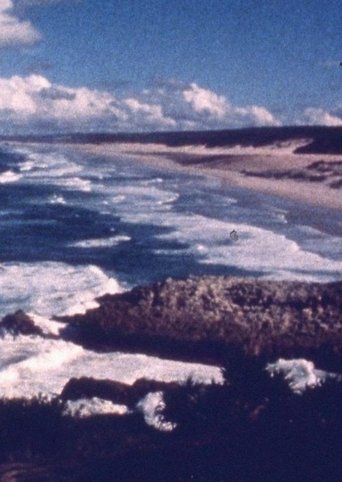
16mm, colour reversal print
Eclamorphoses balances a loop of sound (by La Monte Young) with loops of visual material derived from re-photographed slides of amorphous painted abstractions which are carefully and systematically permuted by super-impositions, scratches, punctures, slices, reticulated paint-on-the-film-strip, step-printing, changes of projector speed, and finally zooming of the image with the projector lens and live manipulation of the projector and light beam (with a hand-held prism).
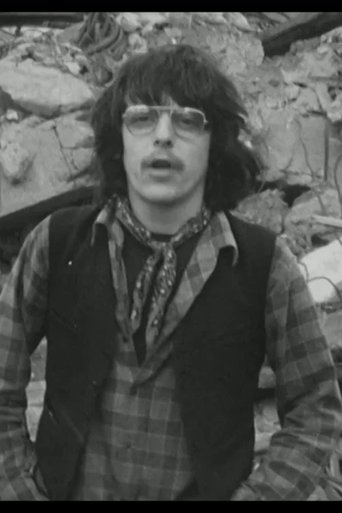
On est tout seul dans son cercueil is a fake satirical documentary in which Philippe Simon expresses his deep disgust for the film production system, mercantile and inept.

A short which teaches kids about race.

The tragedy of an African Princess who turned her back on love which money buys.
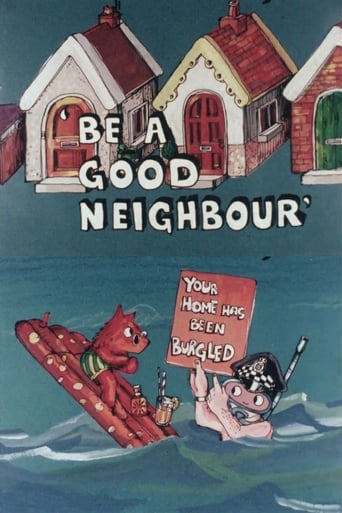
A dog on holiday is shocked to discover his kennel has been burgled. He learns about the ways in which he can protect his home through the Good Neighbours Scheme.
Luciano Emmer reconstructs the dawn of Italian TV advertising, in two parts: "Gli anni ruggenti" (The Roaring Years) and "Ma chi l'ha ucciso?" (Who Killed Him?).

Anamorphoses of television images combined with fragments from Jerome Bosch’s Garden of Delights painting.
14 year old Freddy fails at livening the party with wine.
In this experimental video project, originally broadcast on the ZDF television art program "Aspekte," artist Richard Kriesche appears on a TV monitor and delivers an artist statement about the invisible wall between artist and spectator in the televisual medium. Kriesche then paints over a glass canvas, the very invisible wall, between himself and the camera, just as he reappears in front of the TV monitor and delivers the same artist statement. After this, Kriesche paints over the glass of the TV monitor with blue paint, acting as a chrome key effect that slowly uncovers the original image of Kriesche on the monitor, now seeming to drip as the blue paint spills over and Kriesche delivers his statement a third and final time.
The films of Jorge O Mourão, a collection of autobiographical performance pieces, constitute visceral reactions to the authoritarian regime in Brazil and channel the paranoia and claustrophobia of his generation through the disjunction of sound and image.

