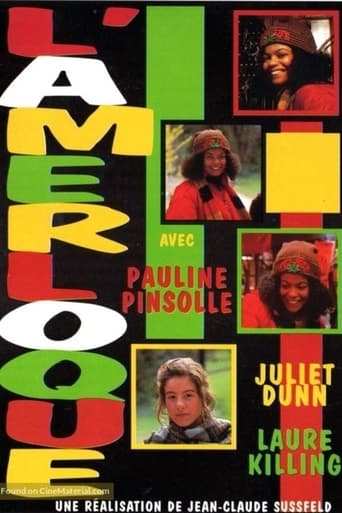
L'amerloque 1996
A young black American is hired as an au pair to look after a sulky French teenager.
A young black American is hired as an au pair to look after a sulky French teenager.

Mina was adopted from Ethiopia by Judith and Lionel, a married couple who already were the parents of a biological daughter. Though she was abandoned by her mother as a baby, it didn't really seem to have much of an impact on her. But when Mina turns thirteen, an identity crisis takes a hold of the girl. She is caught between two worlds - and feels nowhere at home. Mina snaps and descends into a destructive downwards spiral. Jealous of her non-adopted sister, she starts acting out, pitting her father and mother against each other and thereby dividing the entire family. Judith and Lionel don't know what to do. Will their parental love and kindness be enough to heal Mina's wounds?

In a mysterious space, bodies of dancers work on the rhythms cultivated by the orchestras of Buenos Aires.
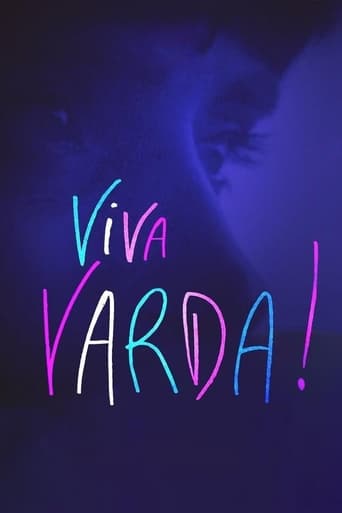
A pioneering post-war female film director, an instigator of the New Wave who was honored by Hollywood in her own lifetime, Agnès Varda has become a source of inspiration for a whole new generation of young filmmakers. With movies like Cléo de 5 à 7, Le Bonheur, Sans toit ni loi, Les Glaneurs et la glaneuse, she created a quirky, open to the world, sensitive to the disenfranchised, often silly body of work. Always one finger on the pulse, she shook everything up, including cinema itself which she refused to constrict to pure fiction or long-form films.
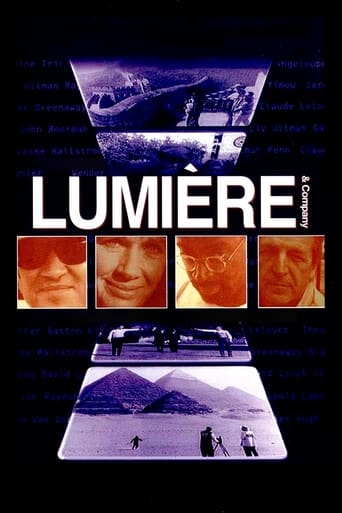
40 international directors were asked to make a short film using the original Cinematographe invented by the Lumière Brothers, working under conditions similar to those of 1895. There were three rules: (1) The film could be no longer than 52 seconds, (2) no synchronized sound was permitted, and (3) no more than three takes.
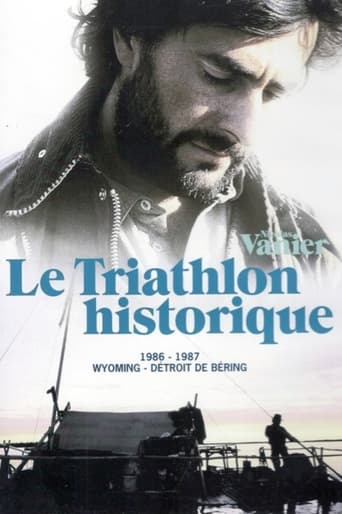
Brigitte and Eric, who work for the same company, have been married for eight years. One morning like any other, the couple arrives at the office. When lunchtime comes, sirens sound. Brigitte learns that a man has just committed suicide by jumping out of a window. It's Eric, her husband...
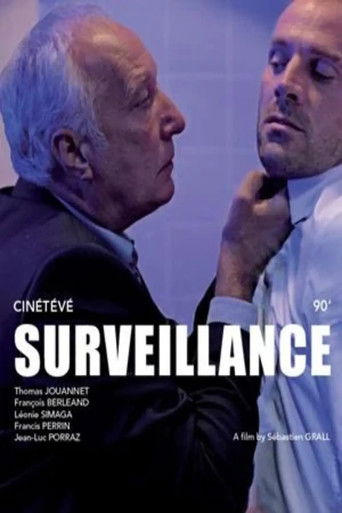
Hired to oversee the security of a superstore, Pierre soon discovers a dark secret and becomes a threat to the system he helped create.

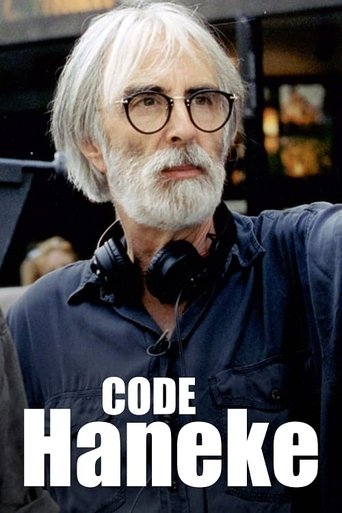
Features interviews with two-time Palme d'Or winner Michael Haneke and his key collaborators, alongside excerpts from his films.
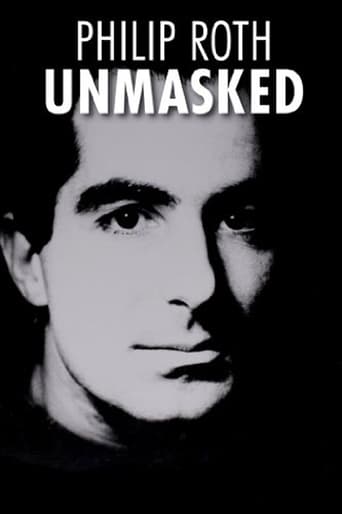
Philip Roth, arguably America’s greatest living novelist, turns 80 on March 19. In 1959, his collection of short stories, Goodbye, Columbus, put him on the map, and 10 years later his hilarious, ribald best-seller, Portnoy’s Complaint, gave rise to the first of many Roth-related controversies in which Judaism, sex, the role of women, and the parent-child relationship would take center stage. In candid interviews, the Pulitzer Prize-winner discusses his distinctly unliterary upbringing in Newark, NJ, his admiration for Saul Bellow and Bernard Malamud, and how Zuckerman may or may not be his alter-ego. Nathan Englander, Mia Farrow, Jonathan Franzen, and Martin Garbus are among those who talk about the man and his writing. Franzen in particular praises Roth for “how brave he must have been to have methodically offended everybody and to have exposed parts of himself no one had ever exposed before.”
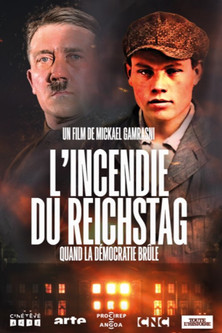
Berlin, February 27, 1933. The Reichstag is in flames. A young Dutch unemployed man, Marinus van der Lubbe, was found alone in the building. For Hitler, it was a plot by the "Reds". One hundred thousand communists and sympathizers were arrested during the night and in the days that followed and locked up in the first Nazi concentration camps. In March, the Chancellor obtained full powers. On September 21, the trial opened in Leipzig, broadcast on the radio. For the Nazis and the Communists alike, van der Lubbe was the perfect scapegoat. On December 23, 1933, he was sentenced to death, while his four co-defendants were acquitted.
A old red riding hood, badly crippled after killing a monster many years ago, comes up with a sinister plan to dance again.
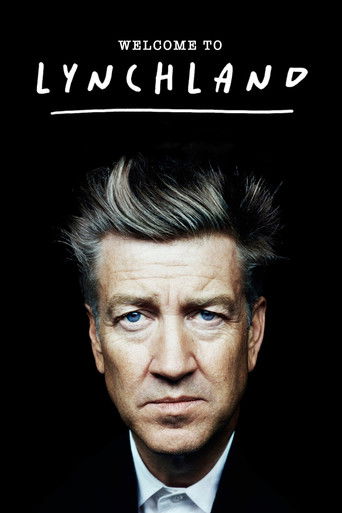
Creator of absolute freedom, David Lynch constructed his work as an enigma to be deciphered between dream and reality. A cult director from his first films ("Eraserhead", "Elephant Man", "Blue Velvet"), Lynch forever changed the world of television with his series "Twin Peaks", before tackling the lies of Hollywood in "Mulholland Drive". Tracing the life of the most influential filmmaker of his generation, this documentary explores the hidden meaning of a relentlessly consistent filmography and delves beneath the dark, teeming surface of the American Dream.
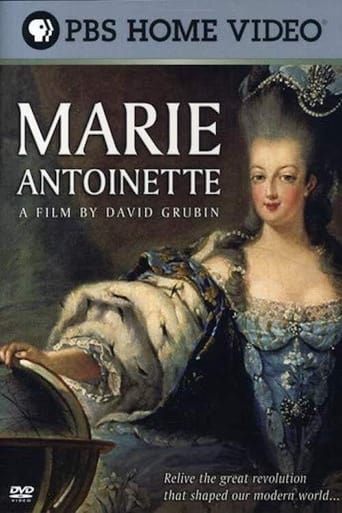
This was a very human account of the lives and deaths of Marie Antoinette and Louis the XVI focusing primarily on Marie. It is an account of their lives from birth to death and the circumstances leading to the downfall of the French monarchy.
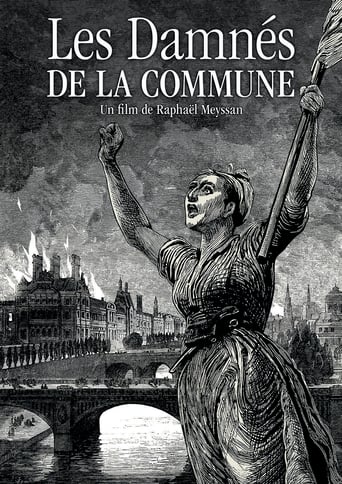
Exclusively created with period engravings, this animated feature explores the Franco-Prussian War of 1870 and the ensuing Paris Commune revolution in 1871.
A fascinating insight into the role of the intimacy co-ordinator, told through behind-the-scenes access to new queer French TV show Split.