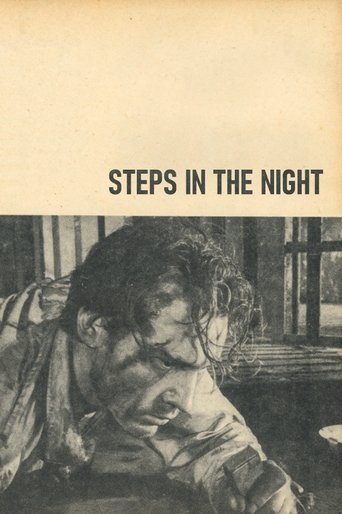
Steps in the Night 1963
In 1943, Alex, who recently returned to the city of Kaunas, tries to join the anti-Nazi resistance, but is captured and imprisoned. He soon starts planning his escape.
In 1943, Alex, who recently returned to the city of Kaunas, tries to join the anti-Nazi resistance, but is captured and imprisoned. He soon starts planning his escape.
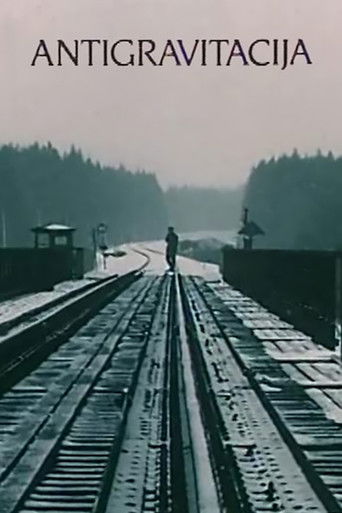
An isolated village in the Lithuanian countryside. Seated in her house, an elderly woman recites an old folk story. Then she climbs up the tall ladder that takes her to the rooftop of the church.

End of summer. Danielius (in mid 30s) makes a return to his hometown to sell his parents' flat. Having nowhere to rush, he reconnects with people and the town that's no longer his. He is confronted with a quiet sense of loneliness.
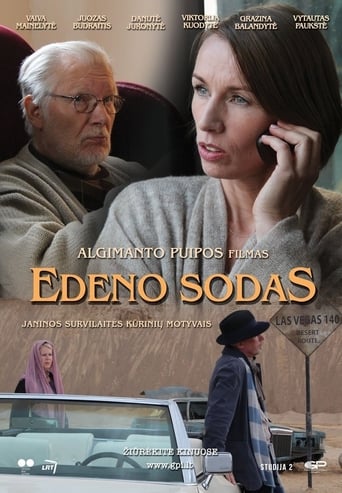
Lithuania in the near future. The land is full of rich immigrants. Rich Lithuanians that were scattered throughout the world return to Lithuania to spend their golden years in luxurious nursing homes; and the laws that govern life and death provide a feeling of security... The residents of the Garden of Eden look upon this "global theatre of life" with tearful smiles and great wisdom.

Man at the gates of eternity. Water flows form a small pitcher. The Jordan River immerses death and it immerses life. A small oil - cross on the forehead of a new - born, the scent of God, a candle lit to show the road even when the night is at its darkest. A film about the unseen miracle of Baptism and the inexplicable touch of God.
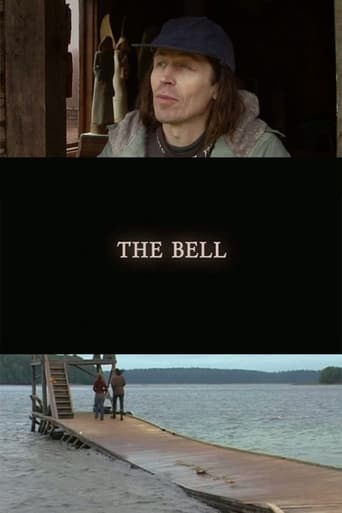
During the Swedish-Lithuanian war 300 years ago, the bell of the Plateliai church was apparently dismantled and then left to sink at the centre of the eponymous lake. Stonys followed a scientific diving expedition organised for the purpose of finding the disappeared bell and thus confirming what seems like a popular legend. Like in Countdown, the filmmaker widens his consideration of collective memory and the bringing into crisis of belief.
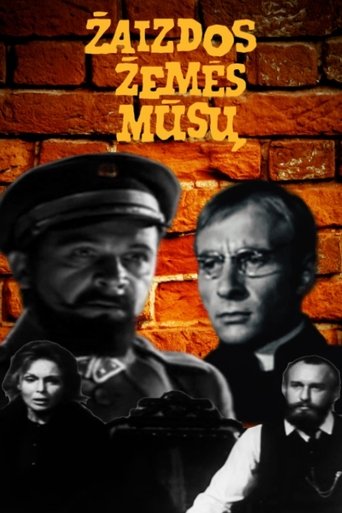
Tragic pages in the history of the formation of the independent Lithuanian state in 1918-20.
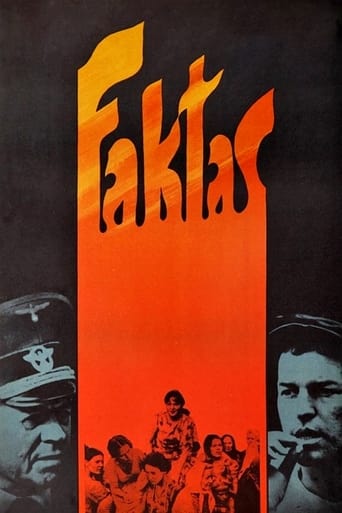
Facts is a dramatization of a massacre in a Lithuanian village during World War II when Nazis rounded up over 100 men, women, and children accused of partisan activity and then torched the houses in which they were held. Using Russian interrogations of a few survivors, the testimony of villagers, and some of the Germans responsible for the killing, the film gradually reconstructs the event and its context.
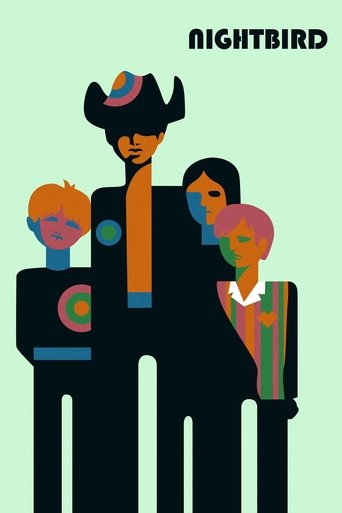
In his dreams little Tomas escapes from his every day live to experience a lot of thrilling and exciting adventures.
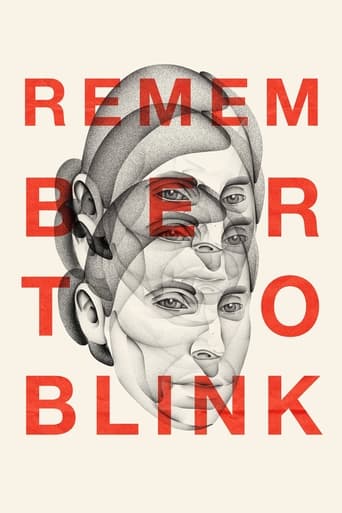
Jacqueline - a woman who is obsessed with control - adopts two children from a foreign country with her husband. To help with translation, the kids are accompanied by Gabriele, a twenty-year-old who is just starting to taste the sweetness of power.
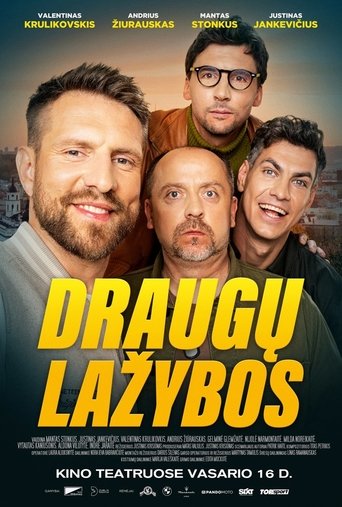
Four school friends - Karolis the successful but cuckolded businessman, Šampūnas the womanizing ad director, Tankas the tough but lovesick officer, and Princas the struggling father of three - reunite at a class reunion and, determined to change their lives, wager on increasingly outrageous dares. From streaking naked through their office, military drills, a reunion with an ex, and even a kindergarten, to spending a whole day speaking only the truth, they push each other’s limits, testing not only their courage but the strength of their friendship.
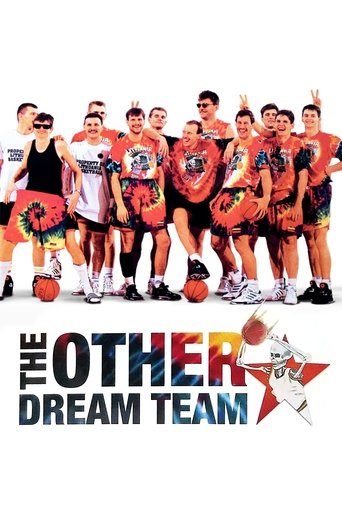
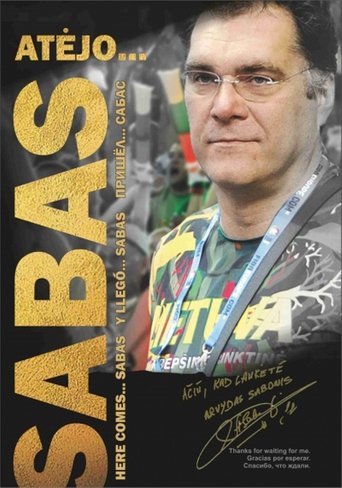
The incredible story of the 1992 Lithuanian basketball team, whose athletes struggled under Soviet rule, became symbols of Lithuania's independence movement, and – with help from the Grateful Dead – triumphed at the Barcelona Olympics.
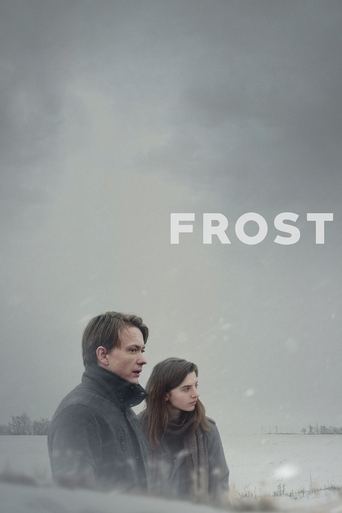
Rokas and Inga, a couple of young Lithuanians, volunteer to drive a cargo van of humanitarian aid to Ukraine. They cross the vast snowy lands of the Donbass region, drifting into the lives of those affected by the war.

Based on the novel of the same name by Raimondas Kašauskas, about a strange man who is restless, who wants to live differently from everyone else, to play life.
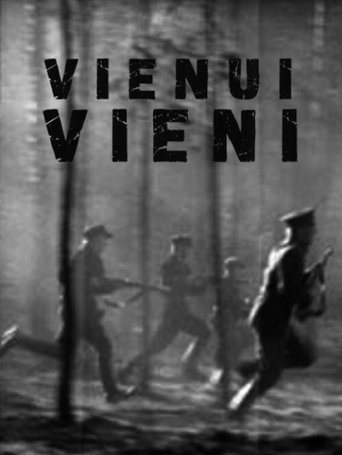
The film portrays Lukša's attempts, in trips to western Europe, to gain support for the armed anti-Soviet resistance (known as the Forest Brothers), whose fortunes in a guerrilla war against Soviet authorities were waning, largely due to widespread infiltration and harsh crackdowns by the NKVD.
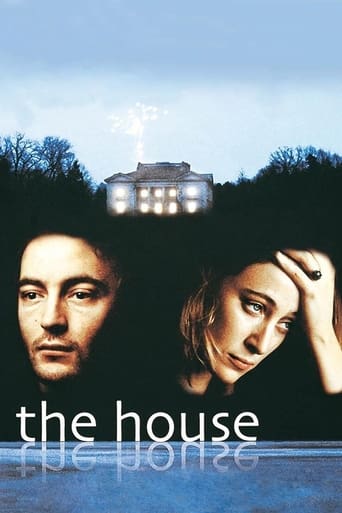
A moving world of spirits and ghosts, condemned to brush against one another without really meeting since they have all emerged from a single perpetual dream: that of a young man who no longer wants to wake up, immersed as he is in this world of fascinating spectres.
A mute guy struggles to fit in at a construction site. Tensions rise among the workers when a colleague gets badly injured.
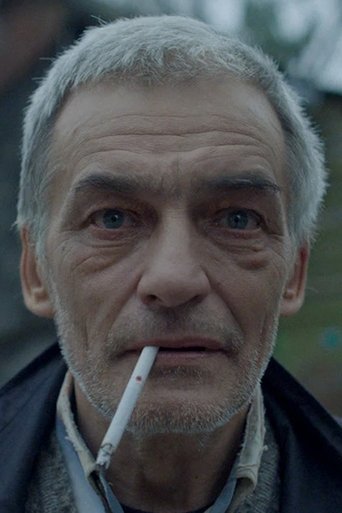
Thirty-year old guy is assaulted on the street. Randomly, in the middle of a day. The emotional damage hurts him more than the punches taken. This is a new experience for him. The guy tries to sort things out between justice, revenge and a bit of shame. Meanwhile, on the opposite side of the story there are guys that did the beating. They practice first-punch knockouts. And they helpfully carry their mothers’ food bags in the evening.
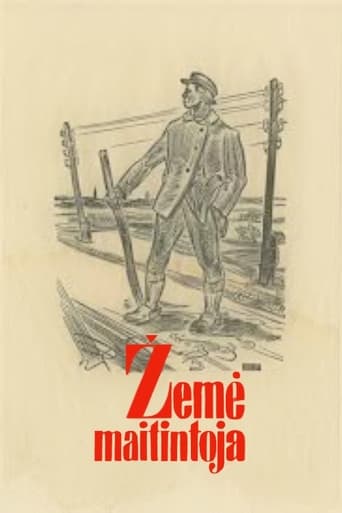
The peasant Juras Tarutis takes part in the struggle for independent Lithuania and in the election campaign for the Sejm, painfully experiencing the fascist coup in 1926. At first, he firmly believes in land reform and only after difficult trials, he become disillusioned with the reform and with the bourgeois system itself.


Young girl Silvija has been brutally murdered. Her desecrated body was found in the woods by Ulvis, the town’s deaf-mute tattoo artist. Everyone in the small town becomes suspects in this terrible crime, divided into several fierce camps accusing each other. Little by little, the viewer discovers the dark and frightening side of life in this seemingly sleepy, backwater town.




A large family reside in different Ukrainian cities. Mother and Father live in the Kiev suburbs, the oldest daughter in Mariupol, the second of the three in Vinnitsa, and the youngest in Chernigov. The son went on a work trip to Donetsk. Exactly in these cities on 24 February, they were caught by the war. All, by one way or another, find themselves in a bunker or shelter. The only means of communication is phone and video calls.
Nekenčiu reklamos is a Lithuanian comedy show, starring Rolandas Kazlas. It consists of non-sense funny commercials and Kazlas' life near television. There are 33 episodes, which were shown in 2000–2001.


We show such things that happened during those years and we go to others thinking that they will be better.

Stay there - a show of intellectual satire, started by journalist Andrius Tapinas. This release has been available since 2016. September 11 appears on the Freedom TV channel on Youtube. The show is also broadcast on Init and Balticum regional televisions. From 2019 On July 6, the program created by Laisvės TV (also "Keep There") started broadcasting on Lietuvos Rytas television.

The documentary series "Krepšinio namai" is dedicated to the occasion of the centenary of Lithuanian basketball. The first basketball match in Lithuania was played in 1922, between the national team of the temporary capital and the Lithuanian Physical Education Union. This match is considered the beginning of basketball in our country. It would probably be difficult to find a person in the country who does not admire the achievements of our basketball players, and it will never be enough to be happy about what made Lithuania famous all over the world. There is no doubt that basketball has had a huge impact on Lithuania itself, and the documentary series will also reveal the cultural, social and political significance of sporting events.